
Diabetes during pregnancy is a growing health concern that can significantly influence fetal development. Whether a woman has pre-existing diabetes or develops it during pregnancy, maintaining balanced blood sugar levels becomes essential for both maternal and fetal health.
Understanding how diabetes impacts prenatal development helps expectant mothers take the right steps toward a healthy pregnancy.
What Is Diabetes in Pregnancy?
Diabetes is a condition where the body either does not produce enough insulin or cannot use it effectively, leading to high blood sugar levels.
Types of diabetes seen in pregnancy
- Pre-existing diabetes mellitus
- Gestational diabetes that develops during pregnancy
- Undiagnosed diabetes detected during pregnancy
Each type carries its own risks, but all require careful management to support fetal development.
How Blood Sugar Affects Fetal Development
Blood sugar levels directly influence how a baby grows inside the womb.
- Glucose crosses the placenta and reaches the baby
- High maternal blood sugar leads to excess glucose in the fetus
- The baby produces more insulin in response
- This can alter normal growth and organ development
Maintaining stable blood sugar is key to supporting healthy prenatal development.
Early Pregnancy Development and Diabetes
The early stages of pregnancy are critical for organ formation.
Impact during early pregnancy
- High blood sugar can interfere with organ formation
- Increased risk of congenital abnormalities
- Higher chance of neural tube defects and heart defects
Why early control matters
- Many women may not know they are pregnant during this phase
- Blood sugar control before and during early pregnancy reduces risks
- Preconception care is highly recommended for women with diabetes
Fetal Development by Week and Diabetes Influence
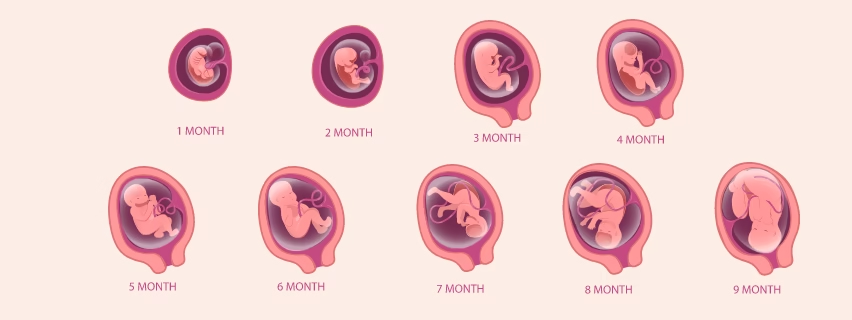
Fetal development week by week is a complex process, and diabetes can affect different stages in different ways.
First trimester
- Formation of brain, heart, and spine
- High blood sugar increases risk of structural abnormalities
- Early pregnancy development is highly sensitive to glucose levels
Second trimester
- Growth and development of organs continue
- Excess glucose may lead to rapid fetal growth
- Increased risk of macrosomia, where the baby grows larger than normal
Third trimester
- Fat accumulation and final growth phase
- High blood sugar may cause excessive weight gain in the baby
- Increased risk of preterm birth and complications during delivery
Common Effects of Diabetes on the Baby
Uncontrolled diabetes can lead to several complications affecting fetal development.
Physical and developmental effects
- Macrosomia leading to difficult delivery
- Premature birth
- Respiratory distress after birth
- Low blood sugar levels in the newborn
- Increased risk of obesity and diabetes later in life
Long-term concerns
- Metabolic disorders
- Developmental delays in some cases
- Increased susceptibility to chronic diseases
Health Concerns During Pregnancy with Diabetes
Managing diabetes during pregnancy is essential to avoid complications.
Maternal health concerns
- High blood pressure
- Increased risk of infections
- Excess amniotic fluid
- Higher likelihood of cesarean delivery
Fetal health concerns
- Growth abnormalities
- Birth injuries due to larger size
- Stillbirth in severe uncontrolled cases
Causes of Diabetes and Risk Factors
Understanding the causes of diabetes helps in better prevention and management.
Common causes and contributing factors
- Genetic predisposition
- Obesity or overweight
- Sedentary lifestyle
- Hormonal changes during pregnancy
- Family history of diabetes
Who is at higher risk
- Women with previous gestational diabetes
- Women with polycystic ovary syndrome
- Women above a certain age
- Those with a history of large babies
Symptoms of Pregnancy with Diabetes
Some women may not notice symptoms, especially in gestational diabetes. However, certain signs may indicate high blood sugar levels.
Possible symptoms
- Excessive thirst
- Frequent urination
- Fatigue
- Blurred vision
- Recurrent infections
Regular screening during pregnancy is important for early detection.
Managing Diabetes for a Healthy Pregnancy
Proper management can significantly reduce risks and support healthy fetal development.
Medical care
- Regular monitoring of blood sugar levels
- Insulin therapy if prescribed
- Routine prenatal check-ups
Diet and nutrition
- Balanced meals with controlled carbohydrate intake
- Inclusion of fiber-rich foods
- Avoiding sugary and processed foods
Physical activity
- Light to moderate exercise as advised by a doctor
- Helps regulate blood sugar levels
- Improves overall pregnancy health
Pregnancy Tips for Women with Diabetes
Simple lifestyle adjustments can make a big difference.
Daily habits to follow
- Eat meals at regular intervals
- Monitor blood sugar consistently
- Stay hydrated
- Get adequate rest
Prenatal care tips
- Attend all medical appointments
- Follow dietary guidelines strictly
- Discuss any unusual symptoms with a healthcare provider
Importance of Monitoring Fetal Growth
Regular monitoring ensures that the baby is developing properly.
Methods used
- Ultrasound scans to track growth
- Non-stress tests to monitor fetal well-being
- Blood tests and other screenings
Benefits of monitoring
- Early detection of complications
- Timely medical intervention
- Better planning for delivery
Can Diabetes Affect Labor and Delivery?
Yes, diabetes can influence how labor progresses.
Possible complications
- Larger baby size leading to difficult vaginal delivery
- Increased need for induced labor
- Higher chances of cesarean section
After birth
- Babies may experience low blood sugar
- Monitoring in neonatal care may be required
- Most babies recover well with proper care
Supporting a Healthy Pregnancy
A healthy pregnancy is possible even with diabetes when managed properly.
Key focus areas
- Blood sugar control
- Balanced nutrition
- Regular exercise
- Emotional well-being
Role of healthcare providers
- Continuous monitoring and guidance
- Personalized care plans
- Support for both mother and baby
Key Takeaways
- Diabetes can significantly affect fetal development if not controlled
- Early pregnancy is the most critical stage for organ formation
- Proper blood sugar management reduces risks
- Regular prenatal care ensures better outcomes
A healthy lifestyle supports both maternal and fetal health