Categories
PCOS

Early Signs of PCOS Most People Ignore (Don’t Miss These Warning Signs)

Polycystic Ovary Syndrome (PCOS) is one of the most common hormonal disorders affecting women today — yet many cases go undiagnosed for years.

Why?

Because the early signs of PCOS are often subtle, confusing, and easy to ignore.

Many women assume these symptoms are just “normal” — part of stress, lifestyle, or puberty. But ignoring them can lead to serious long-term health complications.

In this guide, we’ll uncover the early signs of PCOS most people ignore, so you can take control of your health before it worsens.

What is PCOS?

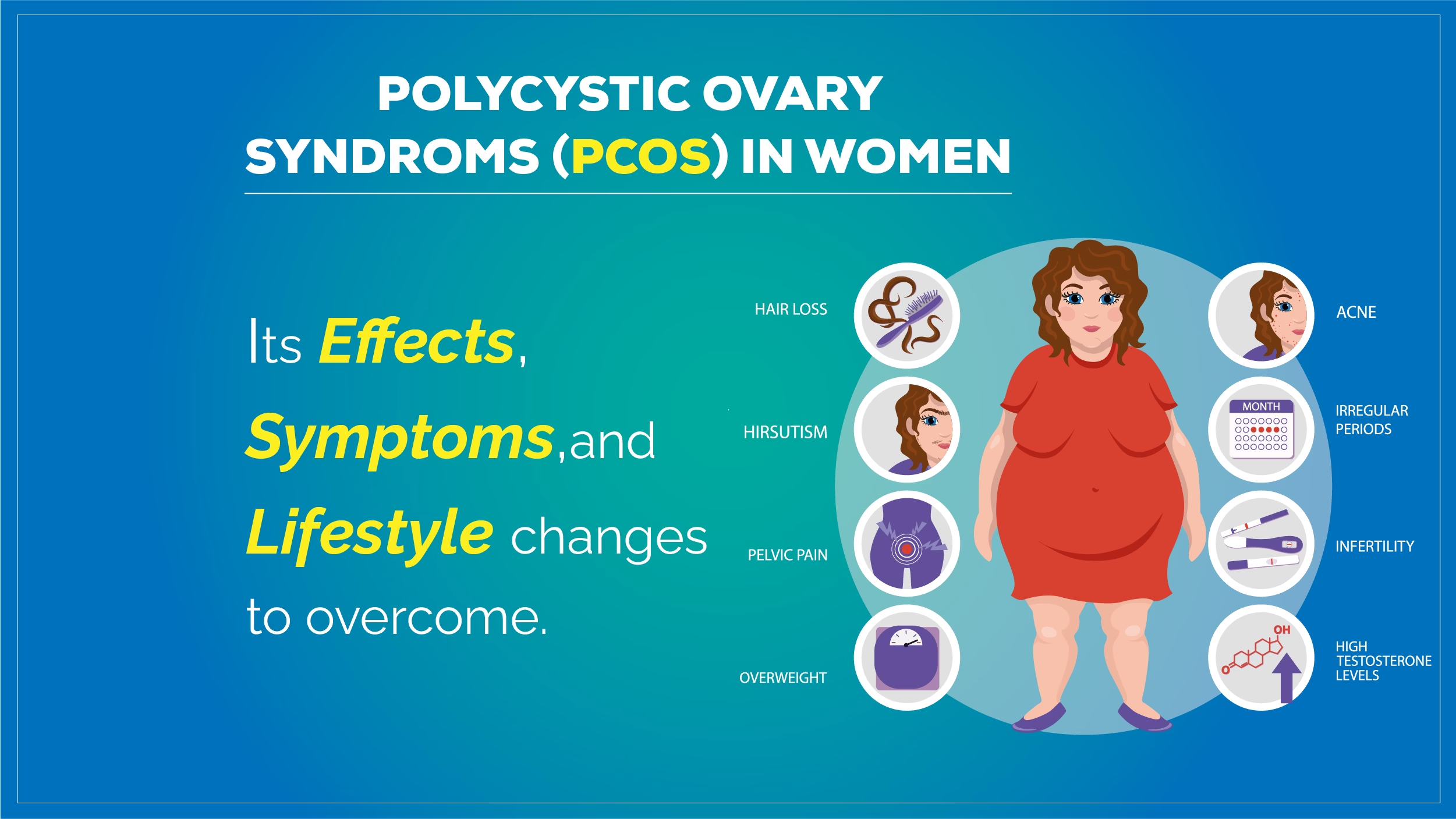
PCOS (Polycystic Ovary Syndrome) is a hormonal imbalance that affects how the ovaries function. It often involves:

  • Irregular ovulation
  • Excess androgen (male hormones)
  • Insulin resistance

If you want a complete understanding, check our detailed guide:
👉 Polycystic Ovary Syndrome (PCOS): Symptoms, Causes, and Treatment Options

Why Early Signs of PCOS Are Often Ignored

The biggest problem with PCOS is not just the condition — it’s the delay in diagnosis.

Here’s why:

  • Symptoms overlap with normal life changes
  • Lack of awareness
  • Mild symptoms at the beginning
  • Social stigma around menstrual health

10 Early Signs of PCOS Most People Ignore

  1. Slightly Irregular Periods

Many women think occasional irregular periods are normal.

But early PCOS signs include:

  • Cycles longer than 35 days
  • Missed periods occasionally
  • Unpredictable timing

👉 Even mild irregularity matters.

  1. Persistent Acne (Especially Hormonal Acne)

Not all acne is PCOS — but this type is a clue:

  • Appears on jawline and chin
  • Painful cystic acne
  • Doesn’t respond to skincare
  1. Mild Excess Hair Growth

At early stages, it may be subtle:

  • Few thick hairs on chin
  • Upper lip hair
  • Hair on lower abdomen

👉 This is called hirsutism and often ignored initially. Teenage girls also experience this excess hair growth on face, chin, upper lip and abdomen.

  1. Unexplained Weight Gain

Even without lifestyle changes:

  • Gradual weight gain
  • Fat accumulation around belly
  • Difficulty losing weight

This is linked to insulin resistance — a key PCOS factor.

  1. Constant Fatigue

Feeling tired all the time?

Early PCOS can cause:

  1. Hair Thinning or Hair Fall

While hair grows in unwanted areas, scalp hair may:

  • Thin gradually
  • Fall excessively
  • Lose volume
  1. Mood Swings & Anxiety

Hormonal imbalance affects mental health:

  • Sudden mood changes
  • Anxiety
  • Irritability
  1. Dark Patches on Skin

Known as acanthosis nigricans:

  • Dark neck
  • Underarms
  • Inner thighs

👉 Strong indicator of insulin resistance.

  1. Sugar Cravings & Increased Hunger

PCOS affects blood sugar levels:

  • Frequent cravings
  • Feeling hungry quickly
  • Energy crashes
  1. Difficulty Getting Pregnant (Later Stage)

Often the first sign for many women:

  • Irregular ovulation
  • Trouble conceiving

When Should You Be Concerned?

You should consider medical advice if:

  • You have 2 or more symptoms
  • Periods are consistently irregular
  • Symptoms are getting worse

👉 Early diagnosis = better management

Why You Should Not Ignore Early Signs

Ignoring PCOS can lead to:

What You Can Do Early

  1. Improve Your Diet

  • Low sugar intake
  • High fiber foods
  • Balanced meals
  1. Stay Active

  • 30 minutes daily movement
  • Walking, yoga, or workouts
  1. Manage Stress

  • Meditation
  • Sleep hygiene
  1. Seek Medical Guidance

  • Blood tests
  • Hormonal evaluation

Final Thoughts

The early signs of PCOS most people ignore are often your body’s way of asking for help.

Don’t wait for symptoms to become severe.

Listen to your body, take action early, and you can manage PCOS effectively.

FAQs

What are the earliest signs of PCOS?

Irregular periods, acne, mild hair growth, and fatigue are often the first signs.

Can PCOS start with mild symptoms?

Yes, PCOS often begins with subtle symptoms that gradually worsen over time.

Is acne always a sign of PCOS?

No, but persistent hormonal acne can be an early indicator.

Can PCOS be reversed if detected early?

It cannot be completely cured, but symptoms can be managed effectively.

Is weight gain necessary for PCOS diagnosis?

No, even lean women can have PCOS.

When should I see a doctor for PCOS symptoms?

If you notice multiple symptoms or irregular periods, consult a doctor early.

Categories
PCOS

PCOS Symptoms in Teenage Girls: Early Warning Signs Every Parent & Teen Should Know

Polycystic Ovary Syndrome (PCOS) is no longer considered a condition affecting only adult women. Today, many teenage girls experience early signs of hormonal imbalance that often go unnoticed or are mistaken for “normal puberty changes.”

Understanding PCOS symptoms in teenage girls early can make a huge difference in long-term health, fertility, and overall well-being.

What is PCOS?

PCOS (Polycystic Ovary Syndrome) is a hormonal disorder that affects how the ovaries function. It leads to an imbalance in reproductive hormones, especially excess androgens (male hormones).

If you want a complete breakdown, you can read our detailed guide on
👉 Polycystic Ovary Syndrome (PCOS): Symptoms, Causes, and Treatment Options

Why PCOS is Hard to Detect in Teenagers

Teenage years are full of hormonal fluctuations. Because of this, many PCOS symptoms overlap with normal puberty changes, such as:

  • Irregular periods
  • Acne
  • Mood swings

This makes early diagnosis tricky, but not impossible.

Common PCOS Symptoms in Teenage Girls

  1. Irregular or Missed Periods

One of the earliest and most common signs is irregular menstruation.

  • Periods that come every 2–3 months
  • Very heavy or very light bleeding
  • No periods at all (amenorrhea)

While irregular cycles are normal in the first 1–2 years after menarche, persistent irregularity may signal PCOS.

  1. Excess Hair Growth (Hirsutism)

Teen girls with PCOS may notice unusual hair growth on:

  • Face (upper lip, chin)
  • Chest
  • Back or abdomen
  1. Severe Acne

Hormonal acne in PCOS is:

  • Persistent
  • Often cystic
  • Usually appears on jawline, chin, or cheeks

If acne doesn’t respond to regular treatments, it may be hormonal.

  1. Sudden Weight Gain or Difficulty Losing Weight

Many teens with PCOS experience:

  • Rapid weight gain
  • Fat accumulation around the abdomen
  • Difficulty losing weight despite diet and exercise

This is often linked to insulin resistance.

  1. Hair Thinning or Hair Loss

Ironically, while excess hair grows in unwanted areas, scalp hair may thin.

  • Hair fall from crown area
  • Widening part line
  1. Dark Skin Patches (Acanthosis Nigricans)

Dark, velvety patches may appear on:

  • Neck
  • Underarms
  • Inner thighs

This is a sign of insulin resistance.

  1. Mood Changes & Mental Health Issues

Teen girls with PCOS may struggle with:

  • Anxiety
  • Depression
  • Low self-esteem

Hormonal imbalance + physical symptoms often affect confidence deeply.

  1. Fatigue & Low Energy Levels

Constant tiredness is another overlooked symptom. Check this guide to know more on how to manage PCOS related fatigue, brain fog & energy dips during work.

Causes of PCOS in Teenage Girls

While the exact cause isn’t fully understood, these factors play a role:

  • Genetics (family history)
  • Insulin resistance
  • Hormonal imbalance (high androgens)
  • Lifestyle factors (diet, inactivity)

When Should a Teen See a Doctor?

Seek medical advice if:

  • Periods are absent for more than 3 months
  • Severe acne persists
  • Excess hair growth appears
  • Rapid weight gain occurs

Early diagnosis can prevent complications like infertility and metabolic disorders.

How PCOS Affects Long-Term Health

If left untreated, PCOS may lead to:

  • Type 2 diabetes
  • Infertility
  • Heart disease
  • Endometrial issues

That’s why early awareness is crucial.

How to Manage PCOS Symptoms in Teenagers

  1. Healthy Diet

Focus on:

  • Low glycemic index foods
  • High fiber intake
  • Lean protein
  1. Regular Exercise

Even 30 minutes daily can:

  • Improve insulin sensitivity
  • Regulate hormones
  1. Stress Management

Encourage:

  • Yoga
  • Meditation
  • Proper sleep
  1. Medical Treatment

Doctors may recommend:

  • Hormonal therapy
  • Birth control pills
  • Insulin-sensitizing medications

Final Thoughts

PCOS symptoms in teenage girls are often subtle but impactful. Recognizing these signs early can help prevent long-term complications and improve quality of life.

Parents, caregivers, and teens must stay informed and proactive. With the right lifestyle changes and medical guidance, PCOS can be effectively managed.

FAQs

What are the first signs of PCOS in a teenage girl?

Irregular periods, acne, and excess facial hair are usually the earliest signs.

Is it normal for teenage girls to have irregular periods?

Yes, but if irregularity continues beyond 2 years after starting periods, it may indicate PCOS.

Can PCOS go away in teenage years?

PCOS does not completely go away, but symptoms can be managed effectively with lifestyle changes and treatment.

How is PCOS diagnosed in teenagers?

Doctors evaluate symptoms, medical history, blood tests, and sometimes ultrasound (though not always required for teens).

Can a slim teenage girl have PCOS?

Yes, PCOS can affect girls of any body type, not just those who are overweight.

Does PCOS affect fertility later in life?

It can, but early management significantly improves fertility outcomes.

Categories
Health

Understanding Period Problems: What Every Woman Should Know About the Menstrual Cycle

There’s one thing every woman experiences yet rarely talks about openly — her menstrual cycle.
It’s a rhythm that defines a woman’s body, signaling health, fertility, and balance. But when something goes wrong, the effects ripple through every aspect of life — from energy and mood to work, sleep, and even relationships.

While society is becoming more open about women’s health, period problems still remain one of the least discussed yet most common health concerns.

So today, let’s break the silence — and dive deep into understanding the menstrual cycle, what’s normal, what’s not, and how you can manage period problems naturally and effectively.

What Is the Menstrual Cycle?

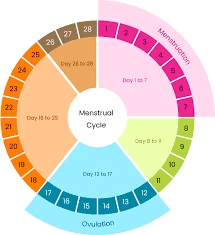
The menstrual cycle is your body’s monthly hormonal rhythm that prepares for pregnancy.
It’s a finely tuned system controlled by a series of hormones — estrogen, progesterone, follicle-stimulating hormone (FSH), and luteinizing hormone (LH).

A typical female menstrual cycle lasts between 21 to 35 days, but every woman’s cycle is different — and that’s completely normal.

Here’s how it works:

  1. Menstrual Phase (Day 1–5): The uterus sheds its lining — this is your period.
  2. Follicular Phase (Day 1–13): The body prepares an egg for release.
  3. Ovulation (Day 14): The egg is released from the ovary.
  4. Luteal Phase (Day 15–28): Hormones prepare the uterus for possible pregnancy.

If pregnancy doesn’t occur, hormone levels drop, triggering the next monthly period cycle.

This cycle is a powerful indicator of your overall health — which is why irregularities can signal something deeper happening in your body.

Common Period Problems Women Face

Every woman’s period story is unique. Some flow smoothly each month, while others experience discomfort, pain, or unpredictability. Let’s look at the most common period problems and what they might mean.

  1. Irregular Periods

When your women’s menstrual cycle doesn’t follow a consistent pattern — coming early, late, or skipping months — it’s considered irregular.
Causes include:

👉 If your cycle often fluctuates beyond 35 days, it’s worth consulting your gynecologist.

  1. Painful Periods (Dysmenorrhea)

Cramps are common, but if you’re curled up in pain every month, it’s not normal.
Severe menstrual pain can be caused by:

  • Endometriosis
  • Fibroids
  • Pelvic inflammatory disease (PID)
  • Hormonal imbalance

Heat therapy, magnesium-rich foods, and gentle exercise like yoga can help relieve symptoms naturally.

  1. Heavy Menstrual Bleeding (Menorrhagia)

If your period lasts longer than 7 days or you need to change pads every hour, you may have heavy bleeding.
Common causes:

  • Uterine fibroids
  • Hormone fluctuations
  • Blood clotting disorders
  • Intrauterine devices (IUDs)

Don’t ignore it — untreated heavy bleeding can cause anemia and fatigue.

  1. Light or Missed Periods

Sometimes periods become very light or go missing altogether (amenorrhea).
Reasons can include:

  • Rapid weight loss
  • Excessive exercise
  • Pregnancy
  • PCOS or thyroid issues

Your women period cycle is sensitive to lifestyle and hormone changes — small adjustments in nutrition and stress management can often help.

  1. PMS and PMDD

Mood swings, bloating, headaches, and irritability before your period? That’s PMS (Premenstrual Syndrome) — something 75% of women experience.

For some, though, it becomes more intense — leading to PMDD (Premenstrual Dysphoric Disorder), a severe mood-related form of PMS.

Balancing hormones through diet, sleep, and supplements like magnesium or vitamin B6 can ease these symptoms significantly.

  1. Spotting Between Periods

Spotting mid-cycle can happen during ovulation or due to hormonal birth control. But frequent spotting might point to conditions like:

  • Fibroids
  • Polycystic ovaries
  • Infections

Tracking your women menstruation pattern helps your doctor identify the cause quickly.

How Lifestyle Affects the Female Menstrual Cycle

Your hormones respond to everything — from what you eat to how you sleep. Here’s how your daily habits can shape your monthly period cycle:

Diet

A diet rich in whole foods, leafy greens, omega-3 fats, and iron supports hormonal balance.
Avoid processed foods and excess caffeine, which can worsen cramps and PMS.

Stress

Chronic stress raises cortisol levels, which interfere with estrogen and progesterone — leading to irregular cycles.
Try breathing exercises, journaling, or meditation to keep your hormones steady.

Sleep

Poor sleep disrupts melatonin, which in turn affects reproductive hormones.
Aim for 7–8 hours of restful sleep to regulate your menstrual rhythm.

Exercise

Moderate exercise like walking, cycling, or yoga helps balance insulin and estrogen levels.
Over-exercising, though, can stop your period altogether — a condition known as athletic amenorrhea.

Natural Remedies for Period Problems

Modern medicine is effective, but natural remedies can complement treatment beautifully.

Here are a few evidence-backed options for menstrual support:

  • Ginger: Reduces cramps and inflammation.
  • Cinnamon: Balances insulin and improves menstrual flow.
  • Turmeric: Contains curcumin, a natural hormone balancer.
  • Evening Primrose Oil: Helps with PMS and breast tenderness.
  • Chamomile Tea: Relaxes muscles and improves sleep.

Always consult your doctor before starting supplements — especially if you’re on medication.

Diagnosis and Tests for Menstrual Issues

When period problems persist, doctors may suggest:

  • Pelvic ultrasound – to check for fibroids or cysts.
  • Hormone blood tests – to assess estrogen, progesterone, thyroid, and insulin levels.
  • Pap smear – to rule out infections or cervical abnormalities.
  • Endometrial biopsy – if there’s unexplained heavy bleeding.

Early diagnosis helps prevent long-term complications like infertility, anemia, or endometrial disorders.

Treatment Options

Treatment depends on the cause of your endocrine or menstrual disorder, and may include:

  • Hormonal therapy: Birth control pills or progesterone to regulate cycles.
  • Non-steroidal anti-inflammatory drugs (NSAIDs): For cramps.
  • Iron supplements: For heavy bleeding-related anemia.
  • Surgery: For fibroids or endometriosis in severe cases.

Alongside medical care, adopting a holistic lifestyle makes recovery smoother and long-lasting.

How to Maintain a Healthy Menstrual Cycle

Keeping your hormones balanced isn’t about perfection — it’s about consistency.
Here are some small yet powerful ways to support your female menstrual cycle naturally:

  1. Eat a balanced diet rich in healthy fats and fiber.
  2. Stay hydrated — dehydration worsens cramps.
  3. Track your period with an app.
  4. Get regular check-ups.
  5. Prioritize mental health — your mood and hormones are connected.
  6. Limit caffeine and alcohol.

When you care for your body gently, your body rewards you with balance and vitality.

When to See a Doctor

You should seek medical help if:

  • Your periods suddenly stop for 3+ months (and you’re not pregnant).
  • You bleed excessively or between periods.
  • Your pain interferes with daily activities.
  • You notice unusual discharge or odor.

Remember: Your menstrual cycle is a mirror of your internal health. Don’t ignore what it’s trying to tell you.

The Bottom Line

Periods are more than just a monthly inconvenience — they’re a vital sign of your health.
Understanding your women’s menstrual cycle helps you recognize what’s normal and what’s not.

If you’re facing irregular periods, pain, or mood swings, know this — you’re not alone, and help is available.
Through the right balance of lifestyle, nutrition, and medical care, you can manage period problems effectively and reclaim your comfort, confidence, and well-being.

Your body deserves your attention — every month, every cycle. ❤️

Categories
Health

Hormonal Imbalances: Causes, Symptoms, Treatment, Risk Factors, Prevention & Diagnosis

When your body feels “off” — maybe you’re tired all the time, your weight fluctuates for no reason, or your mood swings seem out of control — it could be more than just stress or lack of sleep.
It could be a hormonal imbalance, a subtle yet powerful disruption in your body’s internal messaging system: the endocrine system.

Your endocrine system acts like the CEO of your body — managing metabolism, reproduction, mood, energy, and growth. When something goes wrong here, it can lead to a wide range of health issues collectively known as endocrine diseases.

Let’s break down what hormonal imbalances really are, how to spot them early, and what you can do to regain your body’s natural balance.

Understanding Hormonal Imbalances

Hormones are chemical messengers produced by glands in the endocrine system — including the thyroid, pancreas, ovaries, testes, pituitary, and adrenal glands.
These messengers regulate almost every biological process: from how fast your heart beats to how you handle stress, digest food, and even how you sleep.

A hormonal imbalance occurs when your body produces too much or too little of a certain hormone. Even minor fluctuations can create ripple effects, leading to endocrine diseases such as diabetes mellitus, thyroid disorders, PCOS, or adrenal fatigue.

Causes of Hormonal Imbalances

Hormonal disruptions can happen for many reasons — some temporary and lifestyle-related, others chronic and disease-driven.
Here are the most common causes:

  1. Stress and Fatigue

Chronic stress raises cortisol, your body’s primary stress hormone.
Over time, excess cortisol can disturb other hormones, leading to feeling tired and sleepy all the time, weight gain, or even irregular periods in women.

  1. Poor Diet and Nutrient Deficiencies

A diet lacking in essential vitamins, minerals, and healthy fats can directly affect hormone production.
Too much processed food or sugar can spike insulin levels, leading to diabetes or metabolic syndrome.

  1. Sleep Deprivation

Your body regulates hormones like melatonin and growth hormone during deep sleep.
Lack of rest disrupts these cycles, leading to fatigue, stress, and impaired metabolism.

  1. Endocrine Gland Disorders

Diseases affecting hormone-producing glands can cause chronic imbalances:

  • Thyroid disorders (hypo/hyperthyroidism)
  • Adrenal gland disorders (Addison’s or Cushing’s disease)
  • Pituitary gland dysfunction
  • Pancreatic disorders, like diabetes mellitus
  1. Puberty, Pregnancy, or Menopause

Natural life stages often trigger hormonal changes.
While normal, these transitions can lead to temporary mood swings, fatigue, or irregular menstrual cycles.

  1. Medications and Birth Control

Certain medications — especially steroids, antidepressants, or hormonal contraceptives — can alter the natural hormonal rhythm.

  1. Environmental Toxins

Endocrine-disrupting chemicals (EDCs) in plastics, cosmetics, and pesticides can mimic or block hormone action, contributing to endocrine system imbalances.

Common Symptoms of Hormonal Imbalances

Hormonal issues can look very different from person to person.
Below are some general symptoms you shouldn’t ignore:

General Symptoms:

  • Persistent fatigue or low energy
  • Feeling tired and sleepy even after full rest
  • Unexplained weight gain or loss
  • Changes in appetite or digestion
  • Mood swings, anxiety, or depression
  • Difficulty concentrating (“brain fog”)
  • Hair loss or thinning
  • Sleep disturbances

Women-Specific Symptoms:

  • Irregular periods or missed cycles
  • Severe PMS or painful periods
  • Acne or oily skin
  • Hirsutism (excess hair growth on face/body)
  • Hot flashes and night sweats (menopause-related)
  • Fertility issues

Men-Specific Symptoms:

  • Low libido or erectile dysfunction
  • Decreased muscle mass
  • Fatigue and irritability
  • Hair thinning or baldness

Major Endocrine Diseases Linked to Hormonal Imbalance

Hormonal disorders are often part of larger endocrine diseases. Let’s look at some of the most common ones:

  1. Diabetes Mellitus

One of the most well-known endocrine diseases, diabetes mellitus occurs when your pancreas doesn’t produce enough insulin or your body becomes resistant to it.
High blood sugar levels over time can damage blood vessels, nerves, and organs.

Symptoms:

  • Excessive thirst and urination
  • Constant hunger
  • Fatigue
  • Blurred vision
  • Slow-healing wounds

Treatment:
Lifestyle changes, oral medications, or insulin therapy.

  1. Thyroid Disorders

The thyroid gland controls metabolism, and its dysfunction leads to either:

  • Hypothyroidism (underactive thyroid) — causes fatigue, weight gain, dry skin.
  • Hyperthyroidism (overactive thyroid) — causes weight loss, anxiety, and palpitations.
  1. Polycystic Ovary Syndrome (PCOS)

PCOS is an endocrine condition causing irregular periods, high androgen levels, and multiple ovarian cysts. It’s also linked with insulin resistance and infertility.

  1. Adrenal Fatigue

Chronic stress can overwork your adrenal glands, lowering cortisol production and causing constant fatigue and poor stress response.

  1. Pituitary Gland Disorders

Since the pituitary controls several other glands, even a small dysfunction can lead to growth issues, infertility, or metabolic irregularities.

Treatment for Hormonal Imbalances

Treating hormonal imbalance depends on identifying which hormone is disrupted. A doctor, typically an endocrinologist, will run blood or urine tests to measure hormone levels before deciding on treatment.

Here are the main approaches:

  1. Lifestyle Modifications
  • Eat a balanced, whole-food diet rich in fiber, lean protein, and healthy fats.
  • Exercise regularly to balance insulin and cortisol levels.
  • Sleep 7–8 hours nightly to restore melatonin and growth hormones.
  • Reduce caffeine, alcohol, and sugar.
  1. Hormone Replacement Therapy (HRT)

Used in cases of menopause, thyroid disorders, or testosterone deficiency, HRT restores hormone levels using synthetic or bioidentical hormones.

  1. Medications

Depending on the condition:

  • Insulin for diabetes
  • Thyroid hormone for hypothyroidism
  • Anti-androgen drugs for PCOS
  • Corticosteroids for adrenal insufficiency
  1. Natural Supplements

Herbs like ashwagandha, maca root, and vitex may help balance hormones naturally, but they should only be taken under medical guidance.

  1. Stress Management

Yoga, meditation, or deep-breathing exercises can lower cortisol and improve overall endocrine health.

Diagnosis and Tests

To pinpoint hormonal imbalances, doctors may recommend:

  • Blood tests: Measure levels of thyroid hormones, estrogen, testosterone, cortisol, and insulin.
  • Urine or saliva tests: For adrenal or reproductive hormones.
  • Ultrasound: To check for ovarian cysts or thyroid nodules.
  • MRI/CT scans: For pituitary or adrenal gland abnormalities.

Risk Factors

You’re more likely to develop hormonal imbalances or endocrine diseases if you have:

  • Family history of hormonal disorders
  • Chronic stress
  • Unhealthy diet and obesity
  • Lack of sleep
  • Sedentary lifestyle
  • Exposure to environmental toxins
  • Underlying conditions like diabetes or thyroid disease

Prevention Tips for a Healthy Endocrine System

While not all hormonal disorders can be prevented, you can significantly lower your risk with simple lifestyle habits:

  1. Eat smart: Focus on whole foods — vegetables, fruits, lean proteins, and omega-3 fats.
  2. Manage stress: Regular relaxation techniques support cortisol balance.
  3. Stay active: Physical activity improves insulin sensitivity and blood flow.
  4. Sleep well: Prioritize consistent 7–8 hours of rest.
  5. Avoid toxins: Minimize use of plastics and harsh chemical cosmetics.
  6. Get regular check-ups: Especially if you have diabetes or family history of endocrine disease.

Final Thoughts

Hormones are your body’s invisible orchestrators — when they’re in tune, everything feels balanced. But when they fall out of sync, every system suffers — from your metabolism and mood to your fertility and focus.

If you’ve been feeling tired and sleepy, facing irregular periods, or struggling with unexplained fatigue, don’t brush it off as just stress. These could be early signs of an endocrine disease.

With the right diagnosis, treatment, and lifestyle choices, your hormones can be brought back into harmony — helping you regain your energy, mood, and vitality naturally.

Exit mobile version