Categories
PCOS

Anti-Inflammatory Diet for PCOS: Meal Ideas That Actually Help

If you have PCOS, inflammation is working against you every single day.

You may not feel it directly. But chronic low-grade inflammation is one of the core drivers behind many PCOS symptoms — weight gain, acne, fatigue, hormonal imbalance, and difficulty losing weight. It quietly makes everything harder to manage.

The good news is that food is one of the most powerful tools you have to fight back.

An anti-inflammatory diet for PCOS does not require extreme restriction or expensive superfoods. It is about consistently choosing foods that calm inflammation rather than fuel it — and building meals around ingredients that support your hormones at the same time.

This guide covers exactly what that looks like, with practical meal ideas you can start using today.

Why Inflammation Makes PCOS Worse

PCOS is not just a reproductive condition. It affects your metabolism, immune system, and hormonal balance all at once.

Research consistently shows that women with PCOS have higher levels of inflammatory markers in their blood compared to women without the condition. This chronic inflammation worsens insulin resistance, increases androgen production, and disrupts the hormonal signals that regulate ovulation.

In other words, inflammation and PCOS feed each other in a frustrating cycle:

  • High inflammation worsens insulin resistance
  • Poor insulin sensitivity increases androgen levels
  • Elevated androgens worsen PCOS symptoms
  • Many PCOS symptoms — like excess weight and blood sugar swings — further increase inflammation

Breaking that cycle starts with what you eat. Foods that spike blood sugar, contain trans fats, or trigger an immune response add fuel to the fire. Foods rich in antioxidants, omega-3 fatty acids, and fiber do the opposite — they actively reduce inflammation and create a better hormonal environment.

For a complete overview of how PCOS affects your body and what drives it, read our full PCOS symptoms, causes, and treatment guide.

The Core Principles of an Anti-Inflammatory Diet for PCOS

Before getting into specific meal ideas, it helps to understand the framework behind every meal recommendation here.

An anti-inflammatory eating approach for PCOS is built on four principles:

  1. Stabilize blood sugar — every meal includes protein, fiber, and slow-digesting carbohydrates to prevent insulin spikes
  2. Reduce inflammatory triggers — limit refined sugars, processed foods, trans fats, and excess alcohol
  3. Increase antioxidant intake — eat a wide variety of colorful vegetables and fruits to flood the body with inflammation-fighting compounds
  4. Support gut health — a healthy gut microbiome regulates immune response and plays a direct role in hormone metabolism

You do not need to follow a rigid diet plan to apply these principles. You just need to make them the foundation of how you build your meals.

Top Anti-Inflammatory Foods for PCOS

Fatty fish

Salmon, sardines, mackerel, and tuna are rich in omega-3 fatty acids. Omega-3s directly reduce inflammatory markers and support hormone production. Aim for two to three servings per week.

Leafy green vegetables

Spinach, kale, Swiss chard, and rocket are packed with antioxidants, magnesium, and folate. Magnesium is particularly important for PCOS — many women with the condition are deficient, and low magnesium worsens insulin resistance.

Berries

Blueberries, strawberries, raspberries, and blackberries are among the highest antioxidant foods available. They are low in sugar compared to most fruits, which helps keep blood sugar stable while delivering a powerful anti-inflammatory punch.

Extra virgin olive oil

Olive oil contains oleocanthal — a compound with anti-inflammatory properties similar to ibuprofen. Use it as your primary cooking oil and salad dressing base.

Nuts and seeds

Walnuts, almonds, chia seeds, and flaxseeds provide healthy fats, fiber, and anti-inflammatory compounds. Flaxseeds specifically contain lignans that may help reduce excess androgen activity in PCOS.

Turmeric

Curcumin — the active compound in turmeric — is one of the most well-researched natural anti-inflammatory agents. Add it to soups, curries, smoothies, and roasted vegetables regularly.

Ginger

Like turmeric, ginger has measurable anti-inflammatory and antioxidant effects. It also supports digestion and may help reduce period pain — a common concern for women with PCOS.

Legumes

Lentils, chickpeas, black beans, and kidney beans are high in fiber and plant protein. They digest slowly, preventing blood sugar spikes, and feed the beneficial gut bacteria that regulate immune response.

Cruciferous vegetables

Broccoli, cauliflower, Brussels sprouts, and cabbage contain compounds called glucosinolates that support liver detoxification — important for clearing excess hormones from the body.

Green tea

Green tea contains EGCG — a powerful antioxidant that research suggests may reduce androgen levels and improve insulin sensitivity in women with PCOS. Two cups daily is a practical target.

Anti-Inflammatory Breakfast Ideas for PCOS

Berry and spinach smoothie bowl

Blend frozen mixed berries, a large handful of spinach, half a banana, and unsweetened almond milk. Pour into a bowl and top with chia seeds, walnuts, and a few fresh blueberries.

Why it works: berries and spinach deliver antioxidants, chia seeds add omega-3s and fiber, and the protein from nuts stabilizes blood sugar from the start of the day.

Turmeric scrambled eggs

Scramble two to three eggs with a pinch of turmeric, black pepper, and fresh spinach. Serve on whole grain toast with sliced avocado.

Why it works: eggs provide protein and choline, turmeric reduces inflammation, avocado adds healthy monounsaturated fat, and whole grain toast keeps the carbohydrates slow-digesting. Black pepper is important here — it significantly increases turmeric’s absorption.

Overnight oats with flaxseed and berries

Combine rolled oats, unsweetened almond milk, a tablespoon of ground flaxseed, chia seeds, and a small handful of blueberries. Refrigerate overnight. Top with a dollop of unsweetened Greek yogurt in the morning.

Why it works: oats are low-glycemic, flaxseed supports androgen balance, and the combination of fiber and protein keeps hunger stable all morning.

Anti-Inflammatory Lunch Ideas for PCOS

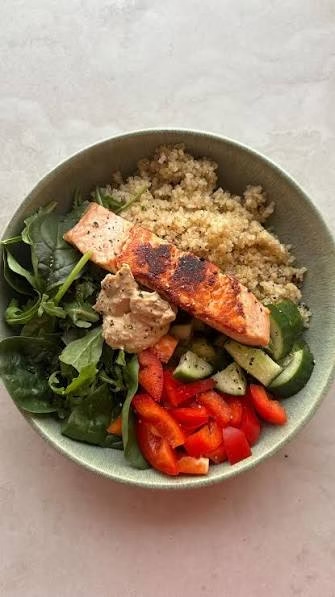
Salmon and quinoa bowl

Combine baked or pan-seared salmon with cooked quinoa, roasted broccoli, cherry tomatoes, and cucumber. Dress with lemon juice and extra virgin olive oil.

Why it works: salmon delivers omega-3 fatty acids, quinoa is a complete protein with a low glycemic index, and the vegetables add antioxidants and fiber in one meal.

Lentil and vegetable soup

Simmer red or green lentils with diced carrots, celery, tomatoes, spinach, garlic, ginger, and turmeric in vegetable stock. Season with cumin and black pepper.

Why it works: lentils are one of the best PCOS foods — high in fiber, plant protein, and low on the glycemic index. Ginger and turmeric add direct anti-inflammatory action.

Chickpea and avocado salad

Toss canned chickpeas with diced avocado, cucumber, red onion, cherry tomatoes, fresh parsley, lemon juice, and olive oil. Season with salt and cumin.

Why it works: chickpeas provide fiber and plant protein, avocado adds healthy fats and potassium, and olive oil brings its own anti-inflammatory compounds. This lunch takes under five minutes to prepare.

Sardine and mixed green salad

Combine canned sardines in olive oil with mixed salad greens, sliced radishes, cucumber, and a tahini-lemon dressing.

Why it works: sardines are one of the richest sources of omega-3 fatty acids available — and among the most affordable. Tahini adds calcium and additional healthy fats.

Anti-Inflammatory Dinner Ideas for PCOS

Turmeric baked salmon with roasted vegetables

Rub salmon fillets with turmeric, garlic, olive oil, and lemon. Bake at 200°C for fifteen minutes. Serve alongside roasted cauliflower, broccoli, and sweet potato.

Why it works: this dinner combines omega-3s from salmon, curcumin from turmeric, and fiber-rich vegetables — three major anti-inflammatory priorities in a single, satisfying meal.

Ginger chicken stir-fry with broccoli and brown rice

Stir-fry chicken breast strips with fresh ginger, garlic, broccoli, snap peas, and bell peppers in a small amount of sesame oil and low-sodium soy sauce. Serve over brown rice.

Why it works: lean protein from chicken, anti-inflammatory ginger, and a range of antioxidant-rich vegetables over slow-digesting brown rice ticks every anti-inflammatory box without complicated preparation.

Black bean and vegetable curry

Cook black beans with diced tomatoes, spinach, coconut milk, garlic, ginger, turmeric, and cumin. Serve over cauliflower rice for a lower-carb option or brown rice for more energy.

Why it works: black beans provide plant protein and fiber, coconut milk adds medium-chain triglycerides that support metabolism, and the spice combination delivers significant anti-inflammatory activity.

Baked cod with roasted asparagus and quinoa

Season cod fillets with lemon, garlic, and fresh herbs. Bake alongside asparagus drizzled with olive oil. Serve with a small portion of quinoa.

Why it works: white fish like cod is a lean protein source that keeps meals light while still providing the protein PCOS requires. Asparagus is rich in folate and antioxidants.

Anti-Inflammatory Snack Ideas for PCOS

The wrong snacks undo the work of well-planned meals. Keep these on hand instead of processed options:

  • Walnuts and a small handful of blueberries
  • Sliced apple with almond butter
  • Celery sticks with hummus
  • Greek yogurt (unsweetened) topped with mixed berries and flaxseed
  • Chia pudding made with unsweetened almond milk and topped with raspberries
  • A boiled egg with cucumber slices
  • A small bowl of edamame lightly salted
  • A cup of green tea with a small square of dark chocolate (70% cocoa or above)

Dark chocolate deserves a special mention. High-cocoa dark chocolate contains flavonoids — compounds with genuine antioxidant and anti-inflammatory properties. A small amount daily is both enjoyable and genuinely beneficial.

Drinks That Support an Anti-Inflammatory PCOS Diet

What you drink matters as much as what you eat.

Drink more of:

  • Plain water throughout the day
  • Green tea — two cups daily for antioxidant benefits
  • Spearmint tea — research suggests it may help reduce androgen levels
  • Turmeric golden milk — warm almond milk with turmeric, ginger, and black pepper
  • Herbal teas — chamomile, ginger, and peppermint are all anti-inflammatory options

Drink less of:

  • Sugary sodas and flavored drinks
  • Packaged fruit juices (even 100% juice removes fiber and spikes blood sugar)
  • Energy drinks
  • Sweetened coffee drinks with syrups and creamers
  • Alcohol, which increases liver burden and worsens hormonal imbalance

Foods to Reduce on an Anti-Inflammatory PCOS Diet

You do not need to eliminate everything at once. Consistent reduction of these foods produces meaningful results:

  • Refined sugars — candy, pastries, sweetened cereals, and flavored yogurts
  • White flour products — white bread, regular pasta, white rice, and crackers
  • Processed meats — sausages, deli meats, hot dogs, and packaged meat products
  • Fried foods and trans fats — fast food, commercially fried snacks, and margarine
  • Vegetable oils high in omega-6 — sunflower, corn, and soybean oils used in excess
  • Excess dairy — particularly full-fat cow’s milk products, which may increase insulin and androgen activity in some women with PCOS
  • Alcohol — even moderate amounts increase inflammation and add empty calories

Reducing these consistently — rather than removing them perfectly — is the practical approach that produces long-term results.

A Simple Anti-Inflammatory Meal Prep Plan for PCOS

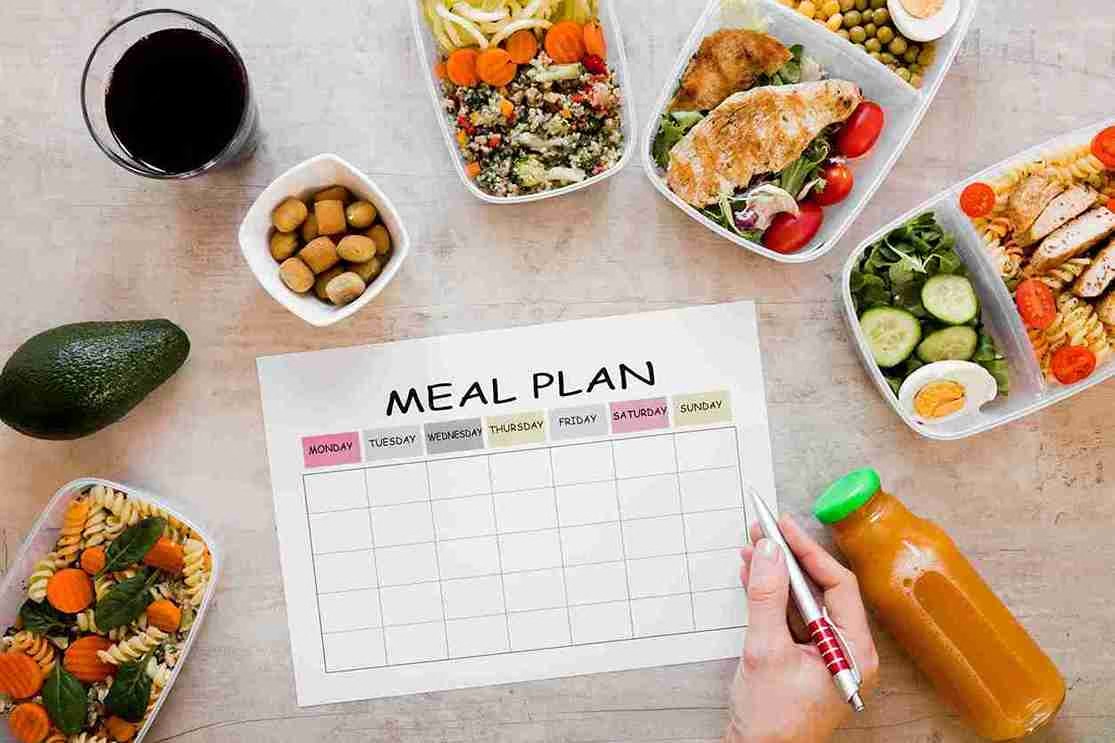
One hour of preparation on Sunday makes the entire week easier. Here is a simple prep routine:

  1. Cook a large batch of quinoa or brown rice — use throughout the week as a base for bowls and stir-fries
  2. Roast a tray of mixed vegetables — broccoli, cauliflower, sweet potato, and bell peppers roast together in twenty-five minutes
  3. Make a big pot of lentil soup — covers two to three lunches with zero effort on weekdays
  4. Prepare overnight oats — make three jars at once for three ready-to-eat breakfasts
  5. Pre-portion snacks — divide nuts, cut vegetables, and prepare hummus portions into small containers
  6. Marinate protein — marinate chicken or fish in olive oil, lemon, garlic, and turmeric so it is ready to cook any night

This approach removes the daily decision fatigue that leads to reaching for processed food when you are tired and hungry.

Final Thoughts

Inflammation does not announce itself loudly. It works quietly in the background, making PCOS symptoms harder to manage and harder to treat.

An anti-inflammatory diet is not a cure for PCOS. But it is one of the most consistent evidence-backed lifestyle changes that women with PCOS can make to reduce symptoms, support hormonal balance, and feel genuinely better day to day.

Start with small shifts. Swap vegetable oil for olive oil. Add berries to your breakfast. Include salmon twice a week. Drink green tea instead of a second coffee.

Small changes compound. Over weeks and months, those choices create a meaningfully different hormonal environment — and that shows up in how you feel, how your periods behave, and how well your body manages weight.

To understand the full picture of PCOS — including causes, types, diagnosis, and treatment — visit our complete PCOS guide.

FAQs

Q1. What is the best anti-inflammatory diet for PCOS?

The most effective approach combines omega-3-rich foods like salmon and walnuts, high-fiber vegetables, antioxidant-rich berries, whole grains, legumes, and anti-inflammatory spices like turmeric and ginger — while reducing refined sugars, processed foods, and trans fats.

Q2. Does inflammation actually cause PCOS symptoms?

Chronic low-grade inflammation does not cause PCOS directly, but it significantly worsens it. Women with PCOS show higher inflammatory markers, and inflammation actively worsens insulin resistance and androgen production — two of the core drivers of PCOS symptoms.

Q3. Is turmeric good for PCOS?

Yes. The active compound in turmeric — curcumin — has well-researched anti-inflammatory properties and may help improve insulin sensitivity. Combining turmeric with black pepper significantly increases absorption. Adding it to daily meals is a simple, low-cost way to support PCOS management.

Q4. What fruits are anti-inflammatory and safe for PCOS?

Berries — blueberries, raspberries, strawberries, and blackberries — are the best choices. They are high in antioxidants and relatively low in sugar compared to tropical fruits. Cherries, pomegranate, and kiwi are also excellent anti-inflammatory options for PCOS.

Q5. Is dairy inflammatory for PCOS?

The relationship between dairy and PCOS varies between individuals. Some women with PCOS find that full-fat cow’s milk products worsen acne, bloating, and hormonal symptoms. Others tolerate dairy without obvious issues. Try reducing dairy for four weeks and observe whether your symptoms improve before making a permanent decision.

Q6. How long does it take to see results from an anti-inflammatory diet with PCOS?

Most women notice initial improvements — less bloating, more stable energy, reduced cravings — within two to three weeks of consistent anti-inflammatory eating. More meaningful hormonal changes, including more regular periods and improved skin, typically take six to twelve weeks of sustained dietary changes.

Categories
PCOS

7-Day PCOS Meal Plan for Beginners (Free and Easy to Follow)

Starting a PCOS-friendly diet can feel overwhelming.

You search online and get hit with complicated meal plans, expensive ingredients, and advice that sounds more like punishment than eating. It does not have to be that way.

This free 7-day PCOS meal plan is designed for real beginners. No complicated recipes. No hard-to-find ingredients. Just simple, balanced meals that support your hormones, stabilize blood sugar, and help you feel genuinely better.

Let’s get into it.

Why Diet Matters So Much for PCOS

PCOS is a hormonal condition that affects how your body manages insulin and inflammation.

When you eat the wrong foods, insulin spikes. High insulin tells your ovaries to produce more androgens — the hormones that drive many PCOS symptoms like acne, irregular periods, weight gain, and excess hair.

Eating the right foods does the opposite. It keeps blood sugar stable, lowers inflammation, and creates a hormonal environment where your symptoms ease rather than worsen.

Diet is not a cure for PCOS. But it is one of the most powerful management tools available to you — and it costs nothing to start.

For a complete understanding of how PCOS affects your body, read our full guide to PCOS symptoms, causes, and treatment.

The 3 Rules Behind This Meal Plan

Before you see the plan, understand the three principles driving every meal here.

Rule 1 — Protein at every meal. Protein stabilizes blood sugar and keeps you full for longer. It reduces the cravings that make PCOS eating feel impossible.

Rule 2 — Fiber with every meal. Fiber slows digestion, prevents insulin spikes, and feeds the gut bacteria that support hormone balance.

Rule 3 — Low-glycemic carbohydrates only. This means swapping white bread, white rice, and sugary foods for slow-digesting alternatives like oats, quinoa, and sweet potatoes.

Every meal in this plan follows all three rules.

What to Eat and What to Avoid

Before jumping into the plan, here is a quick reference guide.

Foods that support PCOS:

  • Eggs, chicken, fish, tofu, lentils, chickpeas
  • Broccoli, spinach, kale, bell peppers, cucumber
  • Oats, quinoa, brown rice, sweet potato
  • Berries, apples, pears, kiwi
  • Almonds, walnuts, chia seeds, flaxseeds
  • Olive oil, avocado, fatty fish

Foods to limit with PCOS:

  • White bread, white rice, regular pasta
  • Sugary drinks, sodas, packaged fruit juices
  • Candy, pastries, and sweet snacks
  • Fried and heavily processed foods
  • Excess dairy and alcohol

You do not need to eat perfectly. Reducing the second list while increasing the first is enough to make a real difference.

Read our detailed guide on Foods That Make PCOS Worse — and What to Eat Instead

Your Free 7-Day PCOS Meal Plan

Day 1 — Start Simple

Breakfast

Scrambled eggs with sautéed spinach and whole grain toast

Morning Snack

A small handful of almonds and one apple

Lunch

Grilled chicken salad with mixed greens, cucumber, cherry tomatoes, and olive oil dressing

Afternoon Snack

Greek yogurt (unsweetened) with a few blueberries

Dinner

Baked salmon with roasted broccoli and a small serving of brown rice

Day 2 — Easy and Filling

Breakfast

Overnight oats with chia seeds, almond milk, and mixed berries

Morning Snack

Boiled egg and a handful of walnuts

Lunch

Lentil soup with a slice of whole grain bread

Afternoon Snack

Sliced cucumber and hummus

Dinner

Stir-fried tofu with bell peppers, broccoli, and quinoa

Day 3 — Anti-Inflammatory Focus

Breakfast

Smoothie made with spinach, frozen berries, chia seeds, and unsweetened almond milk

Morning Snack

A pear and a small handful of pistachios

Lunch

Tuna and avocado wrap using a whole wheat tortilla with mixed greens

Afternoon Snack

Cottage cheese with sliced strawberries

Dinner

Grilled chicken with roasted sweet potato and steamed green beans

Day 4 — Midweek Reset

Breakfast

Two poached eggs on whole grain toast with sliced avocado

Morning Snack

A small bowl of mixed berries

Lunch

Chickpea and vegetable salad with lemon and olive oil dressing

Afternoon Snack

A boiled egg and an apple

Dinner

Baked cod with roasted cauliflower and a small serving of quinoa

Day 5 — Keep It Light

Breakfast

Greek yogurt parfait with oats, chia seeds, and fresh blueberries

Morning Snack

A handful of almonds and a kiwi

Lunch

Grilled chicken and avocado bowl with brown rice and salsa

Afternoon Snack

Celery sticks with almond butter

Dinner

Turkey and vegetable stir-fry with broccoli, carrots, and bell peppers over quinoa

Day 6 — Weekend Comfort

Breakfast

Vegetable omelet with mushrooms, bell peppers, and spinach

Morning Snack

A small bowl of mixed nuts and a pear

Lunch

Homemade lentil and vegetable soup with whole grain bread

Afternoon Snack

Sliced apple with a tablespoon of almond butter

Dinner

Baked salmon with roasted asparagus and sweet potato mash

Day 7 — Finish Strong

Breakfast

Smoothie bowl with blended frozen berries, banana, Greek yogurt, topped with chia seeds and oats

Morning Snack

Hard boiled egg and a handful of walnuts

Lunch

Grilled chicken with a large mixed salad, olive oil dressing, and a small serving of brown rice

Afternoon Snack

Cucumber slices and hummus

Dinner

Tofu and vegetable curry made with coconut milk, served over cauliflower rice

How to Build Every PCOS Meal

You do not need to follow this plan exactly every week.

Once you understand the structure behind it, you can build your own PCOS-friendly meals from scratch. Every meal should follow this simple formula:

  1. Half your plate — non-starchy vegetables (salad, broccoli, spinach, peppers)
  2. A quarter of your plate — lean protein (chicken, fish, eggs, tofu, lentils)
  3. A quarter of your plate — slow-digesting carbohydrates (quinoa, sweet potato, brown rice, oats)
  4. A drizzle — healthy fat (olive oil, avocado, nuts, seeds)

This formula works for every meal, every day. Vary the ingredients to keep it interesting.

PCOS Snacking — What to Grab Between Meals

Snacking with PCOS is not about avoiding hunger at all costs. It is about choosing snacks that keep blood sugar stable between meals.

The best PCOS snacks combine protein and fiber together. This combination prevents blood sugar from crashing and spiking between meals — which is one of the biggest triggers for cravings.

Easy PCOS snack ideas:

  • Apple slices with almond butter
  • Boiled eggs with a handful of nuts
  • Greek yogurt with berries
  • Hummus with cucumber and carrot sticks
  • Cottage cheese with sliced fruit
  • A small handful of mixed nuts
  • Chia pudding made with unsweetened almond milk

Avoid reaching for crackers, biscuits, granola bars, or fruit juice when you feel hungry. These spike blood sugar and leave you hungrier an hour later.

Drinks That Support Your PCOS Meal Plan

What you drink matters just as much as what you eat.

Sugary drinks are one of the fastest ways to spike insulin — even faster than sugary food. This is because liquid sugar absorbs into your bloodstream almost instantly with nothing to slow it down.

Best drinks for PCOS:

  • Plain water — your best friend
  • Herbal teas — chamomile, spearmint, and green tea are particularly helpful
  • Sparkling water with a squeeze of lemon
  • Unsweetened almond or oat milk
  • Black coffee in moderation (one to two cups daily)

Drinks to cut back on:

  • Sodas and fizzy drinks
  • Packaged fruit juices
  • Sweetened coffees and lattes
  • Energy drinks
  • Alcohol

Spearmint tea deserves a special mention for PCOS. Several small studies suggest it may help reduce elevated androgen levels. A cup or two daily is a simple, free addition to your routine.

Meal Prep Tips for the Week

The biggest barrier to eating well with PCOS is not knowing what to cook when you are tired and hungry.

Meal prepping removes that barrier. When healthy food is already prepared and waiting for you, making better choices becomes effortless.

Simple meal prep ideas for beginners:

  • Cook a large batch of quinoa or brown rice on Sunday for the whole week
  • Hard boil six to eight eggs at once for quick grab-and-go snacks and breakfasts
  • Wash and chop vegetables in advance so salads and stir-fries take minutes
  • Make a big pot of lentil soup that covers two to three lunches
  • Pre-portion nuts and berries into small containers for easy snacking
  • Marinate chicken in advance so it is ready to grill any night

Even one hour of meal prep on Sunday makes the rest of the week significantly easier.

Grocery List for Your First PCOS Week

Here is everything you need to follow this seven-day plan.

Proteins:

  • Eggs (one dozen)
  • Chicken breast
  • Salmon fillets
  • Canned tuna
  • Tofu
  • Lentils (dried or canned)
  • Chickpeas (canned)
  • Cottage cheese
  • Greek yogurt (unsweetened)

Vegetables:

  • Spinach
  • Broccoli
  • Cauliflower
  • Bell peppers
  • Cucumber
  • Cherry tomatoes
  • Asparagus
  • Green beans
  • Mushrooms
  • Carrots
  • Celery

Fruits:

  • Blueberries
  • Mixed berries (fresh or frozen)
  • Apples
  • Pears
  • Kiwi
  • Strawberries
  • Banana (one, for smoothie bowl)

Grains and Carbs:

  • Rolled oats
  • Quinoa
  • Brown rice
  • Whole grain bread
  • Whole wheat tortillas
  • Sweet potatoes

Healthy Fats and Extras:

  • Avocados
  • Olive oil
  • Almonds
  • Walnuts
  • Pistachios
  • Chia seeds
  • Flaxseeds
  • Almond butter
  • Hummus
  • Coconut milk (one can)

Drinks:

  • Almond milk (unsweetened)
  • Herbal teas (spearmint, chamomile, or green tea)
  • Sparkling water

What Results Can You Realistically Expect?

One week of eating well will not fix PCOS overnight. That is important to say upfront.

But one week of consistent, balanced eating can:

  • Reduce bloating noticeably
  • Stabilize your energy levels throughout the day
  • Ease the intensity of sugar cravings
  • Improve your sleep quality
  • Help you feel more in control of your body

After three to four weeks, many women start noticing improvements in skin clarity, mood stability, and period regularity.

After two to three months of consistent effort, the improvements in hormonal balance and weight become more measurable.

The key word throughout all of this is consistency — not perfection.

Final Thoughts

Managing PCOS through diet is not about following a strict plan forever.

It is about understanding which foods support your hormones and which ones work against them — and making small, sustainable shifts in the right direction.

This seven-day plan gives you a solid starting point. Use it for a week, see how your body responds, then adapt it to your own preferences and lifestyle.

You do not need expensive supplements or a nutritionist to start eating better for PCOS. You just need a plan, a grocery list, and the decision to begin.

For everything you need to know about managing PCOS from the ground up, head back to our complete PCOS guide.

FAQs

Q1. What is the best diet for PCOS beginners?

Start with the basics — protein, fiber, and low-glycemic carbohydrates at every meal. Reduce sugary drinks, white bread, and processed foods. You do not need a complicated plan to start seeing results.

Q2. Can a meal plan really help with PCOS symptoms?

Yes. Diet directly affects insulin levels and inflammation — two core drivers of PCOS. Consistent, balanced eating can improve energy, reduce cravings, ease bloating, and support more regular periods over time.

Q3. How many calories should I eat with PCOS?

There is no universal calorie target for PCOS. Rather than counting calories, focus on eating balanced meals with protein, fiber, and healthy fats. This approach naturally regulates appetite without obsessive tracking.

Q4. Can I repeat meals in this 7-day plan?

Absolutely. If you find meals you enjoy, repeat them. Consistency matters far more than variety when you are just starting out.

Q5. Is this meal plan suitable for vegetarians?

Yes. Simply replace the chicken, fish, and meat options with tofu, tempeh, lentils, chickpeas, or eggs. All the core nutritional principles remain the same.

Q6. How long before I see results from a PCOS meal plan?

Most women notice improved energy and reduced bloating within the first one to two weeks. More significant hormonal improvements typically take six to twelve weeks of consistent eating.

Categories
PCOS

Why Is It Hard to Lose Weight with PCOS? Understanding the Science and Solutions

Many women struggle with unexplained weight gain. They spend hours at the gym and eat clean diets. Yet, the scale does not move. For millions, the hidden culprit behind this battle is Polycystic Ovary Syndrome (PCOS). This common hormonal disorder affects up to ten percent of women of childbearing age.

Weight gain is one of the most frustrating symptoms of this condition. It usually settles around the belly. This stubborn fat leaves many women feeling defeated. They often blame themselves for a lack of willpower. However, the true cause is a complex web of hormonal imbalances.

Losing weight with this condition requires a different approach. Standard diet advice often fails. To find success, you must first understand your body. Let us explore the biological reasons behind this struggle and how you can manage them.

The Role of Insulin Resistance

Insulin is a vital hormone made by your pancreas. It acts like a key. It unlocks your cells to let glucose enter and provide energy. When you have PCOS, your body’s cells often ignore this hormone. This condition is known as insulin resistance.

Because the cells are resistant, glucose stays in your bloodstream. Your pancreas panics and pumps out even more insulin. High levels of insulin tell your body to store fat. It also blocks your body from burning stored fat for fuel.

This process creates a frustrating cycle. Your cells crave energy because they cannot access glucose. This leads to intense cravings for sugar and carbohydrates. You eat more, your insulin spikes, and your body stores more fat.

High Androgens and Fat Storage

Women naturally produce small amounts of male hormones called androgens. Testosterone is one example. If you have PCOS, your ovaries produce higher levels of these hormones than normal. High insulin levels actually trigger this extra production.

Elevated androgens change how your body handles fat. Most women store fat in their hips and thighs. High androgen levels cause fat to accumulate in the abdomen instead. This is often called visceral fat or a PCOS belly.

Visceral fat is not just an appearance issue. It wraps around your vital internal organs. This type of fat is highly active. It increases inflammation and makes insulin resistance even worse over time.

The Slowed Metabolism Myth vs. Reality

Many women feel their metabolism is completely broken. Studies show that women with this condition often have a lower basal metabolic rate. This means your body naturally burns fewer calories at rest than someone without the condition.

Your body is essentially programmed to conserve energy. It acts as if it is in survival mode. A normal calorie deficit might not work for you. Your body adapts quickly to lower food intake by slowing down further.

This lower metabolic rate makes traditional weight loss formulas inaccurate. Tracking calories alone rarely works. You must focus on changing your hormonal landscape to kickstart your metabolism instead.

Hunger Hormones Out of Balance

Your body uses specific hormones to signal hunger and fullness. Ghrelin tells your brain when it is time to eat. Leptin signals your brain when you are full. In a healthy body, these hormones keep your appetite stable.

PCOS disrupts this delicate balance completely. Research shows that ghrelin levels do not drop properly after a meal. You might finish a large dinner and still feel physically hungry an hour later.

At the same time, your body can become resistant to leptin. Your brain stops receiving the message that you have enough energy. This hormonal confusion leaves you fighting constant physical hunger every day.

Chronic Inflammation and Weight Gain

Living with this condition means your body experiences low-grade chronic inflammation. Your immune system is constantly on high alert. Doctors can measure this through specific proteins in your blood.

Inflammation and weight gain feed into each other. Inflammatory signals interfere with insulin receptors on your cells. This worsens insulin resistance. As a result, your body stores more fat in response.

Fat cells then produce their own inflammatory chemicals. This creates a dangerous loop. The more fat your body stores, the more inflamed it becomes. This makes weight loss even harder to achieve.

The Impact of Stress and Cortisol

Dealing with chronic symptoms is highly stressful. Stress triggers your adrenal glands to produce cortisol. Cortisol is your body’s primary stress hormone. High levels of cortisol are directly linked to weight gain.

Cortisol encourages your body to hold onto fat. It specifically targets the abdominal area. It also raises blood sugar levels. This gives your body a quick burst of energy that you do not use.

When this energy is not used, insulin stores it as fat. High cortisol also drives cravings for comfort foods. These foods are usually high in fat and sugar, which feeds the cycle.

Sleep Disturbances and Fat Loss

Sleep is essential for healthy hormone regulation. Women with this condition are at a much higher risk for sleep issues. Sleep apnea is common due to airway inflammation and weight.

Poor sleep disrupts your hunger hormones. Just one night of bad sleep increases ghrelin. It also decreases leptin the following day. This makes you crave high-calorie foods for quick energy.

Lack of sleep also worsens insulin resistance immediately. Your body cannot process glucose efficiently when it is exhausted. Prioritizing rest is a critical part of any successful weight management plan.

Why Traditional Diet Advice Fails

Most standard diet plans rely on extreme calorie restriction. They often advocate for hours of intense cardio exercise. While this works for some, it often backfires for women with PCOS.

Severe calorie restriction acts as a major stressor. It raises your cortisol levels significantly. Intense cardio can also spike cortisol. This tells your body to hold onto its fat stores even tighter.

Cutting out entire food groups can trigger intense binges. This happens because your hunger hormones are already unstable. A sustainable approach must focus on nourishment rather than deprivation.

Smart Dietary Strategies for Success

To lose weight, you must focus on balancing your blood sugar. Avoid extreme low-calorie diets. Instead, build your meals around three main pillars: protein, healthy fats, and fiber.

  • Prioritize Protein: Eat protein with every meal. Lean meats, fish, eggs, and tofu help stabilize blood sugar. Protein also keeps you feeling full for longer periods.
  • Choose Complex Carbs: Do not cut out carbs completely. Swap refined carbs for whole options. Vegetables, berries, quinoa, and legumes digest slowly and prevent insulin spikes.
  • Include Healthy Fats: Avocados, nuts, seeds, and olive oil are essential. They slow down digestion. They also support healthy hormone production in your body.

The Right Way to Exercise

Exercise is crucial, but type and intensity matter. Long, grueling cardio sessions can raise stress hormones. Focus on workouts that improve insulin sensitivity without exhausting your body.

  • Strength Training: Lift weights or use bodyweight exercises. Building muscle mass improves your metabolic rate. Muscle cells use glucose for fuel efficiently, even at rest.
  • Walking: Never underestimate the power of a daily walk. A 20-minute walk after meals lowers blood sugar spikes. It is also an excellent way to lower cortisol.
  • HIIT in Moderation: High-Intensity Interval Training can be beneficial. Keep these sessions short. Limit them to twice a week to avoid overstressing your system.

The Importance of Lifestyle and Supplements

Diet and exercise are only part of the puzzle. Managing stress is just as important. Practice regular stress-relief techniques. Meditation, deep breathing, and yoga can significantly lower cortisol levels.

Specific supplements can also support your journey. Always speak with your doctor before starting any new routine. Some options have strong scientific backing for managing symptoms.

  • Inositol: This supplement helps improve insulin sensitivity. It can reduce sugar cravings and help regulate your ovulation cycle.
  • Omega-3 Fatty Acids: High-quality fish oil reduces chronic inflammation. It also helps improve cholesterol profiles.
  • Vitamin D: Many women with this condition are deficient. Vitamin D is essential for insulin management and overall immune function.

Shifting Your Mindset

Weight loss with this condition takes time. It is a slow, gradual process. Expecting rapid results will only lead to frustration. Celebrate small victories that do not involve the scale.

Notice if your energy levels are improving. Track changes in your skin, mood, and sleep quality. These are signs that your hormones are shifting in a positive direction.

Be kind to yourself during this process. Your body is not working against you maliciously. It is dealing with a complex hormonal challenge. It needs your patience, care, and consistent support.

If you’d like to know more about how PCOS symptoms, then please check our detailed article – PCOS Symptoms Before Diagnosis.

Frequently Asked Questions (FAQs)

Can you actually lose weight if you have PCOS?

Yes. Weight loss is possible, but it requires balancing your hormones first rather than just cutting calories. Focus on managing insulin levels and lowering your daily stress.

Why does PCOS cause fat to store mainly in the stomach?

High levels of male hormones, called androgens, alter where your body stores fat. Instead of storing it in the hips, your body deposits fat in the abdomen, creating visceral fat.

Does cutting out all carbohydrates fix PCOS weight gain?

No, you do not need to cut out all carbohydrates. Focus on replacing refined carbs with high-fiber complex carbohydrates, which prevent drastic insulin spikes.

How long does it take to see weight loss results with PCOS?

Results vary for everyone, but sustainable hormone healing takes time. Most women start seeing real, lasting changes within three to six months of consistent lifestyle changes.

Exit mobile version