Categories
PCOS

Can Stress Cause PCOS? What the Science Says (And What to Do About It)

You’re exhausted, your periods are irregular, your skin is breaking out, and your doctor says it might be PCOS. But you haven’t changed your diet, you haven’t gained significant weight — the only thing that’s shifted is your stress level. Sound familiar?

If you’ve ever wondered whether your anxiety, burnout, or chronic stress could be connected to your hormonal chaos, you’re asking exactly the right question. The relationship between stress and Polycystic Ovary Syndrome (PCOS) is one of the most undertalked topics in women’s health — and the science behind it is finally catching up.

Let’s break it all down.

What Is PCOS, Exactly?

Polycystic Ovary Syndrome (PCOS) is the most common hormonal disorder among women of reproductive age, affecting approximately 8% to 13% of women worldwide. Despite its name, you don’t even need to have ovarian cysts to be diagnosed with it.

PCOS is typically characterized by:

  • Irregular or absent menstrual cycles
  • Elevated androgen levels (male hormones like testosterone), causing acne, excess facial or body hair, and hair thinning
  • Polycystic ovaries visible on ultrasound
  • Insulin resistance, present in up to 70% of cases

PCOS isn’t just a reproductive issue — it’s a full-body metabolic and hormonal disorder with far-reaching implications for mental health, cardiovascular health, and long-term wellbeing.

A detailed guide on PCOS can be read here – PCOS – causes, symptoms and treatment

So, Can Stress Actually Cause PCOS?

The short answer: stress likely doesn’t create PCOS from nothing, but it is a powerful trigger and amplifier — especially if you already have a genetic predisposition.

Research increasingly recognizes stress as “an important component of PCOS,” one that encompasses metabolic, inflammatory, oxidative, and emotional dimensions. In other words, stress isn’t just a background noise in your life. It is actively interfering with the hormonal systems that govern your reproductive health.

Here’s how it works.

The Stress–PCOS Connection: Inside Your Body

  1. The HPA Axis: Your Body’s Stress Command Center

When you encounter stress — whether it’s a work deadline, a difficult relationship, financial pressure, or even physical strain — your brain triggers a chain reaction called the HPA (hypothalamic–pituitary–adrenal) axis response.

Here’s the cascade:

  • The hypothalamus signals the pituitary gland
  • The pituitary releases ACTH (adrenocorticotropic hormone)
  • ACTH tells the adrenal glands to pump out cortisol, adrenaline, and noradrenaline

This is your classic “fight or flight” response — brilliant in short bursts, destructive when it never turns off.

  1. Cortisol: The Stress Hormone That Hijacks Your Cycle

Cortisol is the primary stress hormone, and in women with PCOS, it’s particularly disruptive.

Studies have found that women with PCOS have significantly higher hair cortisol concentrations compared to women without the condition — a measure that reflects chronic, long-term cortisol exposure rather than a single spike.

Here’s what elevated cortisol does to your hormonal health:

  • Disrupts ovulation: Cortisol interferes with GnRH (gonadotropin-releasing hormone) pulses in the hypothalamus. These pulses control LH and FSH — the hormones that trigger ovulation. When cortisol destabilizes that rhythm, your cycle pays the price.
  • Worsens insulin resistance: Cortisol raises blood glucose by encouraging glucose release from the liver. For women with PCOS — where insulin resistance is already a core issue — this is fuel on the fire.
  • Elevates androgens: High insulin stimulates the ovaries to produce more androgens. Meanwhile, cortisol directly disrupts hormonal signaling, indirectly pushing androgen levels higher. This worsens acne, hair growth, and hair loss.
  • Promotes visceral fat storage: Chronically elevated cortisol encourages fat storage around the abdomen, which itself worsens insulin resistance — creating a vicious cycle.

A detailed analysis on hormonal imbalance in PCOS can be read here – Signs of Hormonal Imbalance PCOS – You Shouldn’t Ignore.

  1. Stress Drives Adrenal Androgen Production

Here’s where it gets particularly interesting. When ACTH is released during stress, it doesn’t just trigger cortisol production. It also stimulates the adrenal glands to produce DHEA, DHEA-S, and androstenedione — adrenal androgen hormones.

Unlike cortisol, these adrenal androgens have no feedback regulatory loop — meaning there’s nothing telling the adrenal glands to stop producing them when levels get too high. For some women, this results in what’s informally called “adrenal PCOS” — a pattern where the androgen excess is driven more by adrenal stress hormones than by ovarian testosterone.

Women under extreme chronic stress — such as those with PTSD — show markedly increased DHEA response to ACTH stimulation, and research confirms that traumatized women with the highest DHEA levels had elevated androgen-related symptoms consistent with PCOS profiles.

  1. The Emotional Stress Loop

PCOS and emotional stress aren’t just linked — they feed each other in a destructive loop.

Living with PCOS is genuinely stressful. Irregular periods, unwanted hair growth, weight fluctuations, acne, fertility concerns — all of this creates significant psychological burden. Research confirms that women with PCOS are significantly more likely to experience anxiety and depression than women without the condition.

This psychological distress then activates the HPA axis further — increasing cortisol, worsening insulin resistance, and driving more androgen production. The hormonal imbalance deepens, symptoms worsen, and stress escalates. Round and round it goes.

A 2025 review in a SAGE journal described this as a “bidirectional interaction in which psychological distress and endocrine imbalance worsen one another” — meaning PCOS causes stress, and stress worsens PCOS.

Does Childhood Trauma Play a Role?

Emerging research suggests the stress-PCOS connection may begin far earlier than adulthood. Studies show that emotional maltreatment during childhood, including physical and sexual abuse, is closely linked to the onset of PCOS. This is thought to be mediated by long-term HPA axis dysregulation — essentially, early trauma rewires the stress response system in ways that can affect hormonal health for decades.

This is not about blame. It’s about understanding that PCOS has deeper roots than diet and exercise, and that healing may need to address the nervous system, not just the hormones.

Types of Stress That Affect PCOS

Not all stress is emotional. Research identifies multiple forms of stress relevant to PCOS:

Type of Stress How It Affects PCOS
Emotional/Psychological HPA axis activation, elevated cortisol, disrupted ovulation
Metabolic Insulin resistance, glucose dysregulation — considered the “pathophysiological heart” of PCOS
Inflammatory Chronic low-grade inflammation worsens hormonal imbalance
Oxidative Cell-level damage that impairs ovarian function and egg quality

Warning Signs That Stress Is Worsening Your PCOS

Pay attention if you notice the following patterns:

  • Cycle changes during high-stress periods — your period disappearing or becoming wildly irregular when life gets intense
  • Acne flare-ups linked to stress spikes
  • Increased fatigue and brain fog despite adequate sleep
  • Worsening mood, anxiety, or depression alongside physical PCOS symptoms
  • Sugar cravings and weight gain around the abdomen, particularly during stressful seasons

These aren’t coincidences. They’re your body signaling a stress-hormone-androgen connection in real time.

What You Can Do: Managing Stress to Support PCOS

The good news? You have more control than you think. Addressing stress is now considered a legitimate and evidence-backed component of PCOS management — not a “nice to have” addition.

Prioritize Sleep (Non-Negotiable)

Cortisol follows a circadian rhythm. Disrupted sleep immediately spikes cortisol and worsens insulin resistance. Aim for 7–9 hours of quality sleep. Avoid screens before bed, keep a consistent sleep schedule, and address sleep apnea if present — women with PCOS have higher rates of obstructive sleep apnea than the general population.

Choose the Right Kind of Exercise

Not all exercise reduces stress. High-intensity workouts done excessively can actually raise cortisol. Instead, focus on:

  • Yoga and Pilates — shown to reduce cortisol and improve hormonal balance
  • Walking — gentle but effective at lowering stress hormones
  • Resistance training — improves insulin sensitivity (though benefits decline after 3 days, so consistency 2–3x per week matters)
  • Moderate aerobic exercise — helps reduce stress even if its effect on depression is less pronounced

Stabilize Blood Sugar

Blood sugar crashes drive cortisol spikes. Eating fiber-rich, protein-balanced meals keeps glucose steady, reduces insulin demand, and keeps cortisol from spiking between meals. The Mediterranean-DASH hybrid (MIND diet) has shown positive results in PCOS management.

Practice Nervous System Regulation

Evidence supports the following for lowering cortisol in women with PCOS:

  • Breathwork and diaphragmatic breathing — directly activates the parasympathetic nervous system
  • Meditation and mindfulness — reduces perceived stress and measurably lowers cortisol
  • Journaling — helps process emotional load before it becomes physiological load
  • Cognitive Behavioral Therapy (CBT) — shown to improve both mood and PCOS-related quality of life

Get Daily Sunlight Exposure

Sunlight resets your circadian rhythm and supports healthy cortisol patterns. Even 10–15 minutes of morning light can make a meaningful difference over time.

Consider Mental Health Support

Given the strong link between trauma, psychological stress, and PCOS onset, regular mental health screening should be part of PCOS care — not an afterthought. If you’ve experienced childhood trauma or are dealing with anxiety and depression alongside PCOS, working with a therapist who understands hormonal health is enormously valuable.

The Bottom Line

Can stress cause PCOS? Stress alone is unlikely to conjure PCOS out of thin air. But it is a powerful trigger, amplifier, and sustainer of PCOS — through cortisol disruption, adrenal androgen elevation, insulin resistance, and the relentless feedback loop between hormonal imbalance and emotional distress.

The relationship is bidirectional: PCOS increases stress, and stress worsens PCOS. Understanding this loop is the first step to breaking it.

Managing PCOS is not just about metformin, low-carb diets, or spearmint tea. It’s about looking at your nervous system, your sleep, your emotional world, and your stress load — and treating those as seriously as any blood test result.

Your hormones are listening to everything your life is putting you through. It’s time to start listening back.

Frequently Asked Questions

Q: Can emotional stress trigger a PCOS diagnosis?

Stress alone is unlikely to cause PCOS in someone with no predisposition, but it can activate or worsen symptoms in women who are genetically vulnerable. Chronic stress elevates cortisol and adrenal androgens, which can push subclinical hormonal imbalances into diagnosable PCOS territory.

Q: Can reducing stress improve PCOS symptoms?

Yes. Lowering chronic stress through sleep, exercise, mindfulness, and therapy has been shown to improve cycle regularity, reduce androgen-related symptoms, and enhance insulin sensitivity in women with PCOS.

Q: What is adrenal PCOS?

Adrenal PCOS is an informal term for a pattern where excess androgen production is driven mainly by the adrenal glands (through DHEA-S) rather than the ovaries — often linked to chronic stress and HPA axis overactivation.

Q: Does cortisol directly cause PCOS?

Not directly. But chronic cortisol elevation disrupts ovulation, worsens insulin resistance, and indirectly drives androgen production — all core features of PCOS. It is a significant contributing and aggravating factor.

Q: Can PCOS cause anxiety and depression?

Yes, and this is well-documented. The hormonal imbalances, physical symptoms, and metabolic disruptions of PCOS significantly increase the risk of anxiety and depression. This creates a bidirectional feedback loop where mental health struggles worsen PCOS, and PCOS worsens mental health.

Q: Is childhood trauma linked to PCOS?

Emerging research suggests yes. Early emotional maltreatment appears to be linked to PCOS onset, likely through long-term dysregulation of the HPA axis — essentially, trauma reshaping the stress response system in ways that affect hormonal health later in life.

Always consult with a qualified healthcare provider for a personal diagnosis and treatment plan. This article is for informational purposes only.

Categories
PCOS

What Are the 4 Types of PCOS — And Which One Do You Have?

Most women who receive a PCOS diagnosis are handed a set of standard recommendations — eat less sugar, exercise more, consider the pill — and sent on their way. What is rarely explained is that PCOS is not a single, uniform condition. There are distinct types, each with a different root cause, and the management approach that works for one type can be ineffective or even counterproductive for another.

If you have been doing everything right and still feel stuck, understanding which type of PCOS you have may be the missing piece.

Why PCOS Types Matter

The name Polycystic Ovary Syndrome describes a collection of symptoms, not a single disease process. Two women can both have a confirmed PCOS diagnosis — same hormonal markers, similar symptoms — and yet the underlying driver in each case can be completely different.

One woman’s PCOS may be driven entirely by insulin resistance. Another’s may have nothing to do with insulin at all, and everything to do with chronic stress and adrenal dysfunction. Treating both women identically is not effective medicine. It is why so many women with PCOS cycle through recommendations that produce little result.

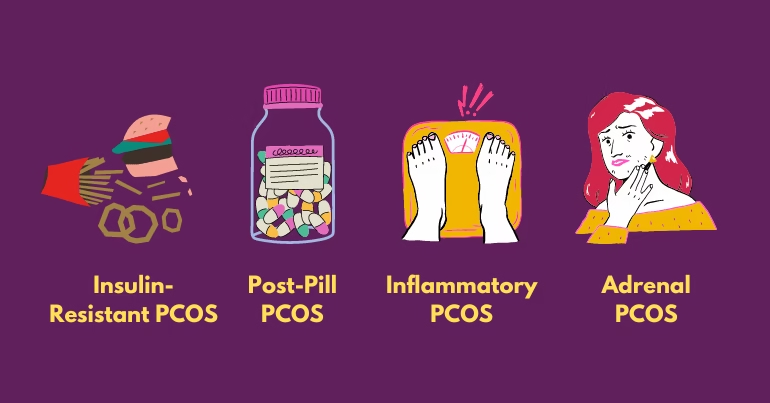
What are the 4 types of PCOS? The four types of PCOS currently recognized in integrative and functional medicine — insulin-resistant, inflammatory, adrenal, and post-pill — are not official medical classifications endorsed by all conventional clinicians. But they represent a practical and evidence-informed framework for understanding what is actually driving your symptoms, and they are increasingly being adopted by PCOS-specialist practitioners worldwide.

Type One — Insulin-Resistant PCOS

What It Is

Insulin-resistant PCOS is the most prevalent type, estimated to account for the majority of all PCOS cases — some researchers suggest as many as 70%. It is the type most people picture when they think of PCOS, and the one most widely covered in mainstream medical resources.

Insulin is a hormone produced by the pancreas to help cells absorb glucose from the bloodstream for energy. When cells become resistant to insulin’s signal, the pancreas produces increasingly larger amounts to compensate. Chronically elevated insulin levels directly stimulate the ovaries to produce excess androgens, which disrupts ovulation and triggers the cascade of PCOS symptoms.

How to Recognize It

The hallmark signs of insulin-resistant PCOS go beyond irregular periods and include metabolic symptoms that are sometimes overlooked in the context of hormonal health:

  • Persistent difficulty losing weight, particularly around the abdomen, despite dietary effort
  • Intense carbohydrate or sugar cravings — especially in the afternoon or after meals
  • Energy crashes and fatigue after eating, particularly after carbohydrate-heavy meals
  • Skin darkening in body folds — on the back of the neck, in the groin, or under the arms (acanthosis nigricans)
  • Elevated fasting insulin levels on blood testing, even when fasting glucose is still within normal range
  • A family history of type 2 diabetes, insulin resistance, or metabolic syndrome

It is important to note that insulin-resistant PCOS is not exclusive to women who are overweight. Lean women can have significant insulin resistance. Body weight is not a reliable indicator of this type.

Management Approach

The most effective interventions target insulin sensitivity directly:

  • A lower-glycemic diet that minimizes blood sugar spikes — prioritizing fiber, protein, and healthy fats at each meal while reducing refined carbohydrates and added sugars
  • Resistance training, which is particularly effective at improving insulin sensitivity by increasing glucose uptake into muscle tissue
  • Myo-inositol supplementation, which has strong clinical evidence for improving insulin signaling and restoring more regular ovulation in this type
  • Metformin, prescribed medically, improves cellular insulin response and has been shown to reduce androgen levels and support more regular cycles in insulin-resistant PCOS
  • Reducing sedentary behavior throughout the day — even short walks after meals can meaningfully reduce post-meal blood glucose responses

Type Two — Inflammatory PCOS

What It Is

Inflammatory PCOS is driven by chronic low-grade inflammation in the body rather than insulin resistance. In this type, a persistently activated immune response stimulates the adrenal glands and ovaries to produce excess androgens, leading to the hormonal disruption characteristic of PCOS.

Inflammation in this context does not mean the visible, acute swelling associated with an injury. It refers to a state of ongoing, low-level immune activation that can persist for years without obvious symptoms — yet steadily disrupts the hormonal systems that govern ovulation.

How to Recognize It

Women with inflammatory PCOS often present with symptoms that extend beyond the reproductive system and may initially seem unrelated to hormonal health:

  • Persistent fatigue that does not improve with adequate sleep
  • Frequent headaches or migraines
  • Chronic skin issues beyond typical hormonal acne — eczema, psoriasis, or general skin inflammation
  • Digestive problems including bloating, irregular bowel movements, or food sensitivities
  • Joint discomfort or general body aches without a clear cause
  • Elevated inflammatory markers on blood tests — CRP (C-reactive protein), ESR, or white blood cell count
  • Sensitivity to environmental triggers such as certain foods, chemicals, or mold

A useful distinguishing feature is that inflammatory PCOS does not always involve significant insulin resistance or weight gain. Women with this type may have relatively normal metabolic markers but still experience the full range of androgenic symptoms.

Management Approach

Reducing systemic inflammation is the central goal:

  • An anti-inflammatory dietary pattern — rich in vegetables, oily fish, olive oil, and polyphenol-dense foods, while reducing ultra-processed foods, trans fats, and refined seed oils
  • Identifying and addressing specific food triggers — gluten and dairy are the most common dietary contributors to inflammation in some women, though this is individual
  • Gut health optimization — emerging research strongly links gut microbiome diversity to the inflammatory environment in PCOS; probiotic-rich foods and prebiotic fiber support a healthier gut
  • Reducing toxic load from environmental sources where possible — certain plasticizers, pesticides, and synthetic fragrances act as endocrine disruptors that worsen inflammation
  • Omega-3 fatty acid supplementation, which has documented anti-inflammatory effects and has been studied specifically in the context of PCOS
  • Adequate sleep — sleep deprivation elevates inflammatory markers measurably

Type Three — Adrenal PCOS

What It Is

Adrenal PCOS is distinct from the other types in that the androgen excess originates not in the ovaries but in the adrenal glands — the small glands that sit above the kidneys and are responsible for producing stress hormones including cortisol and adrenaline.

When the adrenal glands are under chronic stress, they overproduce androgens — particularly DHEA-S (dehydroepiandrosterone sulfate). Unlike ovarian testosterone, DHEA-S is produced regardless of insulin levels, which means the standard insulin-focused interventions for PCOS may produce limited results in this type.

This is one of the most commonly missed PCOS types because it does not fit the typical metabolic profile, and standard PCOS treatment protocols are not designed with adrenal dysfunction in mind.

How to Recognize It

Adrenal PCOS has a distinct hormonal fingerprint:

  • Blood tests show elevated DHEA-S but normal or near-normal testosterone and insulin levels
  • The classic PCOS symptoms — acne, hair thinning, irregular periods — are present
  • No significant insulin resistance, often normal or lean body weight
  • A clear pattern of worsening symptoms during periods of high stress
  • History of chronic stress, burnout, anxiety, or trauma — including adverse childhood experiences
  • Poor response to standard dietary interventions that work well for insulin-resistant PCOS
  • Fatigue that feels different from metabolic fatigue — more of a depleted, burnt-out exhaustion than an energy crash

Management Approach

Managing adrenal PCOS requires a fundamentally different approach centered on nervous system regulation and adrenal recovery:

  • Identifying and addressing the sources of chronic stress in daily life
  • Nervous system regulation practices — breathwork, yoga, meditation, and time in nature all have documented effects on cortisol levels and HPA axis function
  • Avoiding over-exercising — high-intensity exercise elevates cortisol and can worsen adrenal PCOS; gentle to moderate exercise is more appropriate
  • Prioritizing sleep quality above almost everything else — the adrenal glands do much of their recovery work during deep sleep
  • Adaptogenic herbs — ashwagandha and rhodiola have some evidence for supporting adrenal function and reducing cortisol, though these should be used with appropriate guidance
  • Vitamin C, magnesium, and B vitamins support adrenal function and are often depleted under chronic stress
  • Addressing trauma history — for women with significant adverse life experiences, working with a therapist who understands the mind-body connection is often more impactful than any supplement or dietary change

For a detailed exploration of how stress drives PCOS, see: Can Stress Cause PCOS.

Type Four — Post-Pill PCOS

What It Is

Post-pill PCOS is a temporary hormonal disruption that can occur after discontinuing hormonal birth control pills. This type is increasingly common as more women question long-term hormonal contraceptive use, and as clinicians become more aware of the hormonal recalibration that follows discontinuation.

Hormonal contraceptives work by suppressing the body’s natural hormone production — specifically by preventing the pituitary from signaling ovulation. When the pill is stopped, the body must restart its own hormonal communication system. For many women this transition is smooth. For some, the restart produces a temporary surge in androgens and a disruption of the hypothalamic-pituitary-ovarian axis that looks and feels exactly like PCOS.

There is also a second, distinct presentation: some women already had subclinical hormonal dysregulation before starting the pill, which was masked by the synthetic hormones. When the pill is removed, the underlying imbalance becomes visible for the first time — and is often mistaken for a new condition when it was present all along.

How to Recognize It

The key distinguishing factor is timing — symptoms emerged specifically after stopping hormonal contraceptives:

  • Regular periods before starting the pill, followed by irregular or absent periods after stopping
  • Acne flare-up in the weeks to months after discontinuation — often more severe than pre-pill acne
  • Hair shedding (telogen effluvium) triggered by the drop in synthetic estrogen
  • Mood changes including anxiety, low mood, or emotional dysregulation
  • Symptoms that began within three to six months of stopping the pill and have not been present lifelong

True post-pill PCOS tends to resolve on its own within six to twelve months in many cases. However, this is not universal, and supportive interventions can significantly ease the transition.

Management Approach

Patience is the most important element — many cases resolve with time as the body’s hormonal axis recalibrates. Supportive measures include:

  • Ensuring nutritional adequacy, as the pill depletes several key micronutrients including B vitamins (particularly B6 and folate), zinc, and magnesium — replenishing these supports the hormonal restart
  • Myo-inositol may help restore more regular ovulation during the recalibration period
  • Avoiding unnecessary stress on the system during the transition — this is not the time for extreme dietary restriction or high-intensity exercise programs
  • If symptoms persist beyond twelve months without improvement, investigating for underlying hormonal dysregulation — what appeared to be post-pill PCOS may actually be insulin-resistant or adrenal PCOS that was masked by contraceptive hormones

Can You Have More Than One Type

Yes — and this is more common than not. Insulin resistance and inflammation frequently coexist. Adrenal PCOS often exists alongside inflammatory or post-pill PCOS. Understanding your primary driver is the most practical starting point, but a comprehensive approach that addresses multiple pathways is often the most effective strategy.

How to Identify Your Type

There is no single definitive test for categorizing PCOS types. The most useful approach combines a detailed blood panel with an honest assessment of symptoms and lifestyle history.

A comprehensive panel for PCOS type identification typically includes:

  • Fasting insulin and fasting glucose (and ideally a two-hour post-meal glucose reading)
  • Testosterone (total and free) and DHEA-S
  • LH and FSH ratio
  • CRP and possibly ESR for inflammatory markers
  • Thyroid panel to rule out thyroid-driven symptoms
  • Full blood count

Working with a gynaecologist or endocrinologist who takes a functional approach to PCOS — rather than simply treating symptoms in isolation — gives you the best chance of identifying what is actually driving your condition and building a management strategy that addresses the root cause.

Frequently Asked Questions

Is there a medical test that identifies which type of PCOS I have?

There is no single diagnostic test. Identifying your type involves interpreting a combination of blood markers, symptoms, lifestyle history, and response to previous interventions. Elevated fasting insulin suggests insulin-resistant PCOS; elevated DHEA-S with normal insulin suggests adrenal PCOS; elevated inflammatory markers alongside digestive or skin issues suggest inflammatory PCOS.

Can PCOS type change over time?

Yes. Hormonal and metabolic conditions evolve. A woman who primarily had post-pill PCOS in her twenties may develop insulin resistance as she gets older. Chronic stress over years can shift the balance toward adrenal involvement. Regular monitoring helps ensure your management approach stays aligned with your current hormonal picture.

Is lean PCOS the same as adrenal PCOS?

Not necessarily. Lean PCOS refers to PCOS in a woman without excess weight, but the underlying driver can be any of the four types. Insulin-resistant PCOS can affect lean women. Adrenal PCOS is one common cause of lean PCOS, but the two terms are not synonymous.

Does the type of PCOS affect fertility differently?

To some extent, yes. Insulin-resistant PCOS responds well to insulin-sensitizing interventions for restoring ovulation. Inflammatory PCOS may require addressing gut health and inflammation before fertility improves. Adrenal PCOS often improves with stress reduction. Post-pill PCOS frequently resolves on its own as the hormonal axis resets. Understanding your type helps direct fertility support more precisely.

Can I manage PCOS without identifying my specific type?

You can — and many women do. However, understanding your type helps explain why certain approaches work and others do not, can prevent wasted effort on interventions that do not address your root cause, and gives you a much clearer framework for monitoring progress.

For the full picture of PCOS including diagnosis, treatment options, and long-term management, return to the main guide: The Complete Guide to PCOS.

This content is for informational purposes only and does not constitute medical advice. Always consult a qualified healthcare professional for diagnosis and treatment.

Exit mobile version