
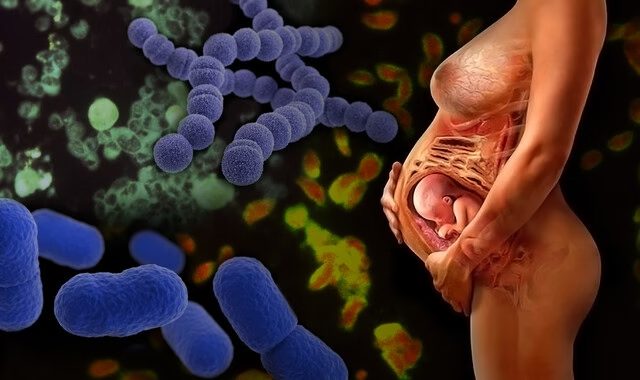
Pregnancy is a time when your body goes through profound changes, including shifts in immunity that can make you more vulnerable to certain infections. While many infections are mild and manageable, some can affect the developing baby and lead to complications if left untreated. Understanding infections during pregnancy, their causes, symptoms, and prevention can help you stay informed and protect both maternal and fetal health.
What Are Infections During Pregnancy?
Infections during pregnancy refer to illnesses caused by bacteria, viruses, parasites, or fungi that occur while a woman is pregnant. These infections can be:
- Pre-existing before pregnancy
- Acquired during pregnancy
- Reactivated due to immune changes
Some infections are harmless, while others may lead to complications such as miscarriage, preterm birth, or fetal infection.
Why Pregnant Women Are More Susceptible
During pregnancy, the immune system adapts to support the growing fetus. This altered immunity can:
- Reduce the body’s ability to fight certain pathogens
- Increase vulnerability to viral and bacterial infections
- Make some infections more severe than usual
Hormonal changes also affect the vaginal environment, increasing the risk of conditions like yeast infections, especially in the third trimester.
Common Types of Infection in Pregnancy
Bacterial Infections
Bacteria during pregnancy can cause several complications if untreated. Common examples include:
- Urinary tract infections
- Bacterial vaginosis
- Group B Streptococcus infection
Possible effects:
- Preterm labor
- Low birth weight
- Uterine infection in pregnancy
Viral Infections
Viruses during pregnancy can sometimes cross the placenta and infect the fetus.
Common viral infections include:
- Rubella
- Cytomegalovirus
- Herpes Simplex
- Hepatitis B
Possible risks:
- Birth defects
- Developmental delays
- Miscarriage
Parasitic Infections
One of the most well-known parasitic infections is:
It can spread through:
- Undercooked meat
- Contaminated soil
- Cat litter
Effects on fetus infection:
- Brain damage
- Vision problems
- Miscarriage
Fungal Infections
Fungal infections are common, especially in later stages of pregnancy.
- Yeast infection during pregnancy third trimester is particularly frequent due to hormonal changes
Symptoms include:
- Itching
- Thick white discharge
- Irritation
Though usually not dangerous, untreated infections can cause discomfort and complications during delivery.
TORCH Infections in Pregnancy
The term TORCH in pregnancy refers to a group of infections that can severely affect fetal development.
TORCH stands for:
- Toxoplasmosis
- Other infections (such as syphilis, varicella)
- Rubella
- Cytomegalovirus
- Herpes Simplex
These infections are particularly dangerous because they can pass from mother to baby and lead to:
- Congenital abnormalities
- Neurological disorders
- Stillbirth
Symptoms of Infection in Pregnancy
Symptoms vary depending on the type of infection, but common warning signs include:
- Fever
- Fatigue
- Vaginal discharge
- Burning during urination
- Abdominal pain
- Skin rashes
- Flu-like symptoms
In some cases, infections may be asymptomatic, making routine screening essential.
Effects of Infection in Pregnancy
The effect of infection in pregnancy depends on:
- Type of infection
- Stage of pregnancy
- Severity of illness
Possible Complications
- Miscarriage
- Preterm labor
- Low birth weight
- Birth defects
- Fetal infection
- Stillbirth
Early detection and treatment significantly reduce risks.
Uterine Infection in Pregnancy
A uterine infection in pregnancy, also known as intrauterine infection, occurs when bacteria invade the uterus.
Causes:
- Untreated vaginal infections
- Prolonged labor
- Premature rupture of membranes
Symptoms:
- Fever
- Rapid heart rate
- Abdominal tenderness
- Foul-smelling discharge
This condition requires immediate medical attention to prevent complications for both mother and baby.
Yeast Infection During Pregnancy Third Trimester
A 3rd trimester yeast infection is common due to increased estrogen levels.
Why It Happens
- Hormonal changes alter vaginal pH
- Increased sugar levels in vaginal secretions
- Reduced immunity
Symptoms
- Intense itching
- Burning sensation
- Thick white discharge
Is It Dangerous?
- Generally not harmful to the baby
- May cause discomfort during delivery
- Can be passed to the baby during birth in rare cases
Treatment is usually safe with doctor-approved antifungal medications.
How Infections Spread to the Fetus
Fetus infection can occur through:
- Placental transfer
- During labor and delivery
- Ascending infection from the vagina
Timing matters:
- First trimester infections may cause miscarriage or birth defects
- Later infections may lead to growth issues or preterm birth
Diagnosis of Infections in Pregnancy
Doctors use several methods to detect infection:
- Blood tests
- Urine tests
- Vaginal swabs
- Ultrasound scans
Routine prenatal screening plays a crucial role in early detection.
Treatment of Infection and Pregnancy
Treatment depends on the cause of infection.
Common Approaches
- Antibiotics for bacterial infections
- Antiviral medications for viral infections
- Antifungal treatments for yeast infections
Important considerations:
- Only pregnancy-safe medications should be used
- Self-medication should be avoided
- Follow the full course of treatment
Prevention of Infections During Pregnancy
Preventing infection is one of the most effective ways to protect both mother and baby.
Hygiene Practices
- Wash hands regularly
- Avoid contact with sick individuals
- Maintain personal hygiene
Food Safety
- Avoid raw or undercooked meat
- Wash fruits and vegetables thoroughly
- Avoid unpasteurized dairy products
Lifestyle Measures
- Practice safe sex
- Avoid handling cat litter
- Stay updated on vaccinations
Regular Checkups
- Attend prenatal visits
- Get recommended screenings
- Report unusual symptoms immediately
When to See a Doctor
Seek medical attention if you experience:
- Persistent fever
- Severe abdominal pain
- Unusual vaginal discharge
- Painful urination
- Reduced fetal movement
Early care can prevent serious complications.
Final Thoughts
Infections during pregnancy are common but manageable with proper care, awareness, and timely treatment. While some infections are mild, others can have serious consequences if ignored. Understanding the risks, recognizing symptoms, and following preventive measures can help ensure a healthy pregnancy journey.
If you ever feel unsure about symptoms or risks, it’s always best to consult a healthcare provider promptly.