
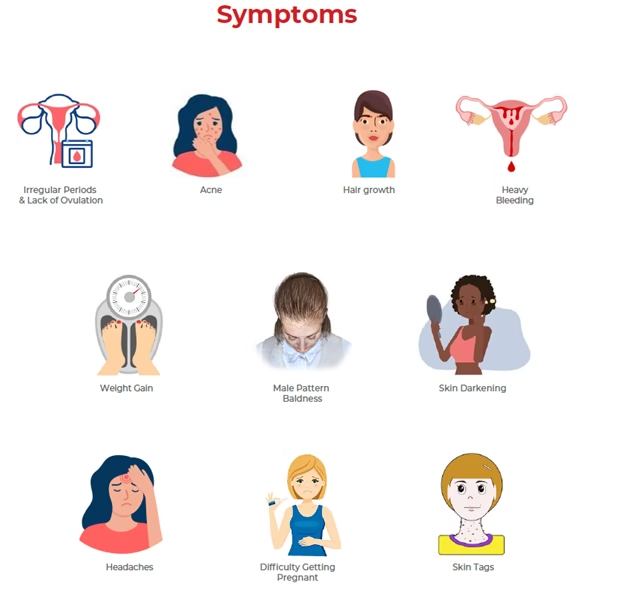
Polycystic Ovary Syndrome is often discussed in terms of irregular periods, acne, and excess hair growth. While those are well-known signs, many people experience a quieter, more confusing side of the condition. These subtle changes are easy to dismiss or misinterpret, which is why so many cases go undiagnosed for years.
Understanding the hidden symptoms of PCOS can help you connect the dots earlier and take informed steps toward diagnosis and management.
Why PCOS Symptoms Can Be Misleading
PCOS does not present the same way in everyone. Some people have obvious reproductive symptoms, while others mainly experience metabolic or neurological issues.
Because of this variation:
- Symptoms may appear unrelated
- You might consult different specialists for each issue
- Diagnosis can be delayed or missed entirely
This is why recognizing uncommon PCOS symptoms matters just as much as knowing the classic ones.
Hidden Symptoms of PCOS You Should Not Ignore
Chronic Headaches and Occasional Migraines
Many people with PCOS report frequent headaches or migraines without realizing the link.
- Hormonal fluctuations can trigger headaches
- Insulin resistance may affect blood sugar stability, leading to migraines
- Stress and inflammation also play a role
If you experience recurring headaches alongside other subtle symptoms, it is worth exploring further.
Thin, Paper-Like Fingernails
This is one of the least discussed signs.
- Hormonal imbalance may affect nutrient absorption
- Deficiencies in iron, biotin, or protein can weaken nails
- Chronic inflammation may also impact nail health
If your nails break easily or feel unusually thin, it could reflect underlying hormonal or metabolic imbalance.
Persistent Weight Gain Despite Healthy Eating
This can be incredibly frustrating and often misunderstood.
- Insulin resistance makes it harder for the body to use glucose efficiently
- The body stores more fat even with balanced eating
- Weight may increase primarily around the abdomen
This is not about lack of discipline. It is a biological response that requires a targeted approach.
Constant Fatigue Without Clear Reason
You may feel tired even after adequate sleep.
- Blood sugar fluctuations can drain energy
- Hormonal imbalance affects sleep quality
- Low-grade inflammation can contribute to fatigue
This kind of fatigue often feels persistent and difficult to explain.
Mood Swings and Low Motivation
Emotional changes are frequently overlooked.
- Hormones directly affect neurotransmitters
- Anxiety and mild depression are common
- You may feel irritable or emotionally drained
These changes are not “just stress” and deserve attention.
Dark Patches of Skin
Often seen on the neck, underarms, or inner thighs.
- Known as acanthosis nigricans
- Linked to insulin resistance
- Skin may feel thicker or velvety
This is one of the clearer metabolic indicators of PCOS.
Sleep Issues
You might struggle with:
- Difficulty falling asleep
- Waking up frequently
- Feeling unrested
Sleep disturbances can worsen hormonal imbalance, creating a cycle that is hard to break.
Digestive Problems
Some people experience:
- Bloating
- Slow digestion
- Food sensitivities
Gut health and hormonal balance are closely connected, and disruptions in one often affect the other.
Hair Thinning Instead of Hair Growth
While excess hair growth is common, some experience the opposite.
- Hair thinning on the scalp
- Increased hair shedding
- Reduced hair volume over time
This can be confusing because it contradicts the typical expectation of PCOS symptoms.
How Do I Confirm I Don’t Have PCOS
If you suspect something is off, getting clarity is important.
Medical Evaluation
A proper diagnosis usually involves:
- Medical history review
- Symptom assessment
- Physical examination
PCOS Test Options
Doctors may recommend:
- Blood tests to check hormone levels
- Ultrasound to examine ovaries
- Glucose and insulin testing
There is no single test that confirms PCOS. Diagnosis is typically based on a combination of findings.
When to Seek Help
Consider consulting a doctor if you notice:
- Multiple unexplained symptoms
- Irregular cycles
- Ongoing weight or metabolic issues
- Persistent fatigue or mood changes
Early evaluation can prevent long-term complications.
Can You Have PCOS Without Classic Symptoms
Yes, and this is more common than many realize.
Some individuals:
- Have regular periods but still experience hormonal imbalance
- Show metabolic symptoms without visible ovarian cysts
- Experience only subtle or uncommon symptoms
This is why awareness of hidden symptoms of PCOS is so important.
How to Manage PCOS Naturally and Effectively
While there is no one-size-fits-all solution, many people manage symptoms successfully with lifestyle changes.
Nutrition
- Focus on whole, unprocessed foods
- Include protein in every meal
- Reduce refined sugars and high glycemic foods
Physical Activity
- Combine strength training with moderate cardio
- Aim for consistency rather than intensity
Stress Management
- Practice mindfulness or relaxation techniques
- Maintain a balanced daily routine
Sleep
- Prioritize regular sleep patterns
- Avoid screen exposure before bedtime
How to Cure PCOS Permanently
This is a common question, but it needs clarity.
PCOS is considered a long-term condition rather than something that can be permanently cured. However:
- Symptoms can be managed effectively
- Hormonal balance can improve significantly
- Many people live symptom-free with the right approach
Think of it as control rather than cure.
Final Thoughts
The hidden symptoms of PCOS often go unnoticed because they do not fit the typical pattern. Chronic headaches, nail changes, unexplained weight gain, and fatigue might seem unrelated at first, but together they can tell a bigger story.
If something feels off in your body, trust that instinct. Connecting these subtle signs early can make a significant difference in how you manage your health moving forward.
FAQs
What are the hidden symptoms of PCOS?
Hidden symptoms include chronic headaches, fatigue, thin nails, unexplained weight gain, mood changes, and sleep disturbances.
Can I have PCOS without irregular periods?
Yes, some people have regular cycles but still experience hormonal imbalance and other symptoms.
How do I confirm I don’t have PCOS?
You need medical evaluation including symptom review, blood tests, and sometimes an ultrasound to rule it out.
What is the best test for PCOS?
There is no single test. Diagnosis usually involves hormone testing, imaging, and clinical symptoms.
Can PCOS cause migraines?
Yes, hormonal fluctuations and insulin resistance can contribute to headaches and migraines.
Is PCOS curable permanently?
PCOS is not permanently curable, but symptoms can be managed effectively with lifestyle changes and medical support.