Many women notice changes in their body shape and wonder if it’s just weight gain or something deeper. One of the most confusing areas is abdominal fat. The difference between a PCOS belly and a normal belly is not just about appearance — it often reflects underlying hormonal and metabolic changes.
Understanding this distinction can help you take early action, improve your health, and avoid long-term complications.
What Is a PCOS Belly?
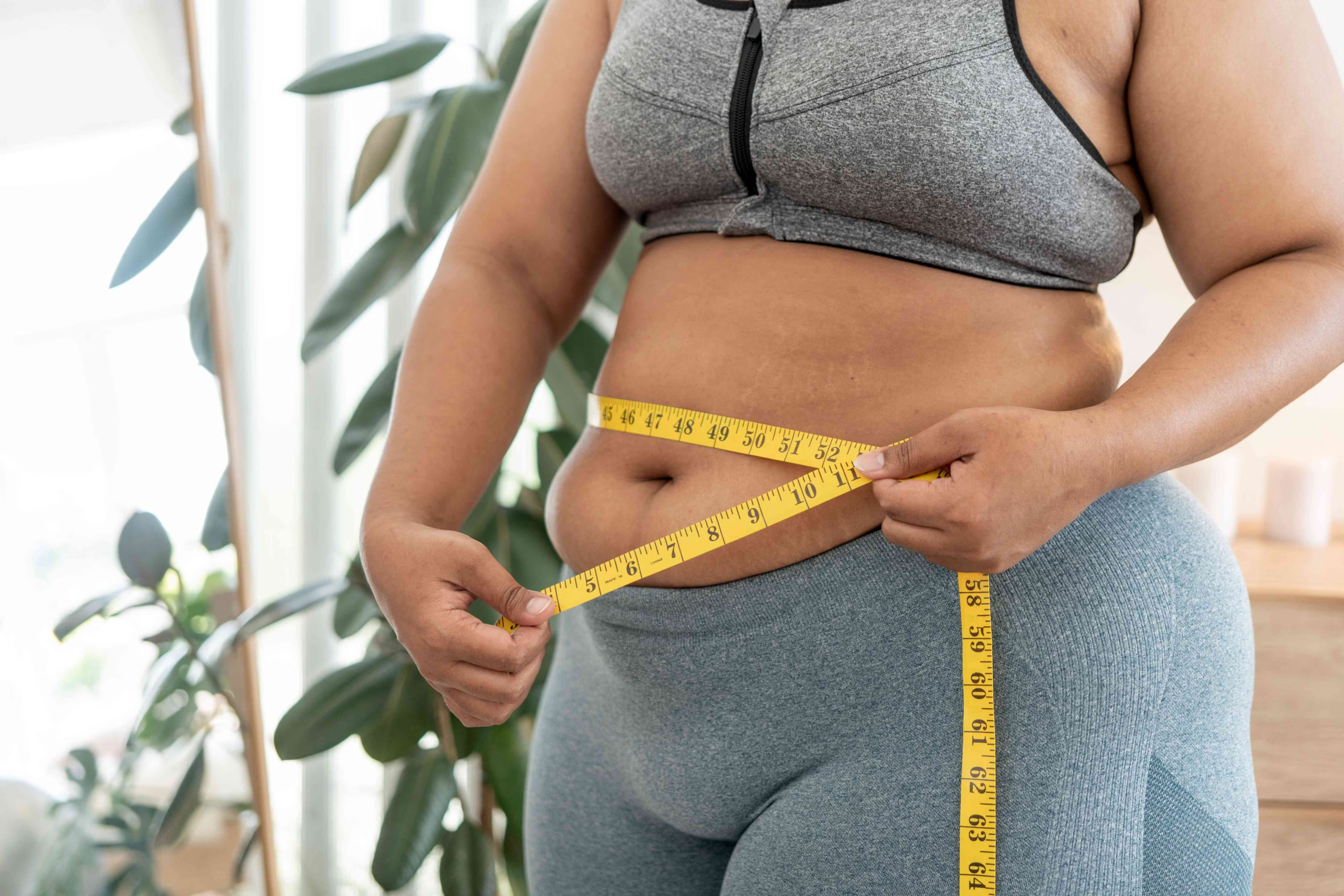
A PCOS belly refers to a specific pattern of fat accumulation commonly seen in women with Polycystic Ovary Syndrome. Unlike general weight gain, this fat tends to collect around the lower abdomen and midsection due to hormonal imbalance and insulin resistance.
It is not always linked to overall obesity. Even women who appear slim can develop this type of belly.
PCOS Belly Shape vs Normal Belly
Normal Belly
A normal belly can vary depending on body type, genetics, and lifestyle. However, typical characteristics include:
- Fat distribution is more even across the body
- Belly fat is usually soft and spread out
- Changes gradually with diet or exercise
- No persistent bloating or firmness
PCOS Belly
A PCOS belly has some distinct features:
- Fat is concentrated around the lower abdomen
- Belly appears round, firm, and sometimes hard
- Often described as an “apple-shaped” body
- Difficult to lose despite dieting or workouts
- May feel bloated most of the time
The key difference is that a PCOS belly is hormonally driven, not just lifestyle-related.
What Does PCOS Belly Look Like?
Women often describe PCOS belly as:
- A protruding lower belly even when the rest of the body is lean
- A bloated, swollen appearance that does not fluctuate much
- A firm or dense feeling rather than soft fat
- Waistline expansion without significant weight gain elsewhere
This can sometimes be mistaken for poor posture, digestive issues, or simple fat gain.
PCOS Belly vs Pregnant Belly
This is a common confusion, especially in early stages.
PCOS Belly
- Located mainly in the lower abdomen
- Feels firm but not stretched
- No upward growth toward the ribcage
- Does not follow a predictable growth pattern
- No associated pregnancy symptoms
Pregnant Belly
- Gradually grows upward and outward
- Feels tight and stretched
- Shape becomes more rounded over time
- Accompanied by symptoms like nausea, missed periods, fatigue
If there is any doubt, taking a pregnancy test is always the safest step.
PCOS Belly Symptoms
A PCOS belly is often accompanied by other symptoms that indicate hormonal imbalance.
- Persistent bloating
- Difficulty losing abdominal fat
- Irregular periods
- Acne or oily skin
- Excess facial or body hair
- Fatigue and low energy
- Cravings for sugar or carbs
These symptoms together help differentiate PCOS from simple weight gain.
PCOS Belly on a Skinny Person
One of the most overlooked signs is PCOS belly in women who are otherwise slim.
This condition is sometimes called “lean PCOS.”
- Body weight appears normal
- Arms and legs are slim
- Only the abdominal area looks enlarged
- Often ignored because BMI is normal
This makes diagnosis harder, as many assume PCOS only affects overweight individuals.
Why Does PCOS Belly Happen?
The root causes are mainly hormonal and metabolic.
Insulin Resistance
- The body struggles to use insulin effectively
- Leads to higher insulin levels
- Promotes fat storage, especially in the abdomen
High Androgens
- Male hormones are elevated
- Causes fat redistribution
- Contributes to belly fat and other symptoms
Chronic Inflammation
- Low-grade inflammation affects metabolism
- Makes fat loss more difficult
Cortisol Imbalance
- Stress hormone increases
- Encourages abdominal fat storage
These factors work together, making PCOS belly more stubborn than normal belly fat.
PCOS Belly Pictures – What to Expect
While images can help visualize the difference, it’s important to understand that every body is unique.
Typical visual cues include:
- Round, protruding lower abdomen
- Minimal fat on arms and legs
- Waist appears thicker compared to hips
- Belly looks bloated even in the morning
Instead of relying only on pictures, focus on symptoms and medical evaluation.
PCOS Belly Treatment
The good news is that PCOS belly can be managed with the right approach. It requires consistency rather than quick fixes.
Diet Changes
- Focus on low glycemic foods
- Increase protein and fiber intake
- Reduce processed sugar and refined carbs
- Include healthy fats like nuts and seeds
Exercise
- Strength training improves insulin sensitivity
- Walking and light cardio help reduce belly fat
- Avoid over-exercising, which can increase stress hormones
Stress Management
- Practice yoga or meditation
- Maintain a consistent sleep routine
- Reduce screen time before bed
Medical Support
- Doctors may prescribe medications for insulin resistance
- Hormonal therapy may be recommended in some cases
Lifestyle Consistency
- Regular meal timings
- Staying hydrated
- Tracking symptoms and progress
There is no one-size-fits-all solution, but gradual improvements make a big difference.
PCOS Belly Before and After
Changes in PCOS belly do not happen overnight. However, many women notice significant improvements over time.
Before
- Constant bloating
- Hard, protruding belly
- Low energy levels
- Difficulty losing weight
After
- Reduced bloating
- Flatter, softer abdomen
- Improved energy
- Better hormonal balance
The key is consistency rather than perfection.
When Should You Be Concerned?
If you notice the following signs, it’s worth consulting a doctor:
- Sudden increase in abdominal size
- Irregular or missed periods
- Persistent acne or hair growth
- Difficulty losing weight despite efforts
Early diagnosis can prevent complications like diabetes and fertility issues.
Final Thoughts
The difference between a PCOS belly and a normal belly goes beyond appearance. It reflects how your body is functioning internally.
Ignoring the signs can delay diagnosis and treatment. Paying attention, understanding your body, and taking small steps toward better health can lead to long-term improvements.
FAQs
What is the main difference between PCOS belly and normal belly?
PCOS belly is caused by hormonal imbalance and insulin resistance, while normal belly fat is usually due to diet and lifestyle factors.
Can you have a PCOS belly without being overweight?
Yes, even slim women can develop a PCOS belly due to hormonal changes.
Is PCOS belly hard or soft?
It is often described as firm or dense compared to regular soft belly fat.
How do I reduce PCOS belly naturally?
Focus on a balanced diet, regular exercise, stress management, and proper sleep.
Does PCOS belly go away completely?
It can improve significantly with consistent lifestyle changes, but it requires ongoing management.