You’ve been dealing with stubborn breakouts for months. You’ve tried every cleanser and spot treatment. Still, the cysts keep coming back — especially around your chin and jaw. Sound familiar?
If you’ve been researching your skin issues, you’ve likely come across two terms: PCOS acne and hormonal acne. People often use these terms like they mean the same thing. But they don’t — at least not entirely.
Understanding the difference between PCOS acne vs hormonal acne can genuinely change how you approach your skin. Let’s break it down clearly.
What Is Hormonal Acne?
Hormonal acne is a broad term. It refers to any acne triggered or worsened by hormonal changes in your body. This includes fluctuations in estrogen, progesterone, and androgens (like testosterone).
Almost every woman experiences hormonal acne at some point. It’s especially common during:
- The week before your period
- Puberty and teenage years
- Pregnancy or postpartum
- Perimenopause
- Starting or stopping birth control
In hormonal acne, the root cause is usually a temporary spike or drop in hormones. Once the hormonal event passes — like after your period — the breakout tends to calm down.
| KEY IDEA
Hormonal acne is a category. PCOS acne is a specific type within that category — with a distinct medical cause. |
Where does hormonal acne usually appear?
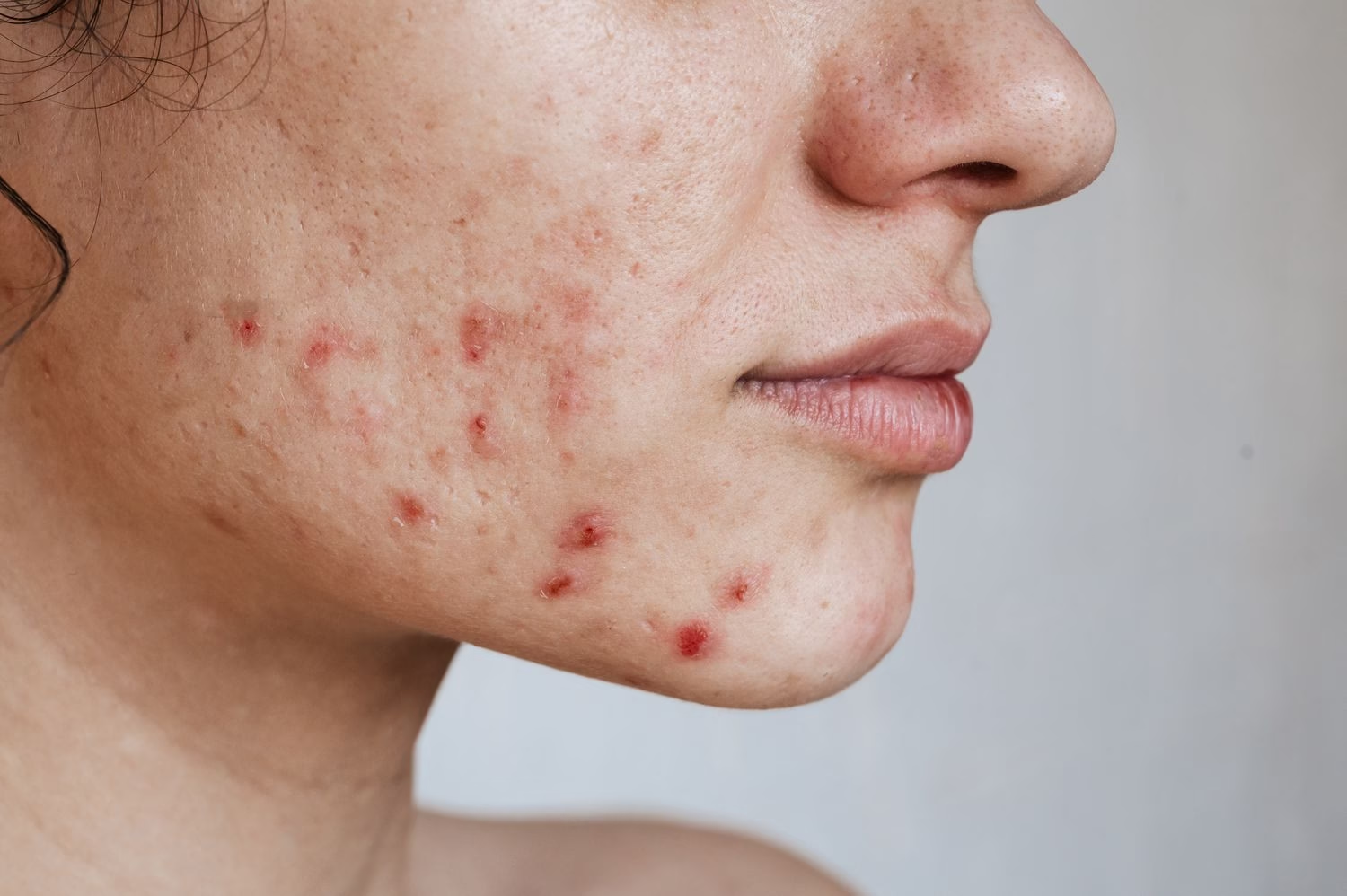
Hormonal acne tends to cluster in specific areas because androgen receptors are dense there. Common spots include: jawline, chin, lower cheeks, neck, and upper back.
The breakouts are often deep, cystic, and painful. They don’t respond well to regular acne washes. That’s because the problem starts under the skin, not on the surface.
What Is PCOS Acne?
PCOS stands for Polycystic Ovary Syndrome. It’s a hormonal disorder that affects roughly 1 in 10 women of reproductive age. PCOS disrupts your body’s hormone balance in a specific, ongoing way.
In PCOS, the ovaries produce excess androgens. This leads to persistently elevated testosterone-like hormones. These hormones signal your skin’s oil glands to produce more sebum (oil). More oil means more clogged pores — and more acne.
The key difference from regular hormonal acne? The hormonal imbalance in PCOS doesn’t just spike and pass. It’s ongoing and systemic. Without treating the underlying condition, the acne keeps coming back — regardless of what skincare products you use.
Other symptoms that come with PCOS
PCOS acne rarely shows up alone. It usually comes alongside other signs, such as:
- Irregular or missed periods
- Excess hair on the face, chest, or stomach (hirsutism)
- Hair thinning or loss on the scalp
- Weight gain, especially around the midsection
- Difficulty losing weight
- Skin darkening in neck folds or underarms
- Fatigue and mood changes
If your acne comes with several of these signs, it’s worth speaking with a doctor or gynecologist about testing for PCOS.
PCOS Acne vs Hormonal Acne: Side-by-Side
Here’s a clear comparison to help you understand how these two types differ:
| Factor | Hormonal Acne | PCOS Acne |
| Root cause | Temporary hormone fluctuations | Chronic elevated androgens from PCOS |
| Pattern | Often cyclic, linked to menstrual cycle | Persistent, not tied to cycle phases |
| Location | Jawline, chin, lower face | Jawline, chin — often more severe |
| Severity | Mild to moderate | Moderate to severe; often cystic |
| Other symptoms | Usually none beyond acne | Irregular periods, hair changes, weight gain |
| Diagnosis | Clinical; based on skin pattern | Blood tests, ultrasound, medical diagnosis |
| Treatment focus | Topical + hormonal options | Must address underlying PCOS |
| Responds to skincare? | Partially, with the right products | Minimally; needs medical management |
How to Tell Which One You Have
Honestly, you can’t always tell just by looking in the mirror. Both types look similar on the skin. But there are some clues worth paying attention to.
Signs it might be regular hormonal acne
- Breakouts worsen in the week before your period
- Your cycle is regular and predictable
- Acne clears up on its own after your period
- You have no other hormonal symptoms
- Breakouts started during puberty or while using/stopping birth control
Signs it might be PCOS acne
- Your periods are irregular, infrequent, or absent
- You have unwanted facial or body hair
- Your acne doesn’t improve even with consistent treatment
- You have hair thinning at the scalp
- You’ve noticed unexplained weight gain
- Multiple family members have PCOS
| IMPORTANT
Only a doctor can diagnose PCOS. They’ll typically check hormone levels (LH, FSH, testosterone, insulin) and may request an ovarian ultrasound. Don’t self-diagnose based on symptoms alone. |
Treatment: Where They’re Different
This is where the distinction really matters. Treating the wrong type of acne wastes your time — and money.
Treating regular hormonal acne
Regular hormonal acne responds better to standard dermatological treatments. Common options include:
- Topical retinoids (like tretinoin) to improve cell turnover
- Salicylic acid or benzoyl peroxide for surface-level clearing
- Hormonal birth control to regulate estrogen and progesterone
- Low-dose spironolactone to block androgen effects on the skin
- Niacinamide serums to reduce inflammation and oil
These approaches address the hormonal fluctuations at the surface or through regulated hormonal input.
Treating PCOS acne
PCOS acne needs a two-track approach: treating the skin and managing PCOS itself. Skincare alone rarely works long-term. Medical treatment options may include:
- Spironolactone — blocks excess androgen activity on the skin
- Metformin — improves insulin sensitivity, which indirectly lowers androgens
- Combined oral contraceptives — help regulate hormones in some PCOS patients
- Anti-androgen medications prescribed by an endocrinologist or gynecologist
Diet and lifestyle changes also play a meaningful role. Research shows that reducing refined carbohydrates and sugar can lower insulin levels, which in turn reduces androgen production in PCOS.
Diet tips for PCOS-related acne
- Reduce high-glycemic foods (white bread, sugary drinks, processed snacks)
- Add anti-inflammatory foods like leafy greens, fatty fish, and berries
- Include zinc-rich foods — pumpkin seeds, chickpeas, lentils
- Limit dairy if you notice it worsens breakouts
- Stay hydrated and maintain consistent meal timing
Skincare Tips That Help Both Types
Regardless of which type you have, a gentle, consistent skincare routine matters. Here’s what works across the board:
- Use a gentle, non-comedogenic cleanser twice daily
- Don’t over-wash — it strips the skin and triggers more oil production
- Apply a lightweight, oil-free moisturizer even if your skin feels oily
- Use SPF 30+ daily — sun exposure can darken acne scars
- Avoid heavy, pore-clogging foundations or concealers
- Don’t pick or squeeze cysts — it worsens scarring and spreads bacteria
- Look for ingredients like niacinamide, azelaic acid, and zinc
One thing to keep in mind: if your acne is consistently painful, cystic, or spreading, see a dermatologist. These cases go beyond what over-the-counter products can fix.
When to See a Doctor
Many people wait far too long before seeking medical help for hormonal acne. Here are clear signs that it’s time to book an appointment:
- Acne has persisted for more than 3 months without improvement
- You’re getting deep, painful cysts that leave scars
- Your periods are irregular or you’ve missed cycles
- You’re noticing unusual hair growth or hair loss
- OTC treatments haven’t made any difference
- Your acne is affecting your mental health or confidence
A dermatologist can help with skin-focused treatment. An endocrinologist or gynecologist will be better suited if PCOS is suspected. In many cases, you’ll need both.
The Bottom Line
Here’s the simplest way to think about this: all PCOS acne is hormonal acne, but not all hormonal acne is PCOS acne.
Hormonal acne is a broad description of breakouts caused by any kind of hormonal shift. PCOS acne is a specific, medically-rooted condition that needs a targeted approach beyond skincare alone.
If you’ve been fighting the same breakouts for months — especially with other symptoms — don’t just throw more products at your skin. Get your hormones checked. The right diagnosis leads to the right treatment. And the right treatment actually works.
Your skin deserves more than guesswork.
FAQs
Is PCOS acne the same as hormonal acne?
Not exactly. All PCOS acne is hormonal in nature, but not all hormonal acne comes from PCOS. Hormonal acne can be caused by menstrual cycles, stress, or birth control changes. PCOS acne specifically results from a medical condition that causes chronically elevated androgens.
Can you have PCOS without acne?
Yes. PCOS affects people differently. Some women with PCOS never develop acne, while others deal with severe breakouts. Acne is one possible symptom — not a requirement for diagnosis.
What does PCOS acne look like compared to regular acne?
PCOS acne is often deep, cystic, and concentrated on the lower face — particularly the jaw and chin. It tends to be more persistent and severe than standard hormonal breakouts, and it doesn’t follow the typical pre-period pattern.
Can diet really help with PCOS acne?
Yes, to a meaningful degree. A low-glycemic diet helps lower insulin levels, which can reduce androgen production in the body. This doesn’t replace medical treatment, but it can complement it effectively.
Which doctor should I see for PCOS acne?
Start with your primary care doctor or gynecologist for a PCOS diagnosis. For skin-focused treatment, a dermatologist is your best resource. Ideally, managing PCOS acne involves both specialists working together.