Categories
Fertility

PCOS and Anovulation: Why Ovulation Becomes Unpredictable

When Your Ovulation Clock Doesn’t Follow a Schedule

Picture this. You expect your period every 28 to 30 days. One month it shows up after 35 days. The next month it takes 50. Sometimes it skips completely.

If that sounds familiar, you are not alone. For many women with PCOS, this pattern means more than a messy calendar. It may mean your body is not releasing an egg on a regular basis.

So, why does PCOS stop ovulation? In short, hormones, insulin, and tiny follicles all send mixed signals to each other.

Ovulation is the monthly release of an egg from an ovary. Without it, pregnancy cannot happen that cycle. Predictable ovulation also helps you time sex and read your body’s signals.

In this post, you will learn how ovulation works and what goes wrong with PCOS. You will also learn how to spot the signs, confirm ovulation, and know when to get help. This article is part of our complete guide to female fertility.

What Is Anovulation, and How Is It Different From Irregular Ovulation?

These terms sound alike, but they mean different things. Let’s sort them out first.

What happens during normal ovulation?

Each month, your brain signals the ovaries to grow follicles. Follicles are tiny fluid-filled sacs that each hold an egg.

Here is the usual order of events:

  1. Several follicles start to grow.
  2. One follicle takes the lead and becomes dominant.
  3. A surge of luteinizing hormone (LH) tells that follicle to release its egg.
  4. The egg enters the fallopian tube and waits for sperm.

What does anovulation mean?

Anovulation means your ovary does not release an egg during a cycle. You may still have bleeding. You may even feel some symptoms. But no egg leaves the ovary.

Is irregular ovulation the same as anovulation?

No. Here is the difference:

  • Regular ovulation: You release an egg in a fairly predictable pattern.
  • Irregular ovulation: You do release an egg, but the timing swings from month to month.
  • Anovulation: You release no egg in that cycle.

Many women with PCOS move between all three. One month they ovulate late. The next month they skip it. That is why PCOS feels so unpredictable.

Why Does PCOS Stop Ovulation? Understanding the Hormonal Connection

Now we get to the heart of it. PCOS does not switch off your ovaries. Instead, several systems get out of sync. Doctors call this a hormonal imbalance, but it works more like a chain reaction.

  1. Insulin resistance raises insulin levels.
  2. High insulin pushes the ovaries to make more androgens.
  3. Extra androgens and altered LH and FSH signals disrupt follicle growth.
  4. Follicles stall, and no egg is released.

Let’s break down each link.

  1. Insulin resistance can disrupt ovarian hormone activity

Insulin is a hormone that helps your cells use sugar from food. With insulin resistance, your cells respond poorly. Your body then makes extra insulin to compensate.

Here is the catch. Your ovaries still listen to insulin, even when other cells ignore it. High insulin levels can nudge the ovaries to produce more androgens.

Those extra androgens get in the way of normal follicle growth. That can delay ovulation or stop it for a cycle.

Not every woman with PCOS has insulin resistance. But it is common, even in women with a lean body type.

  1. Higher androgen levels interfere with follicle development

Androgens are often called male hormones. Every woman makes small amounts. They play a role in energy, mood, and the building of other hormones.

With PCOS, androgen activity runs higher. Follicles need a balanced hormone environment to mature. Too many androgens can disrupt that balance.

The result? Follicles begin to grow but struggle to finish the job. They may never reach the size needed to release an egg.

  1. Altered LH and FSH signals affect follicle maturation

Two brain hormones guide your ovaries each month:

  • FSH (follicle-stimulating hormone) helps follicles grow.
  • LH (luteinizing hormone) triggers the egg release.

In PCOS, the signals between the brain and ovaries can shift. LH may run higher than usual. FSH may not rise enough to push one follicle to the finish line.

You may hear about the “LH to FSH ratio.” Doctors do not use this ratio alone to diagnose PCOS. It varies too much from woman to woman.

  1. Follicles may not develop normally

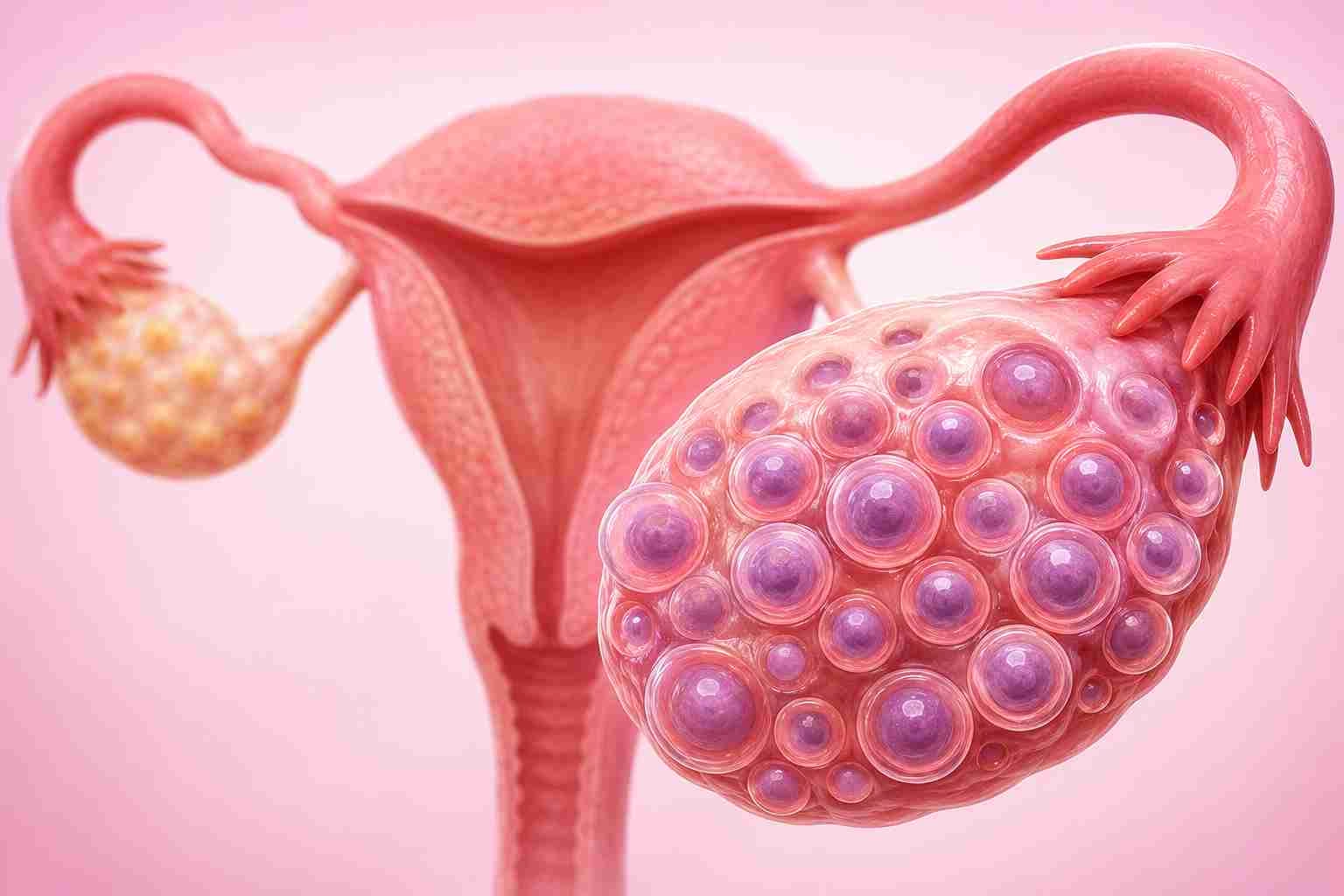
Many women with PCOS have lots of small follicles. They start to grow, then stall. Doctors call this follicular arrest.

Picture a crowded start line where no runner breaks free. The follicles are there, but none becomes dominant. So no egg gets released.

One more important point. PCOS looks different in every woman. Hormone patterns vary. The ovaries have not “stopped working.” They are getting mixed messages, and the pattern changes from person to person.

What Happens to Your Menstrual Cycle When You Don’t Ovulate?

Your cycle follows your hormones. When ovulation goes off track, your periods follow.

Why do periods become irregular?

When ovulation comes late, your next period comes late too. Take a woman who ovulates on day 16 one month. The next month her follicle needs until day 40. Her cycles will swing from 30 days to 54 days. That is normal for PCOS, even if it feels strange.

Why might periods disappear for months?

Sometimes a follicle never matures. Then your hormones do not follow their usual pattern, and your period may not come at all. Doctors call a long gap without periods amenorrhea. If you miss your period for around 90 days or more, get it checked.

Can you bleed without ovulating?

Yes. This surprises many women. Your uterine lining builds up under the influence of estrogen. At some point, it can break down and bleed, even with no egg released.

So a period does not prove you ovulated. This is called anovulatory bleeding. It may look like a normal period, or it may be heavier or lighter.

Why can long gaps between periods matter?

Without ovulation, your body does not make progesterone. Progesterone normally balances estrogen and keeps the uterine lining in check.

When you go months without a period, the lining can keep thickening under estrogen alone. Over time, this can raise the risk of endometrial hyperplasia, which means an overgrown lining. That is one more reason to see a doctor about very long gaps.

Signs That PCOS May Be Affecting Your Ovulation

Not sure if this applies to you? Look for these common signs:

  • Periods that often come more than 35 days apart
  • Fewer than eight periods in a year
  • Missing periods for several months
  • Trouble predicting your fertile days
  • Ovulation signs that come and go, or never show up
  • Difficulty conceiving despite regular attempts

Important: Regular periods do not always guarantee ovulation. Irregular periods also do not prove that every cycle lacks ovulation. Only proper tracking or testing can tell you for sure.

Other PCOS symptoms may show up too. These include acne, extra hair growth, and thinning hair on the scalp. Not everyone has them, though.

How Can You Tell If You’re Ovulating With PCOS?

This is where many women get stuck. Here are five tools, from simplest to most reliable.

  1. Track your menstrual cycle

Write down the first day of each period. Over a few months, patterns appear. Cycle tracking cannot confirm ovulation. But it shows how irregular your cycles really are, which helps your doctor.

  1. Watch your cervical mucus

Around your fertile window, mucus often turns clear, slippery, and stretchy. It looks a bit like raw egg white. Seeing this suggests your body is preparing to ovulate. It does not prove an egg actually left the ovary.

  1. Know the limits of ovulation predictor kits

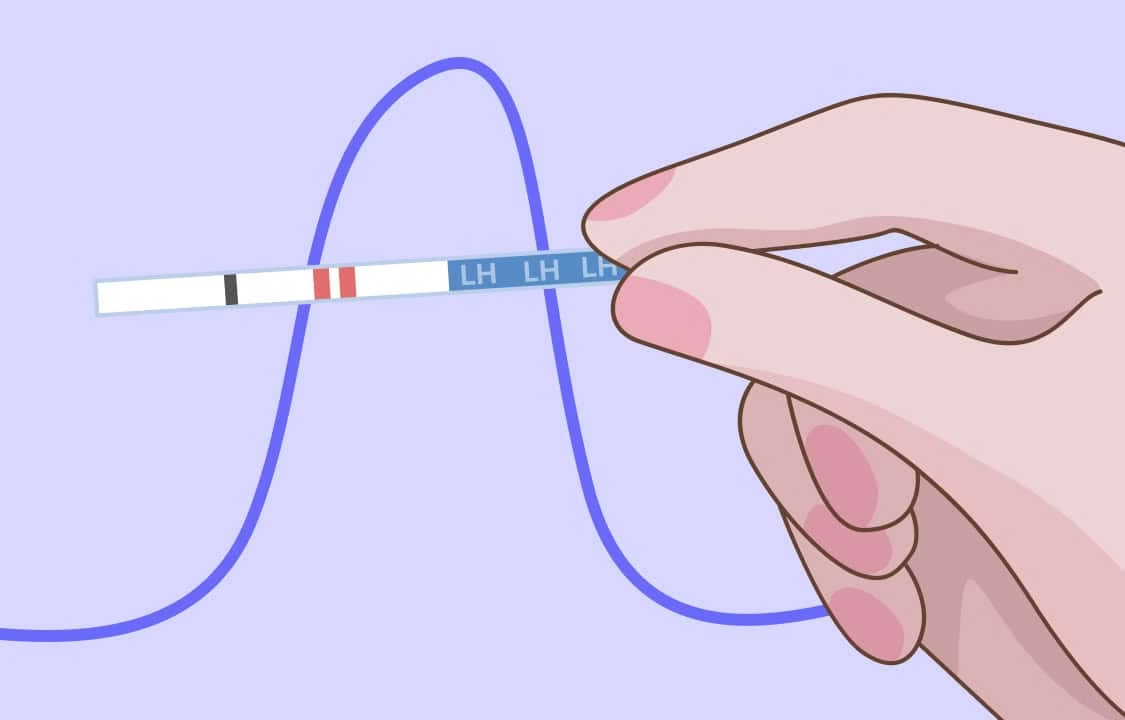
These kits detect LH in your urine. With PCOS, LH may run high throughout the month. That can cause faint lines, repeated positives, or confusing results. A positive test does not always mean you ovulated.

For a deeper look, read our guide on how to track ovulation with PCOS.

  1. Track your basal body temperature

Take your temperature every morning before you get out of bed. After ovulation, progesterone raises your temperature slightly. A lasting rise can show that ovulation likely happened. It confirms ovulation after the fact, not before.

  1. Ask about medical confirmation

Doctors have two main tools:

  • Serum progesterone test. This blood test checks for the progesterone rise after ovulation. Timing matters. Your doctor times it based on when you likely ovulated. A fixed calendar day does not work with irregular cycles.
  • Ultrasound follicle monitoring. Scans track follicle growth and show whether one releases an egg.

Does Anovulation With PCOS Mean You Cannot Get Pregnant?

No. But it does make natural conception harder in the cycles where no egg is released.

Here is what to keep in mind:

  • Some women with PCOS ovulate now and then.
  • Some have irregular cycles but still ovulate.
  • PCOS does not automatically mean permanent infertility.
  • Other factors matter too, including sperm health and open fallopian tubes.

Your odds depend on how often you ovulate. They also depend on your age and your partner’s health. We cover the numbers and what shapes them in our article on the chances of getting pregnant naturally with PCOS.

The takeaway here is hopeful. Anovulation is a problem doctors know how to treat.

Can You Restore Ovulation With PCOS? Evidence-Based Treatment Options

Yes, many women can. The right approach depends on your health, your goals, and your test results.

Lifestyle changes and metabolic health

Healthy habits can improve insulin levels and hormone balance. Start with these:

  • Eat balanced meals with protein, fiber, and whole grains.
  • Move your body regularly, such as brisk walking or strength training.
  • Get seven to nine hours of sleep.
  • Aim for gentle, sustainable weight management if your doctor advises it.

These steps support your metabolic and reproductive health. For some women, they bring ovulation back. For others, they do not. That is no failure on your part. PCOS is a medical condition, not a lack of effort.

Metformin and insulin resistance

Metformin is a medicine that helps your body use insulin better. Doctors often use it to treat the metabolic side of PCOS. In selected women, it may also help cycles become more regular. It does not work for everyone, and your doctor will decide whether it suits you.

Ovulation-inducing medications

Some medicines prompt your ovaries to release an egg. Your doctor may suggest:

  • Letrozole. The 2023 international PCOS guideline recommends it as the first-choice medicine for women with PCOS who struggle to conceive because of anovulation, when no other fertility factors exist.
  • Clomiphene citrate. An older, well-known option.
  • Other specialist options. These include injectable hormones, used under close supervision.

Please do not self-medicate. These medicines need a proper assessment and monitoring. Your doctor will check for other fertility factors first, and will also explain side effects and risks like twins.

When Should You See a Doctor for PCOS-Related Anovulation?

Book an appointment if any of these apply to you:

  • Your periods come more than 35 days apart most of the time.
  • You have fewer than eight cycles a year.
  • You go about 90 days or longer without a period.
  • You suspect you are not ovulating.
  • You want to conceive and have irregular or missing periods.

If you know your ovulation is irregular, you do not need to wait 12 months of trying. Many doctors advise an earlier visit. A quick check can save you months of guessing.

At your visit, your doctor may test your thyroid, prolactin, and androgen levels. They may also check blood sugar and other markers. These tests rule out other causes of missed periods, since several conditions can mimic PCOS.

Want to understand how cycle patterns affect fertility more broadly? Read our piece on irregular periods and female fertility.

Conclusion: Understanding Your Ovulation Is the First Step

PCOS can make ovulation unpredictable. But once you understand the hormones and insulin behind it, you can take clear steps forward.

You should not have to simply live with irregular periods, especially when trying to conceive. With the right evaluation and a plan built for you, ovulation can often improve.

Do not rely on symptoms or home tests alone. Talk with a qualified healthcare professional who can confirm what is happening in your body. For the bigger picture, head back to our complete guide to female fertility.

This article is for general education and is not medical advice. Please talk to your doctor about your own situation.

Frequently Asked Questions About PCOS and Anovulation

  1. Why does PCOS stop ovulation?

Insulin resistance, higher androgens, and altered LH and FSH signals disrupt follicle growth. Follicles stall, so no egg gets released. The exact mix differs from woman to woman.

  1. Can you have PCOS and still ovulate every month?

Yes. Some women with PCOS ovulate regularly. PCOS varies widely, and symptoms differ from person to person.

  1. Does PCOS mean you never release an egg?

No. Many women release eggs, just not on a predictable schedule. Some skip months, and some ovulate normally.

  1. Can you have a period without ovulating?

Yes. Anovulatory bleeding can look like a normal period. A period alone does not prove ovulation.

  1. How long can you go without ovulating with PCOS?

It varies. Some women skip a cycle or two. Others go many months. See a doctor if you go around 90 days without a period.

  1. Can ovulation return naturally with PCOS?

Sometimes. Healthy habits, weight changes, or time can bring it back for some women. Others need medical help.

  1. How do I know if I am ovulating with PCOS?

Combine tools. Track mucus, temperature, and cycle length. Ask your doctor about a progesterone test or ultrasound for confirmation.

  1. Does insulin resistance affect ovulation?

Yes. High insulin can push the ovaries to make more androgens, which disrupts follicle growth.

Categories
Fertility

Basal Body Temperature Charting for Fertility: A Simple Guide

Trying to get pregnant can feel like a guessing game. You count days, watch the calendar, and hope you hit the right window. Your body, however, gives you clues all month long. One of the easiest clues to track is your resting temperature.

If you want to learn how to chart basal body temperature for pregnancy, you are in the right place. This guide walks you through each step. You will learn what basal body temperature is, what tools you need, how to record your readings, and how to understand your chart.

What Is Basal Body Temperature?

Basal body temperature, or BBT, is your lowest body temperature in a 24-hour period. It is the temperature you have when your body is fully at rest. You get the most accurate reading right after you wake up, before you move, talk, or even sit up.

Your BBT changes slightly across your menstrual cycle. These changes come from shifting hormones. The two main players are estrogen and progesterone.

Here is how the hormones affect your temperature:

  • Before ovulation: Estrogen leads, and your temperature stays lower.
  • After ovulation: Progesterone rises, and your temperature goes up.

The rise is small. Most women see a jump of about 0.3 to 0.6 degrees Celsius. That equals roughly 0.5 to 1 degree Fahrenheit. A regular fever thermometer cannot pick up such a tiny change. You need a more sensitive tool, which we cover below.

Why BBT Charting Helps When You Are Trying to Conceive

Charting your BBT turns vague cycle patterns into clear data. After a few months, you can see when you usually ovulate. You can also spot patterns that you may want to share with your doctor. Learning how to chart basal body temperature for pregnancy takes only a few minutes each morning.

What a BBT Chart Can Tell You

A good chart can show you several useful things:

  • Whether you are likely ovulating each month
  • About which day of your cycle you ovulate
  • How long your luteal phase lasts (the time between ovulation and your period)
  • Whether your cycles are regular or vary a lot
  • A possible early sign of pregnancy

What a BBT Chart Cannot Tell You

BBT charting has one big limit. The temperature rise happens after ovulation, not before it. So the chart confirms that ovulation already happened. It does not predict the exact day ahead of time.

That does not make it useless. Over several cycles, you see your own pattern. You can then guess your fertile window in future months. Many couples pair BBT charting with ovulation predictor kits and cervical mucus checks for better timing.

What You Need Before You Start

You do not need fancy gear. A few simple items are enough.

  1. A BBT thermometer. Choose a digital one that shows two decimal places, such as 36.58°C or 97.65°F. Regular fever thermometers are not precise enough.
  2. A chart. Use a paper chart, a printable template, a spreadsheet, or a fertility tracking app.
  3. A pen or your phone. Keep it right by your bed so you can log the number right away.
  4. A steady sleep routine. The more regular your sleep, the cleaner your chart.

Keep the thermometer on your nightstand. Do not store it in a drawer across the room. Reaching for it should not wake you up fully.

Pick one way to take your temperature and stick with it. You can use oral, vaginal, or rectal readings. Oral is the most common. Switching methods mid-cycle will mess up your chart.

Step-by-Step: How to Take and Record Your Temperature

Here is how to chart basal body temperature for pregnancy in six simple steps. Start on day one of your period, which is the first day of full flow. Day one is the first day of your cycle.

  1. Take your temperature at the same time every morning. A 30-minute window either way is fine. Set an alarm if you need to.
  2. Do it before you get out of bed. Do not sit up, drink water, or check your phone first. Movement raises your temperature.
  3. Try to get at least three hours of unbroken sleep. Five or more hours is better. Short or broken sleep can skew the number.
  4. Use the same thermometer and method each time. Consistency matters more than which method you choose.
  5. Write down the number right away. Do not trust your memory. Log it on your chart or in your app.
  6. Add notes. Mark days when you had a late night, drank alcohol, felt sick, or traveled. These notes explain odd readings later.

Most apps let you add notes with a single tap. On a paper chart, jot a short word beside the dot.

Keep Going Through Your Period

Do not stop when your period ends. Chart every day of your cycle. A full chart shows both the low phase and the high phase. Missing days leave gaps that make it hard to find your pattern.

If you miss a day, simply skip it. Do not guess or fill in a number. One missing day will not ruin the chart.

How to Read Your BBT Chart

Now for the fun part. Once you have a few weeks of data, patterns begin to show.

The Two-Phase Pattern

In a typical cycle with ovulation, your chart shows two levels:

  • A lower phase before ovulation, usually from day one until ovulation
  • A higher phase after ovulation, lasting until your next period

The line looks like a small staircase. It stays low, then steps up and stays up. This is called a biphasic pattern. It is the main sign that ovulation happened.

If your chart shows one flat line all month, you may not have ovulated. That happens now and then, even in healthy cycles. If it happens often, talk to your doctor.

Finding Your Coverline

A coverline is a horizontal line that helps you see the shift clearly. Here is a simple way to draw one:

  1. Find the first day your temperature rises noticeably above the previous days.
  2. Look at the six temperatures before that day.
  3. Take the highest of those six readings.
  4. Draw your line just above that number.

When three days in a row stay above the coverline, ovulation most likely happened. The day before your first rise is often the day of ovulation. Many apps draw the coverline for you.

Confirming Ovulation

Do not panic if the rise is slow. Some women see a sharp jump. Others see a gradual climb over two or three days. Both can be normal.

After a few cycles, compare your charts. If the rise lands on a similar cycle day each month, you have found your pattern.

Using Your Chart to Time Sex

Here is the tricky part. By the time your temperature rises, the best days may already be gone. Your egg lives only 12 to 24 hours after release. Sperm can survive up to five days in the body.

So your most fertile days are the five days before ovulation, plus ovulation day itself. That means the days with the lowest temperatures are often your best chance.

Use your past charts to plan ahead:

  • Look at when your temperature rose in the last three cycles.
  • Count back five to six days from that rise.
  • Aim to have sex every one to two days during that window.

Do not wait for the temperature jump to start trying. By then, your fertile window is nearly closed.

For even better timing, add ovulation predictor kits. They detect a hormone surge one to two days before ovulation. Together, the kits and your chart give you a fuller view.

Spotting a Possible Pregnancy on Your Chart

BBT charting can also hint at pregnancy. After ovulation, progesterone keeps your temperature high. If you do not conceive, progesterone drops and your temperature falls right before your period.

If you do conceive, progesterone stays high. Your temperature stays up too.

Watch for these signs:

  • Your temperature stays high for 18 days or more after ovulation.
  • Your period does not arrive when expected.
  • Some women see a small extra rise, called an implantation dip followed by a second climb.

Remember that these are only hints. Not every pregnant woman has a dip. Always confirm with a home pregnancy test. Then book a visit with your doctor.

Most luteal phases last 11 to 16 days. If yours is shorter than 10 days, mention it to your doctor. A short luteal phase can make it harder for an embryo to settle in.

Things That Can Throw Off Your Temperature

Many everyday factors change your BBT. They can make a normal chart look confusing. Knowing them helps you avoid wrong conclusions.

Common disruptors include:

  • Alcohol the night before
  • Illness or fever
  • Poor or short sleep
  • Stress and anxiety
  • Travel and time zone changes
  • Night shifts or irregular sleep times
  • Certain medicines
  • A warm room or heavy blankets
  • Taking your temperature at a different time

When one of these happens, just note it on your chart. A single odd reading does not matter. Look for the overall pattern across several days.

If you work night shifts, BBT charting may be harder. You can still try. Take your temperature after your longest sleep block, even if it is in the afternoon. Keep that routine steady.

BBT Charting and PMOS

Many women with irregular cycles wonder if BBT charting still works for them. This is common with PCOS, which has now been renamed PMOS, or Polyendocrine Metabolic Ovarian Syndrome. The new name reflects that the condition affects hormones and metabolism, not just the ovaries.

With PMOS, ovulation can be late, uneven, or absent. That makes timing hard. A BBT chart can still help in two ways:

  • It shows whether you ovulate at all in a given cycle.
  • It shows how long your cycles really are.

However, charting has limits here. Long or irregular cycles mean you may chart for many weeks. A temperature rise may also look unclear. Some women see false rises that do not mean ovulation.

If you have PMOS or suspect you do, work with your doctor. Share your charts at your visit. They can guide you with tests, lifestyle changes, or fertility medicines when needed.

Tips for Staying Consistent

Charting takes patience. It works best when it becomes a habit. These tips can help:

  1. Link it to your alarm. Take your temperature the moment you wake up.
  2. Give it three months. One cycle is not enough to see your pattern.
  3. Use an app with reminders. Many apps also sync with certain thermometers.
  4. Do not obsess over single numbers. Look at trends, not daily swings.
  5. Share the load. Let your partner know your goals. Their support makes the process easier.
  6. Be kind to yourself. Missed days and odd readings are normal.

If charting starts to cause stress, take a break. Your mental health matters during this journey. Fertility stress is real, and rest can help.

When to Talk to a Doctor

Charting is a helpful tool, but it does not replace medical care. See your doctor if any of these apply to you:

  • You are under 35 and have tried for 12 months without success.
  • You are 35 or older and have tried for six months.
  • Your cycles are very irregular or absent.
  • Your chart shows no temperature rise for several months.
  • You have a short luteal phase of under 10 days.
  • You have known conditions such as PMOS, thyroid problems, or endometriosis.

Bring your charts to the appointment. Your doctor can read them and spot problems faster. They may also suggest blood tests or an ultrasound.

Final Thoughts

Charting your temperature is low cost, simple, and fully in your hands. It helps you understand your own cycle. Over time, it can make your timing better and your wait less stressful.

Now you know how to chart basal body temperature for pregnancy, from picking a thermometer to reading your coverline. Start on day one of your next cycle. Stay steady, add notes, and give it a few months.

For more ways to support your fertility, read our female fertility guide. It covers nutrition, lifestyle, ovulation tracking, and when to seek help.

This article is for general information only. It is not medical advice. Please talk to your doctor about your health and fertility.

FAQs

What is the best time to take my BBT?

Take it at the same time each morning, right after waking and before you move. A 30-minute window either way is fine.

How long does it take to see a pattern?

Most women see a clear pattern in two to three cycles. Three months gives you a more reliable picture.

Can I use a regular fever thermometer?

It is not ideal. Fever thermometers are not sensitive enough. Use a digital basal thermometer that shows two decimal places.

Does a temperature rise mean I am pregnant?

No. A rise means ovulation likely happened. If your temperature stays high for 18 days or more, take a pregnancy test.

Can BBT charting predict ovulation in advance?

Not for the current cycle. It confirms ovulation after it happens. Over several cycles, you can predict your likely window.

Does BBT charting work with PMOS?

It can help show whether you ovulate and how long your cycles run. Results may be harder to read, so share your charts with your doctor.

What if I miss a day or wake at different times?

Skip the missing day and note it. Small timing changes are fine. Big changes can shift your reading, so add a note.

What if my chart looks messy?

Illness, alcohol, poor sleep, and stress can all cause it. Note these days and look at the overall trend. If it stays unclear, ask your doctor.

Categories
Fertility

Ovulation Predictor Kits: Do They Actually Work?

You track your cycle, count the days, and still feel unsure. Timing sex around ovulation can feel like a guessing game. Ovulation tests promise to take away some of that stress. They claim to show your most fertile days in just a few minutes. But are ovulation predictor kits accurate enough to trust when you want to get pregnant?

The short answer is yes, for most people. They work well when you use them the right way. They also have limits, and some health conditions can throw off your results.

This post is part of our fertility series. For the full picture, read our female fertility guide on boosting your chances of conceiving. Here, we zoom in on one tool. You will learn how it works, how reliable it is, and how to get better results.

What Is an Ovulation Predictor Kit?

An ovulation predictor kit, or OPK, is a simple home test. You dip a strip in urine or hold it in your urine stream. The test then looks for a hormone called luteinizing hormone, or LH.

You can buy OPKs at most pharmacies and online stores. Basic strips cost only a few dollars. Digital versions cost more. Many couples like them because they are easy, private, and quick.

An OPK does not tell you if you are pregnant. It also does not confirm that you ovulated. It simply warns you that ovulation is likely coming soon. Think of it as a heads-up, not a final answer.

How Do Ovulation Tests Work?

The LH Surge Explained

Your body makes a small amount of LH all month. Right before ovulation, the level jumps sharply. Doctors call this the LH surge. It signals your ovary to release a mature egg.

Ovulation usually happens about 24 to 36 hours after the surge starts. That gives you a short window to plan. The test spots the spike in your urine and shows a positive result.

Types of Ovulation Kits

Not all kits look the same. Here are the main types:

  • Basic strips: low cost, and you compare the test line to a control line.
  • Digital tests: show a smiley face or a clear yes or no.
  • Advanced digital tests: track estrogen and LH to show more fertile days.
  • App-linked tests: you scan the strip with your phone to read the result.

Are Ovulation Predictor Kits Accurate in Real Life?

Many brands claim over 99 percent accuracy. That number sounds impressive. But it means the test correctly finds the LH surge in urine. It does not promise that you will ovulate or get pregnant.

In real life, results vary. OPKs tend to work well for women with regular cycles. They often work less well for people with irregular cycles or certain health issues.

Two things shape accuracy. One is the quality of the test. The other is how you use it. A good test used at the wrong time can still miss your surge. A short surge can slip by if you test only once a day.

Remember that a surge does not always lead to an egg. Sometimes the egg stays in the ovary. This is rare, but it happens. That is why OPKs give you a strong clue, not a guarantee.

Why Results Can Be Confusing

False Positives

A false positive means the test turns positive, but you do not ovulate soon. This can happen when LH rises more than once in a cycle. Your body sometimes starts a surge and then stops. Some medicines and recent pregnancy hormones can also trigger a positive line.

False Negatives

A false negative means you miss your surge even though you ovulate. This often comes from testing too late. Drinking lots of water before a test can also hurt. Diluted urine can hide the hormone spike. A very short surge can also pass between two tests.

A Surge Without an Egg

Rarely, the body makes an LH surge but never releases an egg. Doctors call this luteinized unruptured follicle syndrome. It is uncommon. Still, it shows why OPKs predict ovulation rather than prove it.

Who May Get Less Reliable Results?

PCOS

People with polycystic ovary syndrome often have high LH all month. That can cause several positive tests or lines that never fade. So are ovulation predictor kits accurate if you have PCOS? Not always. Ask your doctor about other options, such as ultrasound or blood tests.

Irregular Cycles

If your cycle length changes a lot, you will not know when to start testing. You may need to test for more days. That means you will use more strips each cycle.

Perimenopause

As you near menopause, your hormones swing up and down. LH can stay high or spike without ovulation. This can make results hard to read.

Fertility Treatments

Some fertility drugs contain hCG, which can mimic LH on a test. Ask your clinic before you rely on home tests during treatment.

Common Mistakes That Hurt Accuracy

Small errors can change your results. Watch out for these:

  1. Starting to test too late in your cycle.
  2. Using first morning urine, when LH may not show yet.
  3. Drinking a lot of fluid right before you test.
  4. Reading the result after the time window in the instructions.
  5. Using an expired kit.
  6. Testing only once a day when your surge is short.

How to Use an OPK Step by Step

Most kits follow the same basic steps. Always read your brand’s instructions first.

  1. Pick a start day based on your cycle length.
  2. Test at the same time each day, ideally between 10 a.m. and 8 p.m.
  3. Limit fluids for about two hours before you test.
  4. Collect urine or hold the strip in your stream, as directed.
  5. Wait the exact time listed on the box.
  6. Record the result in a notebook or app.

When Should You Start Testing?

A common rule is simple. Take your shortest recent cycle length and subtract 17. The answer is your first test day.

For example, say your cycle is 28 days long. Subtract 17, and you get day 11. Count day one as the first day of your period.

If your cycles vary, use your shortest cycle. This way, you will not miss an early surge. Once the test turns positive, you can stop testing for that cycle.

How to Read Your Results

With basic strips, you compare two lines. A positive result shows when the test line is as dark as the control line, or darker. A faint line means your LH is rising but has not peaked.

Digital tests make this easier. A smiley face or a clear symbol means a positive result.

Once you get a positive, your fertile window is open. Aim to have sex that day and the next day. Sperm can live up to five days in the body. An egg lives only about 12 to 24 hours. So having sex in the days before ovulation also helps.

Pros and Cons of Ovulation Tests

OPKs have clear benefits. They are easy to use, widely available, and give you an early warning. Many people feel more in control once they start tracking.

They also have downsides. Costs can add up, especially with long or irregular cycles. A positive test does not confirm that you ovulated. For some people, daily testing also adds stress. If tracking starts to feel like a burden, take a break and talk with your partner.

OPKs vs Other Tracking Methods

Basal Body Temperature

BBT charting tracks your resting temperature each morning. Your temperature rises slightly after ovulation. This confirms ovulation, but only after it happens. It cannot tell you when to try ahead of time.

Cervical Mucus

Mucus turns clear, slippery, and stretchy near ovulation. It costs nothing and gives an early sign. It takes some practice to read well, though.

Calendar Apps

Apps guess your fertile days using past cycles. They work best when your cycle is steady. They can be off if your cycle shifts.

Fertility Monitors and Wearables

These devices track hormones, temperature, or both. They can give more detail than basic strips. They also cost more.

Many people combine OPKs with mucus checks. Using two signals gives you a fuller picture.

Tips to Get the Best Results

Pick one brand and stick with it for a few cycles. Different brands read slightly different hormone levels. Switching often can confuse your results.

Test at the same time each day. If your surge is short, test twice a day when your lines start to darken. Store your kits in a cool, dry place. Check the expiry date before you buy.

Keep a simple record of each test. Photos of your strips can help you see patterns over time. You can also share these notes with your doctor if you need help later.

When to Talk to a Doctor

Ovulation tests are a helpful tool, but they do not replace medical care. See your doctor if you have been trying for a year and you are under 35. If you are 35 or older, check in after six months. If you are over 40, talk to a doctor sooner.

You should also book a visit in these cases:

Early advice can save you time and worry. Your doctor can run simple tests to see what is going on.

Final Thoughts

So, are ovulation predictor kits accurate? Yes, for most people with fairly regular cycles, as long as you use them correctly. They are not perfect, and they cannot promise a pregnancy. But they take much of the guesswork out of timing.

Test at the right time, read the results with care, and pair OPKs with other signs from your body. If something feels off, reach out to a doctor. For more tips on boosting your chances, go back to our complete female fertility guide.

FAQs

How accurate are OPKs at finding the LH surge?

Many brands claim over 99 percent accuracy at detecting the LH surge in urine. Real-life results depend on timing and your health.

Can an ovulation test be wrong?

Yes. Testing too late, diluted urine, or hormone issues can cause false results.

What time of day is best to test?

Most brands suggest testing between 10 a.m. and 8 p.m. Avoid first morning urine.

How long after a positive test do I ovulate?

Ovulation usually happens about 24 to 36 hours after the surge begins.

Can I use ovulation tests if I have PCOS?

You can, but results may be confusing because LH can stay high. Talk to your doctor about other tracking options.

When should I start using ovulation tests?

Subtract 17 from your shortest cycle length. That number is your first test day.

Do ovulation tests confirm that I ovulated?

No. They only show that ovulation is likely soon. Basal body temperature can help confirm it afterward.

Categories
Fertility

How to Track Ovulation Naturally at Home

Trying to conceive feels easier when you know your fertile days. Many people think they need costly tests to find them. You don’t. Your body sends clear signals every month, and you can learn to read them.

This guide explains how to track ovulation without ovulation kits. You will use free tools and simple daily habits. We will cover cycle counting, cervical mucus, body temperature, and other everyday signs. You will also learn how to combine them and when to ask a doctor for help.

This post is part of our larger fertility series. For the full picture, read our female fertility guide. Then come back here to build your own tracking routine.

What Is Ovulation and Why Does It Matter?

Ovulation happens when an ovary releases a mature egg. The egg then travels down the fallopian tube. It lives for only 12 to 24 hours after release.

Sperm, on the other hand, can survive up to five days inside the body. This is why timing matters so much. You can only get pregnant during a short window each month.

Knowing that window helps you plan sex at the right time. It also saves you from stress and guesswork. Many couples try for months before they learn they simply missed the right days.

Tracking also tells you a lot about your health. Regular ovulation is a good sign that your hormones are working well. Missing or irregular ovulation can point to issues worth checking.

So tracking helps you in two ways. It boosts your chances of pregnancy, and it gives you useful clues about your body.

Understanding Your Fertile Window

Your fertile window lasts about six days. It includes the five days before ovulation and the day of ovulation itself. The two or three days right before ovulation are the most fertile. Sex during this time gives you the best chance of pregnancy.

Why Day 14 Is Not Always Ovulation Day

Many people believe ovulation always happens on day 14. That is only true for a textbook 28-day cycle. Real cycles vary from person to person, and even from month to month.

Ovulation usually happens 12 to 16 days before your next period starts. So in a 32-day cycle, it may fall near day 17. In a 25-day cycle, it may fall near day 11.

Stress, illness, travel, and poor sleep can also shift the date. This is why one method alone can mislead you. Use more than one sign whenever you can.

Method 1: Track Your Cycle on a Calendar

Calendar tracking is the easiest place to start. It costs nothing. You only need a pen and paper or a free phone app.

How to Record Your Cycle

  1. Mark the first day of your period as day one.
  2. Note the day before your next period starts. That is the last day of your cycle.
  3. Count the total days in that cycle.
  4. Repeat this for at least three to six months.

The longer you track, the better your picture gets. Keep the records in one place so you can compare months easily.

How to Estimate Your Fertile Days

Find your shortest and longest cycles from your records. Subtract 18 from your shortest cycle. That gives you your first likely fertile day. Then subtract 11 from your longest cycle. That gives you your last likely fertile day.

For example, say your cycles range from 27 to 31 days. Your fertile window runs from day 9 to day 20.

This is often called the calendar method. It works best when your cycles are fairly regular. Remember that it is only an estimate. Pair it with the body signs below for better results.

Method 2: Watch Your Cervical Mucus

Cervical mucus is one of the best natural signs of ovulation. Its texture changes in a clear pattern during your cycle. Rising estrogen levels cause these changes before the egg is released.

What the Changes Look Like

  1. Right after your period: Most people feel dry or notice very little mucus.
  2. Early in the cycle: Mucus looks sticky, thick, or crumbly. It may be white or cloudy.
  3. Closer to ovulation: Mucus turns creamy, wet, and lotion-like.
  4. Peak fertility: Mucus turns clear, slippery, and stretchy. It looks like raw egg white.
  5. After ovulation: Mucus becomes thick and sticky again, or it dries up.

How to Check It

Wash your hands first. Then wipe with clean toilet tissue before you pee, or use two clean fingers. Look at the color. Then gently stretch the mucus between your fingers to see how far it goes.

Write down what you see each day. Egg-white mucus means ovulation is very close. Your most fertile days are often the last days you notice it.

Some medicines, infections, and lubricants can change your mucus. If you notice a strong smell, itching, or green or gray discharge, see a doctor.

Method 3: Take Your Basal Body Temperature

Basal body temperature, or BBT, is your lowest resting temperature. It rises slightly after ovulation because of the hormone progesterone. The rise is small, usually about 0.3 to 0.6°C (0.5 to 1°F). Over time, it forms a clear pattern on a chart.

How to Measure BBT

  1. Buy a basal thermometer. It shows two decimal places, so it picks up tiny changes.
  2. Take your temperature at the same time every morning.
  3. Measure before you get out of bed, talk, or drink water.
  4. Write down the number right away.
  5. Plot each day on a chart or in an app.

Try to get at least three to four hours of sleep before each reading. Broken sleep can throw the numbers off.

How to Read Your Chart

Your temperatures stay lower before ovulation. After ovulation, they rise and stay high until your next period. Three high readings in a row usually show that ovulation has already happened.

Here is the catch. BBT confirms ovulation after the fact. It does not warn you ahead of time. So its real power is in showing your pattern.

After two or three months, you can predict your fertile window much better. Late nights, alcohol, fever, and illness can affect the readings. Shift workers may find BBT hard to track.

Method 4: Notice Other Body Signs

Your body gives smaller hints too. No single sign is enough on its own. Together, they add helpful clues to your chart.

Common Ovulation Signs

  • Mild pain on one side of the lower belly. Doctors call this mittelschmerz. It can last a few hours or a day or two.
  • Light spotting for a day or so.
  • A higher sex drive.
  • Breast tenderness or soreness.
  • Mild bloating.
  • A sharper sense of smell or taste.
  • A slight boost in energy and mood.

Keep a Simple Diary

Jot down what you notice each day. Over a few cycles, patterns will show up. For example, you may always feel a twinge two days before your egg-white mucus peaks.

Not everyone has these signs. Missing them does not mean something is wrong. However, sharp, severe, or long-lasting pain is not normal. Talk to your doctor if that happens.

Method 5: Check Your Cervix Position

This method takes practice. Some people skip it, and that is perfectly fine. Think of it as bonus information.

Around ovulation, the cervix moves higher and feels soft. It may also open slightly. Many people say it feels like soft lips. After ovulation, it moves lower, feels firm like the tip of your nose, and closes.

Tips for Checking

  1. Wash your hands and keep your nails short.
  2. Pick one position and stick with it. Squatting or lifting one foot on the toilet seat both work.
  3. Check at the same time each day.
  4. Note the height, softness, and openness.

Never check if you have an infection. Be gentle and never force anything. Results vary a lot between people, so treat this as extra data only.

Methods That Are Less Reliable

Some tips online sound exciting but have weak support. Here are a few to treat with care.

  • Saliva ferning microscopes: The patterns can be hard to read. Results often vary.
  • Apps that only count days: They guess based on averages, not on your real body.
  • Moon cycles and old folk tricks: There is no solid evidence behind them.
  • Single symptoms like mood swings: They are too general to point to ovulation.

Apps are still handy for storing your data. Just do not trust their predictions alone. Enter your own temperature and mucus notes to make them smarter.

How to Combine Methods for Better Accuracy

Combining signs gives you the most reliable picture. Here is a simple routine that shows how to track ovulation without ovulation kits using only free tools.

A Simple Daily Routine

  1. Morning: Take your BBT before you get out of bed.
  2. During the day: Notice your cervical mucus when you use the toilet.
  3. Evening: Jot down any other signs, such as pain, mood, or sex drive.
  4. Each month: Mark the first day of your period.

The whole thing takes about two minutes a day. It soon becomes a habit.

Putting the Data Together

After three cycles, review your notes. Look for three things. First, find the days of egg-white mucus. Second, find the day your temperature first rose. Third, note any ovulation pain.

Ovulation usually happens a day or so before the temperature rise. Your fertile days are the ones with wet, stretchy mucus leading up to that point.

Next cycle, plan sex every day or every other day once your mucus turns wet. You do not need perfect timing. Frequent sex during the window works well.

Tracking Ovulation With Irregular Cycles

Irregular cycles make tracking harder, but not impossible. When your cycle length changes a lot, calendar counting stops working. Focus on body signs instead.

Cervical mucus is the most useful sign here. It shows hormone changes as they happen. BBT can then confirm that ovulation took place.

Expect some cycles to have no ovulation at all. Common causes include:

Track for about three months. Then talk to a doctor if your cycles are shorter than 21 days or longer than 35 days. Do the same if you miss periods.

Common Mistakes to Avoid

Small errors can ruin good tracking. Watch out for these.

  1. Assuming ovulation is always on day 14. Your own cycle sets the date.
  2. Tracking for only one cycle. You need a few months to see a pattern.
  3. Taking your temperature at different times. Consistency matters more than the exact hour.
  4. Ignoring lubricants and medicines. They can change mucus and temperature.
  5. Skipping sex because the signs look “imperfect.” Sperm can wait for the egg, so do not hold back.
  6. Letting tracking cause stress. If it feels like too much, take a break for a cycle.

Lifestyle Habits That Support Healthy Ovulation

Tracking works best when your body is in good shape. A few daily habits can help your cycle stay steady.

  • Eat balanced meals with plenty of vegetables, protein, and healthy fats.
  • Sleep seven to nine hours each night.
  • Manage stress with walks, yoga, or deep breathing.
  • Exercise at a moderate level. Extreme workouts can stop ovulation.
  • Avoid smoking and limit alcohol and caffeine.
  • Ask your doctor about folic acid before you start trying.

You can find more tips on diet, supplements, and habits in our female fertility guide.

When to See a Doctor

Natural tracking is helpful, but it has limits. Get medical advice in these cases.

  • You are under 35 and have tried for 12 months without success.
  • You are 35 or older and have tried for six months.
  • You are over 40. Many doctors suggest seeing a specialist right away.
  • Your periods are missing or very irregular.
  • You have severe period pain or pelvic pain.
  • You have a known condition such as endometriosis or PCOS.

A doctor can run blood tests to check your hormones. They can also use an ultrasound to see your ovaries. Early help can save you time and worry.

Final Thoughts

Learning how to track ovulation without ovulation kits takes patience. Give yourself three months to find your rhythm. Start with the calendar, add cervical mucus, and then bring in your temperature.

Be kind to yourself along the way. Your body is not a clock, and small changes are normal. What matters is spotting your pattern over time.

Ready to go deeper? Read our complete female fertility guide for more ways to boost your chances of conceiving. This article is for general information only. It does not replace advice from your doctor.

FAQs

Can I track ovulation without any tests?

Yes. You can use cycle counting, cervical mucus, basal body temperature, and body signs. Using several methods together works best.

How do I know ovulation has happened?

A rise in your morning temperature that lasts three days or more usually confirms it. Egg-white mucus just before the rise is another strong clue.

How long does the fertile window last?

It lasts about six days. That includes the five days before ovulation and the day of ovulation.

Is ovulation always on day 14?

No. That only fits a 28-day cycle. Ovulation usually happens 12 to 16 days before your next period.

How long should I track before I see a pattern?

Give it at least three cycles. Many people see a clear pattern after three to six months.

Can I track ovulation with irregular periods?

Yes, but calendar counting is less useful. Focus on cervical mucus and temperature, and talk to a doctor if cycles are very irregular.

Do I need a special thermometer?

A basal thermometer is best because it shows two decimal places. A regular digital thermometer is less precise.

When should I see a doctor?

See one after 12 months of trying if you are under 35. See one after six months if you are 35 or older.

Categories
Fertility

What Is Ovulation and Why Does It Matter for Conception?

If you’re trying to get pregnant, you’ve probably heard one word again and again: ovulation. Everyone talks about it. Few people explain it clearly.

Here’s the good news. Ovulation isn’t as mysterious as it sounds. Once you understand it, timing sex and tracking your cycle gets much easier.

In this post, we’ll break down what ovulation is and why it matters. We’ll also walk through what happens during ovulation step by step. You’ll learn the signs to watch for and simple ways to track it.

This article is part of our bigger female fertility guide to boost your chances of conceiving. Think of this post as a close-up on one key piece of the puzzle.

What Is Ovulation?

Ovulation is the moment your ovary releases a mature egg. That’s it. One egg, once a cycle, ready to meet a sperm.

Your ovaries hold thousands of tiny eggs. Each egg sits inside a small, fluid-filled sac called a follicle. Every month, a group of follicles starts to grow. Usually, only one wins the race and releases its egg.

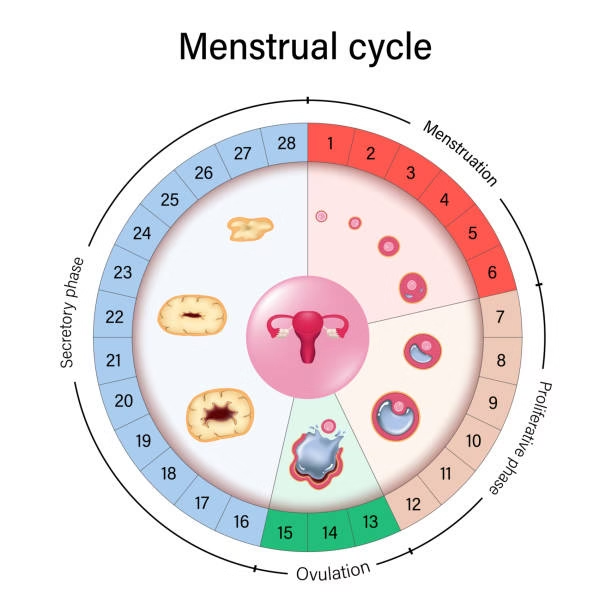
Ovulation is the middle chapter of your menstrual cycle. Your cycle starts on the first day of your period. It ends the day before your next period begins.

Your cycle has two main halves:

  1. The follicular phase: This runs from day one of your period until ovulation.
  2. The luteal phase: This runs from ovulation until your next period starts.

The luteal phase stays fairly steady. It usually lasts 12 to 14 days. The follicular phase changes much more from person to person. That’s why ovulation doesn’t land on the same day for everyone.

Why Does Ovulation Matter for Conception?

You can only get pregnant when an egg is available. No egg, no pregnancy. It’s that simple.

The egg survives for about 12 to 24 hours after release. That’s a very short window. Sperm, on the other hand, can live inside your body for up to five days.

This means your fertile window lasts about six days. It includes the five days before ovulation and ovulation day itself. Sex during this window gives you the best odds of conceiving.

Timing Beats Frequency

Many couples try to have sex every single day. That works, but it can feel exhausting. Focusing on your fertile window takes off some of the pressure.

You don’t need to plan every night. You just need to plan the right few days. Research suggests your chances peak in the two days before ovulation and on ovulation day.

Ovulation Is a Health Signal Too

Regular ovulation also tells you your hormones are working well. Skipped or irregular ovulation can point to issues like polycystic ovary syndrome (PCOS) or thyroid problems.

So tracking ovulation does more than help you conceive. It also helps you spot possible health concerns early.

Ovulation Step by Step, Part One: Getting Ready

Now for the main event. Here is what happens during ovulation step by step. Your body runs a well-planned routine every month. We’ll start with the build-up.

Step 1: Your Brain Sends the First Signal

Everything starts in your brain. At the beginning of your cycle, your hypothalamus releases a hormone called GnRH. This tells your pituitary gland to release follicle-stimulating hormone, or FSH.

FSH is the “wake-up call” for your ovaries. It tells them to get several follicles ready for action.

Step 2: Follicles Start to Grow

Under FSH’s guidance, a group of follicles begins to grow. Each one holds an immature egg. As they grow, the follicles start making estrogen.

At this stage, you’re usually still on your period or just finishing it. Most people don’t feel anything happening. But your ovaries are hard at work.

Step 3: One Dominant Follicle Takes the Lead

Soon, one follicle pulls ahead. This is the dominant follicle. It keeps growing while the others fade away.

Your estrogen levels climb during this time. Estrogen does several jobs:

  • It thickens the lining of your uterus to prepare for a possible pregnancy.
  • It makes your cervical mucus clearer, wetter, and stretchier.
  • It gives you a natural boost in energy and mood for many people.

Step 4: The LH Surge Arrives

When estrogen reaches a high enough level, your brain responds. Your pituitary gland releases a big burst of luteinizing hormone, or LH. This is called the LH surge.

The surge usually happens 24 to 36 hours before the egg is released. It’s the exact signal that ovulation tests pick up. It’s also your body’s final “get ready” message.

Ovulation Step by Step, Part Two: Release and Aftermath

Once the LH surge hits, things move fast. The next steps happen over about a day or two.

Step 5: The Follicle Releases the Egg

This is ovulation itself. The dominant follicle breaks open, and the mature egg bursts out. It usually happens within one to two days after the LH surge begins.

Some people feel a small twinge or ache on one side of the lower belly. Others feel nothing at all. Both are completely normal.

Step 6: The Egg Travels Into the Fallopian Tube

After release, the egg doesn’t just float around. Soft, finger-like ends of the fallopian tube, called fimbriae, sweep it inside. The egg then starts to move slowly toward the uterus.

This is where the magic happens. If sperm are waiting in the tube, one may fertilize the egg. Fertilization usually happens in the outer part of the fallopian tube.

The egg only stays fertile for about 12 to 24 hours. After that, it can no longer be fertilized.

Step 7: The Empty Follicle Becomes the Corpus Luteum

The follicle doesn’t disappear after releasing its egg. It turns into a tiny hormone factory called the corpus luteum. This structure makes progesterone.

Progesterone keeps your uterine lining thick and ready for a fertilized egg. If you become pregnant, the corpus luteum keeps working. If you don’t, it breaks down. Progesterone drops, and your period arrives about two weeks after ovulation.

How to Spot the Signs of Ovulation

Your body often drops hints that ovulation is near. Not everyone notices all of them. Still, learning your own patterns can help a lot.

Here are the most common signs:

  • Cervical mucus changes: Your mucus becomes clear, slippery, and stretchy. Many people compare it to raw egg whites. This is your most fertile mucus.
  • A rise in basal body temperature: Your resting temperature goes up slightly after ovulation. The rise is small, usually about 0.3 to 0.5 degrees Celsius.
  • Mild pelvic pain: Some people feel a one-sided twinge or cramp. Doctors call this mittelschmerz, which means “middle pain.”
  • Breast tenderness: Rising hormones can make your breasts feel sore or full.
  • A higher sex drive: Many people feel more interested in sex around ovulation.
  • Light spotting: A small amount of pink or brown spotting can happen mid-cycle.
  • A heightened sense of smell or taste: Some people notice this, though it’s less common.

One important point. Temperature only rises after ovulation has already happened. So it confirms ovulation but doesn’t predict it. For timing sex, use it alongside other signs.

Simple Ways to Track Your Ovulation

You don’t need fancy gear to track ovulation. Start with one or two methods, then add more if you like.

  1. Track your cycle on a calendar or app. Mark the first day of every period. After a few months, you’ll see your average cycle length. Ovulation usually happens about 12 to 14 days before your next period.
  2. Use ovulation predictor kits (OPKs). These urine strips detect the LH surge. A positive test means ovulation will likely happen within 24 to 48 hours.
  3. Check your cervical mucus daily. Look for the clear, stretchy texture. When you see it, you’re in your fertile window.
  4. Chart your basal body temperature. Take your temperature every morning before you get out of bed. Use the same thermometer each time.
  5. Try a fertility tracker or wearable. Some devices track skin temperature or hormones for you. They can save time, though they cost more.

A Quick Tip for Beginners

Don’t rely on the “day 14” rule. That only works for a perfect 28-day cycle. Many people have shorter or longer cycles. Your ovulation day may fall earlier or later.

Combining methods gives you the clearest picture. For example, pair an OPK with cervical mucus checks.

Deeper dive: Menstrual Cycle Phases and Fertility Explained Simply

When Ovulation Doesn’t Go as Planned

Sometimes ovulation is late, irregular, or missing altogether. Doctors call missing ovulation anovulation. It’s one of the more common causes of fertility struggles.

Several things can disrupt ovulation:

  • PCOS: This hormone condition can stop follicles from maturing properly.
  • Thyroid problems: Both an overactive and underactive thyroid can throw off your cycle.
  • High stress: Long-term stress can delay or block the LH surge.
  • Very low or very high body weight: Both extremes can affect hormone levels.
  • Intense exercise: Overtraining without enough fuel can pause ovulation.
  • Perimenopause: Ovulation becomes less predictable as you approach menopause.

Signs of an ovulation problem include very irregular periods, no periods, or extremely long cycles. Cycles shorter than 21 days or longer than 35 days are also worth a mention to your doctor.

When to See a Doctor

Don’t wait too long if something feels off. Here’s a general guide:

  • Under 35 and trying for 12 months without success: talk to your doctor.
  • 35 or older and trying for six months: book a visit.
  • Over 40, or you know you have irregular periods: see a doctor sooner.

Many ovulation issues are very treatable. Getting answers early can save you months of worry.

Everyday Habits That Support Healthy Ovulation

You can’t control every part of ovulation. But small daily habits can help your body do its job.

  1. Eat a balanced diet. Focus on whole foods, healthy fats, lean protein, and plenty of vegetables. Add folate-rich foods like leafy greens and lentils.
  2. Take folic acid. Many doctors recommend it before you conceive. Ask your provider about the right dose for you.
  3. Move your body regularly. Moderate exercise supports hormone balance. Skip extreme workouts that leave you exhausted.
  4. Sleep well. Aim for seven to nine hours. Poor sleep can affect your reproductive hormones.
  5. Manage stress. Try walking, deep breathing, journaling, or yoga. Pick whatever helps you feel calm.
  6. Limit alcohol and skip smoking. Both can harm egg quality and fertility.
  7. Keep a healthy weight. Small changes often help, especially if you have PCOS.

For more ideas on supporting your fertility overall, check out our full female fertility guide.

Common Ovulation Myths

Let’s clear up a few myths that cause a lot of confusion.

  • Myth: Everyone ovulates on day 14. Truth: Ovulation timing varies. It depends on your own cycle length.
  • Myth: You can only get pregnant on ovulation day. Truth: Sperm can live for up to five days, so the days before ovulation count too.
  • Myth: You always ovulate every cycle. Truth: Even healthy people sometimes skip ovulation. Stress, illness, and travel can all play a part.
  • Myth: You can’t get pregnant after your period. Truth: With a short cycle, you can ovulate soon after your period ends.
  • Myth: You must feel ovulation. Truth: Many people feel nothing at all, and that’s normal.

Final Thoughts

Ovulation is the key moment in your cycle when conception becomes possible. Your brain, ovaries, and hormones work together to release a single egg. That egg then has a short window to meet a sperm.

Now you know what happens during ovulation step by step. You also know how to spot the signs and how to track your fertile days. That knowledge puts you in a much stronger position.

Be patient with yourself. Even when everything works perfectly, conception can take a few months. Track gently, take care of your health, and ask for help when you need it.

Want to learn more? Head back to our complete guide to female fertility for more tips on boosting your chances of conceiving.

This article is for general information only. It doesn’t replace advice from your doctor or healthcare provider.

FAQs

  1. How long does ovulation last?

The release of the egg itself is quick. The egg can be fertilized for only about 12 to 24 hours afterward.

  1. When do you ovulate in a 28-day cycle?

Most people ovulate around day 14. Still, it can vary by a few days, so tracking your own signs helps.

  1. Can you get pregnant right after your period?

Yes, it’s possible, especially with a short cycle. Sperm can live for up to five days and may still be around when you ovulate.

  1. Can you ovulate without having a period?

Yes. Ovulation happens before your period, so you can ovulate even if your periods are very light or irregular.

  1. Does ovulation hurt?

Some people feel a mild, one-sided twinge. Many feel nothing at all. Severe or lasting pain is worth checking with a doctor.

  1. How do I know if I’ve ovulated?

A positive ovulation test followed by a rise in basal body temperature is a good sign. Changes in cervical mucus also help.

  1. Can stress stop ovulation?

Yes. Long-term stress can delay or block ovulation. Rest and stress relief can help your cycle return to normal.

  1. How soon after ovulation can I take a pregnancy test?

Wait about 12 to 14 days after ovulation. Testing earlier can give a false negative.

Exit mobile version