Categories
Fertility

Irregular Cycles and Fertility: What’s the Real Connection?

You track your period for months. It shows up on day 24, then day 41, then not at all. Then you start to wonder if your cycle is the reason you’re not getting pregnant.

You’re not alone. Many women deal with irregular periods and trouble getting pregnant at the same time. The link is real. But it isn’t a life sentence.

Here’s the short version. Your cycle gives you clues about ovulation. When your cycle swings, ovulation often swings with it. And ovulation is the one thing you need for a natural pregnancy.

This post is part of our female fertility guide. Here, we zoom in on one piece of the puzzle: how an unpredictable cycle affects your chances. You’ll learn what counts as normal, what causes changes, and what you can do about it.

Let’s start with the basics.

What Counts as an Irregular Cycle?

A “normal” cycle is wider than most people think. Doctors count from the first day of one period to the first day of the next.

For most adults, a healthy cycle looks like this:

  • Cycle length: 21 to 35 days
  • Period length: 2 to 7 days
  • Variation: no more than about 7 to 9 days between your shortest and longest cycle

Signs your cycle may be irregular

Your cycle might be irregular if you notice any of these:

  • Cycles shorter than 21 days or longer than 35 days
  • Lengths that change a lot from month to month
  • Periods that skip for three months or more
  • Very heavy bleeding, or very light spotting
  • Bleeding between periods

One odd cycle isn’t a red flag. Travel, illness, and stress can nudge things off track for a month. Patterns matter more than single cycles.

Why this matters for fertility

A regular cycle usually points to regular ovulation. That makes it easier to time sex and predict your fertile days. A cycle that keeps changing makes both harder.

It can also hint at an underlying issue worth checking. Our guide to the early signs of fertility issues in women lists other clues to watch for.

Why Ovulation Is the Missing Link

Pregnancy needs an egg. Your ovary releases that egg during ovulation, usually about 14 days before your next period.

When your cycle is predictable, ovulation tends to be predictable too. When it isn’t, ovulation can move around. In some months, it may not happen at all.

What happens without ovulation

Some cycles are “anovulatory.” You may still bleed, but your body didn’t release an egg. That bleed can look like a normal period, so it’s easy to miss.

No egg means no chance of pregnancy that month. That’s the main reason irregular periods and trouble getting pregnant often show up together.

Late ovulation counts too

Even when you do ovulate, it may happen late. Say you ovulate on day 28 instead of day 14. Your period then arrives later, and the timing of sex matters a lot. You might miss your fertile window simply because you expected it earlier.

A short luteal phase can also play a role. That’s the stretch between ovulation and your period. If it’s too short, the uterine lining may not support an early pregnancy well.

The takeaway

The cycle itself isn’t the real problem. Ovulation is. Your cycle just gives you the clues. To learn how to spot those clues, read our guide on how to track ovulation naturally at home.

Hormone-Related Causes

Hormones run your cycle. When one gets out of balance, ovulation can stall. These are the most common culprits.

PCOS

Polycystic ovary syndrome is a top cause of irregular cycles linked to fertility. Higher androgen levels interfere with the signals your ovaries need. Eggs may not mature or release on schedule.

Other signs include acne, extra hair growth, and thinning scalp hair. Many women with PCOS do get pregnant, often with some support. Our guide on getting pregnant with PCOS explains your chances.

Thyroid problems

Your thyroid controls your metabolism, and it also affects your cycle. An underactive thyroid can cause heavy, long, or missed periods. An overactive one can make them shorter or lighter.

A simple blood test checks thyroid function. Treatment is often straightforward and can bring cycles back to normal.

High prolactin

Prolactin is the hormone that supports milk production. When levels rise outside of pregnancy or breastfeeding, ovulation can pause. Causes include certain medicines, stress, and small, harmless growths on the pituitary gland.

Early ovarian decline

Some women run low on eggs earlier than expected. Cycles often turn irregular before they stop altogether. If you’re under 40 and your periods keep shifting, ask your doctor about this.

Each of these is treatable or manageable. That’s why finding the cause matters more than guessing.

Lifestyle Causes

Not every irregular cycle points to a medical condition. Daily habits can shift your hormones too.

Stress

Stress raises cortisol. High cortisol can quiet the signals that trigger ovulation. That’s why a rough month at work can delay your period.

Short bursts of stress rarely cause lasting harm. Long stretches of it can.

Weight changes

Body fat helps your body make estrogen. Being underweight can drop estrogen so low that periods stop. Carrying extra weight can raise insulin and disrupt ovulation in a different way.

The good news is that small changes can help. Losing 5 to 10 percent of body weight can help some women with excess weight ovulate more regularly.

Too much exercise

Movement is healthy. But hard training with too little food can switch off ovulation. Athletes often notice this first.

Not eating enough

Skipping meals or cutting calories sharply tells your body it isn’t safe to ovulate. That’s a survival response, not a flaw.

Poor sleep

Night shifts, late nights, and broken sleep disturb your body clock. Your cycle follows that clock.

These causes often reverse once habits improve. For a wider look at what can affect fertility, read top causes of infertility in women.

Can You Get Pregnant With Irregular Cycles?

Yes, many women do. Irregular doesn’t mean impossible. It means the timing is harder to pin down, and it may take longer.

What the odds look like

A healthy couple under 35 with well-timed sex has roughly a 20 to 25 percent chance of pregnancy each month. With irregular cycles, ovulation happens less often. That lowers the odds per month and can stretch the timeline.

Here’s what that means in plain terms:

  • You may ovulate only a few times a year
  • Each missed ovulation is one missed chance
  • Fewer chances add up to a longer wait

That’s why irregular periods and trouble getting pregnant can feel so frustrating. You’re doing the work, but your body isn’t giving you many chances to succeed.

What helps

Most women who ovulate, even rarely, can still conceive. The goal is to catch your fertile days when they do come. Treating the root cause helps too. Many women conceive within months of treatment or steady lifestyle changes.

A note on age

Age changes the picture. Under 35, you can wait a bit longer before asking for help. Over 35, the clock moves faster. Our female fertility guide covers the age timeline in detail. If you feel worried, don’t wait.

How to Track Ovulation When Cycles Vary

Calendar apps assume a 28-day cycle. If yours isn’t, they’ll guess wrong. Use your body’s signs instead, and combine two or three methods for the clearest picture.

Cervical mucus

Around ovulation, mucus turns clear, stretchy, and slippery, like raw egg white. It’s free and easy to check. Learn more in cervical mucus and fertility: what to look for.

Basal body temperature

Your temperature rises slightly after ovulation. You take it every morning before you get out of bed. It confirms ovulation after the fact, and patterns show up over a few months. Try our simple guide to basal body temperature charting.

Ovulation predictor kits

These urine strips detect the LH surge that comes before ovulation. They can mislead you if your cycle is very irregular, or if you have PCOS, because LH may stay high. Read do ovulation predictor kits actually work? for tips.

Tips for better tracking

  1. Track for at least three months
  2. Write down period dates, mucus changes, and temperatures
  3. Start testing with strips earlier than the box suggests
  4. Share your notes with your doctor

If you have PCOS, our post on how to track ovulation with PCOS can help.

Everyday Steps That Support Regular Cycles

Habits can’t fix every cause. But these steps help many women.

Eat to support your hormones

  • Fill half your plate with vegetables and fruit
  • Pair carbs with protein and healthy fat
  • Choose whole grains over refined ones
  • Limit sugary drinks and ultra-processed snacks

Steady blood sugar helps steady your hormones. This matters even more with PCOS.

Move in a balanced way

Aim for about 30 minutes of movement most days. Walking, strength training, and yoga all work well. Avoid pushing hard every single day.

Manage stress

Pick one small habit you’ll actually keep. Try a 10-minute walk, five minutes of deep breathing, or a phone-free hour before bed.

Protect your sleep

Aim for seven to nine hours. Keep a steady bedtime when you can.

Ask about supplements

Some women with PCOS use myo-inositol. Doctors also prescribe metformin in some cases. Please don’t start either without medical advice.

Give it time

Eggs take about three months to mature. So give new habits a full three cycles before you judge the results.

When to See a Doctor

Don’t wait a full year if your cycles are clearly off. Seek help sooner if:

  • Your periods come less than 21 or more than 35 days apart
  • You skip three or more periods in a row
  • You’re under 35 and have tried for 12 months
  • You’re 35 or older and have tried for six months
  • You have severe pain or very heavy bleeding
  • You’ve had two or more miscarriages

Seeing a doctor isn’t giving up. It gets you answers faster.

Tests your doctor may order

  1. Blood tests for FSH, LH, estrogen, and thyroid hormones
  2. Prolactin and AMH levels
  3. A pelvic ultrasound
  4. A progesterone test about a week after ovulation, to confirm it happened
  5. A semen analysis for your partner

Bring your tracking notes. Dates, symptoms, and temperature charts save time and give your doctor useful clues.

Treatment options

  • Lifestyle changes as a first step
  • Treating the cause, such as thyroid medicine
  • Ovulation-inducing medicine like letrozole or clomiphene
  • IUI or IVF if other treatments don’t work

The right path depends on your age, test results, and goals. A fertility specialist can map out the best plan with you.

Final Thoughts

The link between your cycle and your fertility is real. In many cases, it’s also fixable.

Here’s what to remember:

  1. Irregular cycles often mean irregular ovulation
  2. Many causes, like PCOS, thyroid issues, and stress, can be treated
  3. Tracking body signs works better than counting days
  4. Healthy habits help, but they take time
  5. Ask for help early if something feels off

If you’re facing irregular periods and trouble getting pregnant, it’s easy to blame yourself. Please don’t. Your body is giving you information, not passing judgment.

Be patient with yourself, and lean on your partner or a friend. If online advice has you doubting everything, our post on fertility myths vs facts may ease your mind.

Ready for the full picture? Head back to our female fertility guide for everything in one place.

This post is for information only. It doesn’t replace advice from a qualified healthcare provider.

FAQs

Can irregular periods make it harder to get pregnant?

Yes. Irregular cycles often mean you ovulate less often. Fewer ovulations mean fewer chances to conceive each year.

How do I know if I’m ovulating with irregular cycles?

Watch for stretchy, clear mucus and a rise in morning temperature. Ovulation tests can help, but they work best with other signs.

Can I get pregnant if my period is late every month?

Yes, you can. Late periods often mean late ovulation. Tracking your body signs helps you find your fertile window.

Does PCOS always cause irregular periods?

No. Most women with PCOS have irregular cycles, but some have regular ones. A doctor can confirm it with tests.

Can stress delay ovulation?

It can. High stress hormones may quiet the signals that trigger ovulation. Your period then arrives later than usual.

How long should I try before seeing a doctor?

See a doctor after 12 months if you’re under 35, or six months if you’re 35 or older. Go sooner if your cycles are very irregular.

Can lifestyle changes bring my cycle back on track?

Often, yes. Balanced meals, steady sleep, moderate exercise, and stress care help many women. Give new habits about three months.

Categories
Fertility

Fertility Myths vs. Facts, Debunked

Introduction

Trying to conceive can feel confusing. Everyone has advice. Your mom, your friends, and the internet all say different things. Some of it helps. A lot of it does not.

Bad advice can add stress, waste time, and even delay care. That is why it pays to know the truth early.

In this post, we sort fertility myths vs facts for women in plain language. You will learn what science says about age, cycles, food, stress, and more. This article is part of our bigger female fertility guide, so read it next for the full picture.

Let’s get started.

Myths About Age and Timing

Myth 1: Your fertility falls off a cliff at 35

Fact: Fertility declines slowly, not overnight.

Egg quality and number do drop with age. The drop starts in the late 20s and speeds up in the mid-30s. After 40, it becomes steeper.

But 35 is not a magic switch. Many women in their late 30s and early 40s conceive naturally. Many women in their 20s struggle.

Age is one factor among many. Your health, cycle pattern, and partner’s health matter too. If you are over 35 and trying for six months without luck, talk to a doctor. If you are under 35, the usual advice is to wait a year.

Myth 2: You can get pregnant any day of the month

Fact: You can only get pregnant during a short window each cycle.

That window is called the fertile window. It lasts about six days. It includes the five days before ovulation and the day of ovulation.

An egg lives for only 12 to 24 hours after release. Sperm can survive up to five days in the body. So sex in the days before ovulation gives you the best chance.

Sex outside this window rarely leads to pregnancy. Knowing your window helps you time things well without stress.

Myth 3: Everyone ovulates on day 14

Fact: Ovulation day is different for each woman.

Day 14 is just an average for a 28-day cycle. Many cycles are shorter or longer. Even your own cycle can change from month to month.

If your cycle is 35 days long, you may ovulate around day 21. If it is 24 days, you may ovulate around day 10.

You can track ovulation in a few simple ways:

  • Use ovulation predictor kits
  • Track your basal body temperature
  • Watch for clear, stretchy cervical mucus
  • Use a cycle tracking app

Pairing two methods gives better accuracy than using one alone.

Myths About Periods and Hormones

Myth 4: Irregular periods mean you cannot get pregnant

Fact: Irregular periods make pregnancy harder, but not impossible.

Irregular cycles often mean you ovulate less often. That means fewer chances each month. It does not mean zero chances.

Common causes include polycystic ovary syndrome (PCOS), thyroid problems, high stress, and low body weight. Many of these are treatable.

If your periods are often late, very light, or missing, see a doctor. Simple tests can find the cause. Treatment can often bring ovulation back on track.

Do not wait too long. The sooner you know the cause, the sooner you can act.

Myth 5: Birth control causes long-term infertility

Fact: Birth control does not harm your future fertility.

This is one of the most common fears. Studies show that most women regain fertility soon after they stop the pill, patch, ring, or IUD.

Some women ovulate within the first month. Others may wait a few months for their cycle to settle. This is normal.

The shot (Depo-Provera) can take longer. Some women wait up to 10 months or more to ovulate again.

If your periods were irregular before birth control, they may be irregular after. The pill can hide those issues. It did not cause them.

Myth 6: A regular period means you are fertile

Fact: A regular cycle is a good sign, but it is not a guarantee.

Many women with regular periods still face fertility issues. Blocked tubes, endometriosis, and low egg quality can all hide behind a normal cycle.

Some of these problems cause few or no symptoms. You may not know until you try to conceive for a while.

Think of your period as one clue. It is useful, but it does not tell the whole story. A fertility checkup gives a clearer view.

Myths About Lifestyle and Habits

Myth 7: Stress alone causes infertility

Fact: Stress can affect your cycle, but it rarely acts alone.

Long, intense stress can change your hormones. It can delay ovulation or even stop it for a while. It can also lower your desire for sex.

But everyday stress does not usually make you infertile. Many women conceive during hard seasons of life.

Still, calm habits help your body and mind. Try these simple steps:

  1. Sleep seven to nine hours each night
  2. Move your body most days
  3. Try deep breathing or short walks
  4. Talk with a friend, partner, or counselor

Be kind to yourself. Blaming stress for infertility only adds guilt, and guilt helps no one.

Myth 8: Lying with your legs up after sex helps

Fact: There is no proof that this trick works.

Sperm swim fast. Within minutes, they pass through the cervix. Gravity does not stop them.

Lying down for 10 to 15 minutes will not hurt. Some couples find it relaxing. But it is not a fertility hack.

The same goes for sex positions. No position raises your chances in a proven way. Pick what feels comfortable and enjoyable.

Your energy is better spent on proven steps. Track your fertile window. Eat well. Keep up with your health checks.

Myth 9: Certain “fertility foods” guarantee pregnancy

Fact: No single food can make you pregnant.

You may hear that pineapple core, papaya, or special teas boost fertility. Science does not back these claims.

What does help is a balanced eating pattern. Studies link a Mediterranean-style diet with better fertility. It is rich in:

  • Vegetables and fruits
  • Whole grains
  • Beans and lentils
  • Nuts and seeds
  • Fish and olive oil

Limit highly processed foods and sugary drinks. Cut back on alcohol and caffeine too. Small, steady changes work better than extreme diets.

Myth 10: Supplements can fix any fertility problem

Fact: Supplements support health, but they cannot replace medical care.

Folic acid is the one supplement doctors strongly urge. Start taking 400 micrograms daily at least one month before you try to conceive. It lowers the risk of neural tube defects.

Other supplements, like vitamin D, iron, or CoQ10, may help in certain cases. But more is not always better. Some can cause harm in high doses.

Talk to your doctor before you buy anything. Testing can show what your body actually needs. Then you can skip the guesswork.

Myth 11: Only overweight women struggle to conceive

Fact: Weight at both ends of the scale can affect fertility.

Higher body weight can disrupt hormones and ovulation. But being underweight can do the same. Very low body fat may stop periods altogether.

Intense exercise and strict dieting can also cause missed cycles. Your body needs enough energy to support a pregnancy.

You do not need a perfect body. Aim for a healthy, steady weight that feels right for you. Even a small change can help restore ovulation for some women.

Myths About Health and Responsibility

Myth 12: Fertility problems are always a woman’s issue

Fact: Male factors play a big role too.

About one-third of infertility cases involve the male partner. Another third involve the female partner. The rest involve both or have no clear cause.

That is why both partners should get tested. A simple semen analysis is quick and low-cost. It can save months of worry.

Blaming one person helps no one. Facing it as a team makes the journey easier.

Myth 13: If you have had a miscarriage, you cannot carry a baby

Fact: Most women who miscarry go on to have healthy pregnancies.

Miscarriage is common. It affects about one in four pregnancies. Most happen because of random chromosome changes. You did nothing wrong.

Even after two losses, many women succeed with the next try. Doctors usually start testing after three or more losses in a row. Some start sooner if you are older.

If you are grieving, give yourself time. Seek support when you need it. Your pain is real and valid.

Myth 14: If you are healthy, you do not need to think about fertility

Fact: Good health helps, but it does not guarantee easy conception.

Some conditions have no clear signs. Endometriosis, PCOS, fibroids, and blocked tubes can all exist in an otherwise healthy woman.

Sexually transmitted infections can also harm your tubes without symptoms. Regular screening matters.

A preconception visit is a smart step. Your doctor can review your history, update vaccines, and check your health. It sets you up well, even before you try.

Myth 15: IVF is a sure thing, or a last resort

Fact: IVF is a helpful tool, but success rates vary.

Some people think IVF always works. Others think it is only for people who have tried everything. Both ideas are off.

Success depends on age, egg quality, and the cause of infertility. For women under 35, a single cycle succeeds about 40 to 50 percent of the time. The rate falls as age rises.

Other treatments, like ovulation drugs or IUI, may work first. A fertility specialist can guide you to the right option. Ask questions and take your time.

Why Myths Spread So Fast

Fertility is personal and emotional. That makes people eager to share tips. Most mean well. They want to help.

But stories pass from one person to the next, and details get lost. A friend’s lucky trick turns into a “rule.” A social media post turns into “science.”

Fear also fuels myths. When you want a baby badly, any promise of control sounds good. Sellers know this. Many products use big claims to get your attention.

This is why checking each claim matters. Use a simple fertility myths vs facts for women checklist whenever you read new advice. Ask where the claim came from and whether real research backs it.

Doctors, nurses, and trusted health sites are the best starting points. They share advice based on studies, not stories.

Healthy Habits That Do Help

Myths aside, some steps really do support fertility. They are simple and low-cost. You can start today.

Build a Steady Routine

  • Eat balanced meals with plenty of plants
  • Move your body for 30 minutes most days
  • Sleep well and keep a regular schedule
  • Take 400 micrograms of folic acid daily
  • Avoid smoking, which harms egg quality
  • Keep alcohol low or skip it

Know Your Body

Track your cycle for a few months. Note the length, the flow, and any pain. This gives your doctor useful details if you need help later.

Book a checkup before you start trying. Ask about vaccines, medicines, and any health conditions. Some medicines are not safe in pregnancy, so it helps to review them early.

Care for Your Mind

The wait can feel long. Talk with your partner often. Share how you feel. Join a support group if you want company. Small acts of care add up, and they make the process kinder.

How to Spot a Fertility Myth

New claims pop up every day. Use these quick checks before you believe one.

  1. Ask who shares it. Doctors and trusted health sites are safer than random posts.
  2. Look for studies. Real facts have research behind them.
  3. Beware of “miracle” words. If it promises a guaranteed result, doubt it.
  4. Check if someone is selling something. Many myths come with a product.
  5. Ask your doctor. When in doubt, get a second opinion.

When to See a Doctor

You do not need to wait forever. Seek help sooner if any of these apply:

  • You are under 35 and have tried for 12 months
  • You are 35 or older and have tried for six months
  • You are over 40 and ready to start
  • Your periods are very irregular or absent
  • You have severe period pain
  • You have had two or more miscarriages
  • You have a known condition like PCOS or endometriosis

Early help saves time, money, and stress. It also gives you clear answers.

Final Thoughts

Fertility is full of myths. Some are harmless. Others create fear or push you toward the wrong choices.

Now you know the real story behind fertility myths vs facts for women. Age matters, but it is not a cliff. Stress matters, but it is not the only cause. Food and habits help, but no trick guarantees a baby.

The best plan is simple. Know your body. Track your cycle. Live well. Get checked when needed.

For more tips, read our full female fertility guide. It covers cycle tracking, nutrition, and ways to boost your chances of conceiving.

You are not alone on this path. Trust facts, ask questions, and be patient with yourself.

FAQs

Can you get pregnant right after your period?

Yes, it is possible. Sperm can live up to five days. If you ovulate early, you may conceive soon after your period ends.

How long does it take to get pregnant?

About 80 to 85 percent of couples conceive within one year of regular, unprotected sex.

Does age affect fertility in men too?

Yes. Sperm quality and count can decline with age, though the change is slower than in women.

Can I get pregnant with PCOS?

Yes. Many women with PCOS conceive, often with lifestyle changes or medicine that triggers ovulation.

Does caffeine affect fertility?

Small amounts are likely fine. Most experts suggest staying under 200 mg a day, about one 12-ounce cup of coffee.

Should I take folic acid before getting pregnant?

Yes. Start 400 micrograms daily at least one month before you try to conceive.

Does exercise hurt my chances of getting pregnant?

Moderate exercise helps. Very intense training can disrupt ovulation, so balance is key.

When should I see a fertility specialist?

See one after 12 months of trying if you are under 35, or after six months if you are 35 or older.

Categories
Fertility

What Is Ovulation and Why Does It Matter for Conception?

If you’re trying to get pregnant, you’ve probably heard one word again and again: ovulation. Everyone talks about it. Few people explain it clearly.

Here’s the good news. Ovulation isn’t as mysterious as it sounds. Once you understand it, timing sex and tracking your cycle gets much easier.

In this post, we’ll break down what ovulation is and why it matters. We’ll also walk through what happens during ovulation step by step. You’ll learn the signs to watch for and simple ways to track it.

This article is part of our bigger female fertility guide to boost your chances of conceiving. Think of this post as a close-up on one key piece of the puzzle.

What Is Ovulation?

Ovulation is the moment your ovary releases a mature egg. That’s it. One egg, once a cycle, ready to meet a sperm.

Your ovaries hold thousands of tiny eggs. Each egg sits inside a small, fluid-filled sac called a follicle. Every month, a group of follicles starts to grow. Usually, only one wins the race and releases its egg.

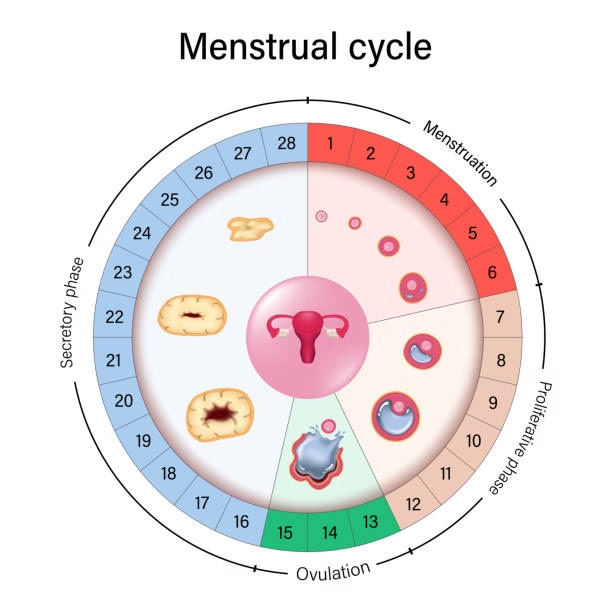
Ovulation is the middle chapter of your menstrual cycle. Your cycle starts on the first day of your period. It ends the day before your next period begins.

Your cycle has two main halves:

  1. The follicular phase: This runs from day one of your period until ovulation.
  2. The luteal phase: This runs from ovulation until your next period starts.

The luteal phase stays fairly steady. It usually lasts 12 to 14 days. The follicular phase changes much more from person to person. That’s why ovulation doesn’t land on the same day for everyone.

Why Does Ovulation Matter for Conception?

You can only get pregnant when an egg is available. No egg, no pregnancy. It’s that simple.

The egg survives for about 12 to 24 hours after release. That’s a very short window. Sperm, on the other hand, can live inside your body for up to five days.

This means your fertile window lasts about six days. It includes the five days before ovulation and ovulation day itself. Sex during this window gives you the best odds of conceiving.

Timing Beats Frequency

Many couples try to have sex every single day. That works, but it can feel exhausting. Focusing on your fertile window takes off some of the pressure.

You don’t need to plan every night. You just need to plan the right few days. Research suggests your chances peak in the two days before ovulation and on ovulation day.

Ovulation Is a Health Signal Too

Regular ovulation also tells you your hormones are working well. Skipped or irregular ovulation can point to issues like polycystic ovary syndrome (PCOS) or thyroid problems.

So tracking ovulation does more than help you conceive. It also helps you spot possible health concerns early.

Ovulation Step by Step, Part One: Getting Ready

Now for the main event. Here is what happens during ovulation step by step. Your body runs a well-planned routine every month. We’ll start with the build-up.

Step 1: Your Brain Sends the First Signal

Everything starts in your brain. At the beginning of your cycle, your hypothalamus releases a hormone called GnRH. This tells your pituitary gland to release follicle-stimulating hormone, or FSH.

FSH is the “wake-up call” for your ovaries. It tells them to get several follicles ready for action.

Step 2: Follicles Start to Grow

Under FSH’s guidance, a group of follicles begins to grow. Each one holds an immature egg. As they grow, the follicles start making estrogen.

At this stage, you’re usually still on your period or just finishing it. Most people don’t feel anything happening. But your ovaries are hard at work.

Step 3: One Dominant Follicle Takes the Lead

Soon, one follicle pulls ahead. This is the dominant follicle. It keeps growing while the others fade away.

Your estrogen levels climb during this time. Estrogen does several jobs:

  • It thickens the lining of your uterus to prepare for a possible pregnancy.
  • It makes your cervical mucus clearer, wetter, and stretchier.
  • It gives you a natural boost in energy and mood for many people.

Step 4: The LH Surge Arrives

When estrogen reaches a high enough level, your brain responds. Your pituitary gland releases a big burst of luteinizing hormone, or LH. This is called the LH surge.

The surge usually happens 24 to 36 hours before the egg is released. It’s the exact signal that ovulation tests pick up. It’s also your body’s final “get ready” message.

Ovulation Step by Step, Part Two: Release and Aftermath

Once the LH surge hits, things move fast. The next steps happen over about a day or two.

Step 5: The Follicle Releases the Egg

This is ovulation itself. The dominant follicle breaks open, and the mature egg bursts out. It usually happens within one to two days after the LH surge begins.

Some people feel a small twinge or ache on one side of the lower belly. Others feel nothing at all. Both are completely normal.

Step 6: The Egg Travels Into the Fallopian Tube

After release, the egg doesn’t just float around. Soft, finger-like ends of the fallopian tube, called fimbriae, sweep it inside. The egg then starts to move slowly toward the uterus.

This is where the magic happens. If sperm are waiting in the tube, one may fertilize the egg. Fertilization usually happens in the outer part of the fallopian tube.

The egg only stays fertile for about 12 to 24 hours. After that, it can no longer be fertilized.

Step 7: The Empty Follicle Becomes the Corpus Luteum

The follicle doesn’t disappear after releasing its egg. It turns into a tiny hormone factory called the corpus luteum. This structure makes progesterone.

Progesterone keeps your uterine lining thick and ready for a fertilized egg. If you become pregnant, the corpus luteum keeps working. If you don’t, it breaks down. Progesterone drops, and your period arrives about two weeks after ovulation.

How to Spot the Signs of Ovulation

Your body often drops hints that ovulation is near. Not everyone notices all of them. Still, learning your own patterns can help a lot.

Here are the most common signs:

  • Cervical mucus changes: Your mucus becomes clear, slippery, and stretchy. Many people compare it to raw egg whites. This is your most fertile mucus.
  • A rise in basal body temperature: Your resting temperature goes up slightly after ovulation. The rise is small, usually about 0.3 to 0.5 degrees Celsius.
  • Mild pelvic pain: Some people feel a one-sided twinge or cramp. Doctors call this mittelschmerz, which means “middle pain.”
  • Breast tenderness: Rising hormones can make your breasts feel sore or full.
  • A higher sex drive: Many people feel more interested in sex around ovulation.
  • Light spotting: A small amount of pink or brown spotting can happen mid-cycle.
  • A heightened sense of smell or taste: Some people notice this, though it’s less common.

One important point. Temperature only rises after ovulation has already happened. So it confirms ovulation but doesn’t predict it. For timing sex, use it alongside other signs.

Simple Ways to Track Your Ovulation

You don’t need fancy gear to track ovulation. Start with one or two methods, then add more if you like.

  1. Track your cycle on a calendar or app. Mark the first day of every period. After a few months, you’ll see your average cycle length. Ovulation usually happens about 12 to 14 days before your next period.
  2. Use ovulation predictor kits (OPKs). These urine strips detect the LH surge. A positive test means ovulation will likely happen within 24 to 48 hours.
  3. Check your cervical mucus daily. Look for the clear, stretchy texture. When you see it, you’re in your fertile window.
  4. Chart your basal body temperature. Take your temperature every morning before you get out of bed. Use the same thermometer each time.
  5. Try a fertility tracker or wearable. Some devices track skin temperature or hormones for you. They can save time, though they cost more.

A Quick Tip for Beginners

Don’t rely on the “day 14” rule. That only works for a perfect 28-day cycle. Many people have shorter or longer cycles. Your ovulation day may fall earlier or later.

Combining methods gives you the clearest picture. For example, pair an OPK with cervical mucus checks.

Deeper dive: Menstrual Cycle Phases and Fertility Explained Simply

When Ovulation Doesn’t Go as Planned

Sometimes ovulation is late, irregular, or missing altogether. Doctors call missing ovulation anovulation. It’s one of the more common causes of fertility struggles.

Several things can disrupt ovulation:

  • PCOS: This hormone condition can stop follicles from maturing properly.
  • Thyroid problems: Both an overactive and underactive thyroid can throw off your cycle.
  • High stress: Long-term stress can delay or block the LH surge.
  • Very low or very high body weight: Both extremes can affect hormone levels.
  • Intense exercise: Overtraining without enough fuel can pause ovulation.
  • Perimenopause: Ovulation becomes less predictable as you approach menopause.

Signs of an ovulation problem include very irregular periods, no periods, or extremely long cycles. Cycles shorter than 21 days or longer than 35 days are also worth a mention to your doctor.

When to See a Doctor

Don’t wait too long if something feels off. Here’s a general guide:

  • Under 35 and trying for 12 months without success: talk to your doctor.
  • 35 or older and trying for six months: book a visit.
  • Over 40, or you know you have irregular periods: see a doctor sooner.

Many ovulation issues are very treatable. Getting answers early can save you months of worry.

Everyday Habits That Support Healthy Ovulation

You can’t control every part of ovulation. But small daily habits can help your body do its job.

  1. Eat a balanced diet. Focus on whole foods, healthy fats, lean protein, and plenty of vegetables. Add folate-rich foods like leafy greens and lentils.
  2. Take folic acid. Many doctors recommend it before you conceive. Ask your provider about the right dose for you.
  3. Move your body regularly. Moderate exercise supports hormone balance. Skip extreme workouts that leave you exhausted.
  4. Sleep well. Aim for seven to nine hours. Poor sleep can affect your reproductive hormones.
  5. Manage stress. Try walking, deep breathing, journaling, or yoga. Pick whatever helps you feel calm.
  6. Limit alcohol and skip smoking. Both can harm egg quality and fertility.
  7. Keep a healthy weight. Small changes often help, especially if you have PCOS.

For more ideas on supporting your fertility overall, check out our full female fertility guide.

Common Ovulation Myths

Let’s clear up a few myths that cause a lot of confusion.

  • Myth: Everyone ovulates on day 14. Truth: Ovulation timing varies. It depends on your own cycle length.
  • Myth: You can only get pregnant on ovulation day. Truth: Sperm can live for up to five days, so the days before ovulation count too.
  • Myth: You always ovulate every cycle. Truth: Even healthy people sometimes skip ovulation. Stress, illness, and travel can all play a part.
  • Myth: You can’t get pregnant after your period. Truth: With a short cycle, you can ovulate soon after your period ends.
  • Myth: You must feel ovulation. Truth: Many people feel nothing at all, and that’s normal.

Final Thoughts

Ovulation is the key moment in your cycle when conception becomes possible. Your brain, ovaries, and hormones work together to release a single egg. That egg then has a short window to meet a sperm.

Now you know what happens during ovulation step by step. You also know how to spot the signs and how to track your fertile days. That knowledge puts you in a much stronger position.

Be patient with yourself. Even when everything works perfectly, conception can take a few months. Track gently, take care of your health, and ask for help when you need it.

Want to learn more? Head back to our complete guide to female fertility for more tips on boosting your chances of conceiving.

This article is for general information only. It doesn’t replace advice from your doctor or healthcare provider.

FAQs

  1. How long does ovulation last?

The release of the egg itself is quick. The egg can be fertilized for only about 12 to 24 hours afterward.

  1. When do you ovulate in a 28-day cycle?

Most people ovulate around day 14. Still, it can vary by a few days, so tracking your own signs helps.

  1. Can you get pregnant right after your period?

Yes, it’s possible, especially with a short cycle. Sperm can live for up to five days and may still be around when you ovulate.

  1. Can you ovulate without having a period?

Yes. Ovulation happens before your period, so you can ovulate even if your periods are very light or irregular.

  1. Does ovulation hurt?

Some people feel a mild, one-sided twinge. Many feel nothing at all. Severe or lasting pain is worth checking with a doctor.

  1. How do I know if I’ve ovulated?

A positive ovulation test followed by a rise in basal body temperature is a good sign. Changes in cervical mucus also help.

  1. Can stress stop ovulation?

Yes. Long-term stress can delay or block ovulation. Rest and stress relief can help your cycle return to normal.

  1. How soon after ovulation can I take a pregnancy test?

Wait about 12 to 14 days after ovulation. Testing earlier can give a false negative.

Exit mobile version