Categories
PCOS

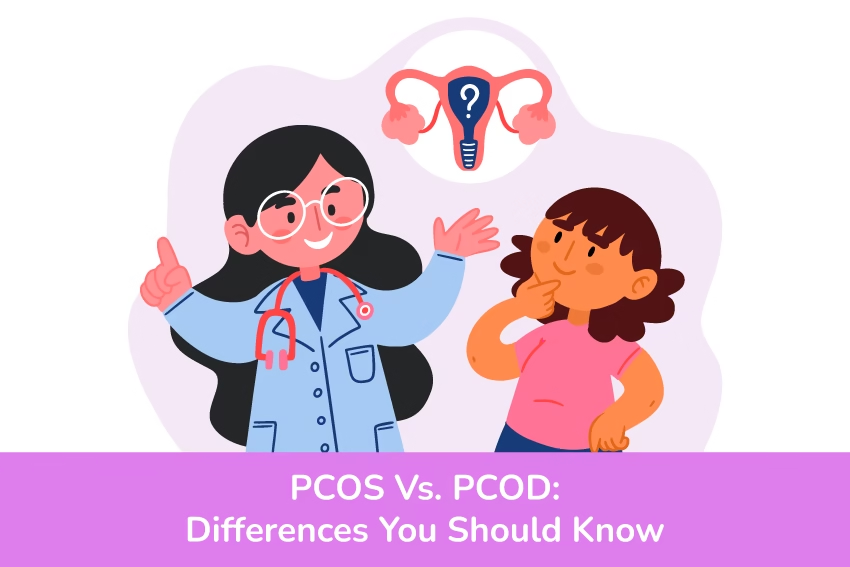
PCOS vs PCOD: Full Comparison

You searched for PCOD, and now you’re seeing PCOS everywhere too. Are they the same thing? Different conditions? Something in between?

This confusion is common, even among women who have been diagnosed. Doctors sometimes use the terms loosely, and that adds to the mix-up. This guide breaks down exactly where these two conditions overlap and where they differ.

For a deeper look at PCOS itself, including symptoms, causes, and treatment, check out our complete PCOS guide. This post focuses purely on how PCOS and PCOD compare.

What Is PCOD?

PCOD stands for Polycystic Ovarian Disease. It happens when the ovaries release immature or partially mature eggs. Over time, these eggs can turn into cysts within the ovaries.

PCOD is considered a common condition among women of reproductive age. It’s often linked to lifestyle factors like poor diet, stress, and lack of physical activity.

The good news is PCOD tends to be milder. Many women manage it well through diet changes and regular exercise, without needing long-term medication.

What Is PCOS?

PCOS stands for Polycystic Ovary Syndrome. It’s a broader hormonal and metabolic disorder, not just an ovarian issue.

With PCOS, the ovaries produce excess androgens (male hormones). This disrupts ovulation and creates a wider range of symptoms throughout the body, not just in the reproductive system.

PCOS is classified as an endocrine disorder. It affects insulin regulation, metabolism, and even mental health. It generally requires more comprehensive, long-term management than PCOD.

Key Differences Between PCOD and PCOS

Here’s a quick side-by-side breakdown to make the distinction clearer:

  • Nature of the condition: PCOD is a condition; PCOS is a syndrome with wider effects
  • Severity: PCOD is generally milder; PCOS tends to be more serious
  • Hormone levels: PCOD involves mild hormonal shifts; PCOS involves significant androgen excess
  • Ovulation: PCOD may still allow some ovulation; PCOS often disrupts it more consistently
  • Fertility impact: PCOD rarely causes major fertility issues; PCOS is a leading cause of infertility
  • Metabolic impact: PCOD has limited metabolic effects; PCOS often involves insulin resistance
  • Treatment approach: PCOD often responds to lifestyle changes alone; PCOS frequently needs medical treatment too

These differences matter because they shape how each condition should be managed.

Symptoms of PCOD

PCOD symptoms tend to be noticeable but usually less severe. Common signs include:

  1. Irregular periods
  2. Mild weight gain
  3. Occasional pelvic discomfort
  4. Slight acne or oily skin
  5. Mood fluctuations tied to the menstrual cycle

Many women with PCOD experience only a few of these symptoms. Some barely notice symptoms at all until a routine scan reveals it.

Symptoms of PCOS

PCOS symptoms tend to be more widespread and persistent. Common signs include:

  1. Irregular or absent periods
  2. Excess facial or body hair (hirsutism)
  3. Significant acne, especially along the jawline
  4. Hair thinning on the scalp
  5. Difficulty losing weight despite effort
  6. Dark patches of skin, often on the neck
  7. Fatigue and low energy
  8. Anxiety or low mood

If you’re noticing several of these symptoms together, PCOS becomes more likely than PCOD. A doctor’s evaluation confirms which condition fits your case.

What Causes Each Condition

The root causes of PCOD and PCOS overlap somewhat, but they aren’t identical.

Causes of PCOD

PCOD is largely influenced by lifestyle and environmental factors. Poor diet, high stress, and low physical activity all play a role. Genetics can contribute too, but lifestyle tends to be the bigger driver.

Causes of PCOS

PCOS has a stronger genetic and hormonal foundation. Insulin resistance, chronic inflammation, and adrenal dysfunction all factor in. Family history increases risk significantly.

Lifestyle still matters with PCOS, but it usually isn’t the sole cause. This is part of why PCOS often needs a more layered treatment approach than PCOD.

For a deeper explanation of what drives PCOS, see our guide on root causes of PCOS hormonal imbalance.

How Doctors Diagnose Each One

Diagnosis differs slightly between the two conditions, though both typically start with a doctor’s visit.

Diagnosing PCOD

Doctors typically use a pelvic ultrasound to check for cysts. Blood tests may check hormone levels, but they aren’t always necessary for a PCOD diagnosis.

Diagnosing PCOS

PCOS diagnosis follows the Rotterdam Criteria. Doctors look for at least two of these three signs:

  • Irregular or absent ovulation
  • Signs of high androgens, like acne or excess hair
  • Polycystic ovaries visible on ultrasound

This means a PCOS diagnosis often requires more testing than a PCOD diagnosis. Blood work, hormone panels, and sometimes additional scans are common.

Is PCOD Worse Than PCOS?

This question comes up often, and the honest answer might surprise you. In most cases, PCOS is actually the more serious condition, not PCOD.

PCOD typically resolves or improves with basic lifestyle changes. PCOS involves deeper hormonal and metabolic disruption that often needs ongoing management.

That said, severity still varies by individual. A severe case of PCOD combined with untreated symptoms can feel just as disruptive as mild PCOS. Context always matters more than labels.

If you’re asking whether is PCOD worse than PCOS in your specific case, the answer depends on your symptoms, test results, and overall health. A doctor’s evaluation gives you a clearer, more personal answer than any general comparison can.

Fertility Impact Compared

Fertility concerns often bring women to research these terms in the first place.

PCOD rarely causes serious fertility problems. Many women with PCOD conceive without much difficulty, sometimes without any medical support at all.

PCOS is different. It’s one of the leading causes of anovulatory infertility, meaning infertility caused by irregular ovulation. Still, most women with PCOS do eventually conceive, often with lifestyle changes or fertility treatment.

If fertility is a current concern, working with a doctor early makes a real difference either way.

Long-Term Health Risks Compared

The long-term outlook differs quite a bit between the two conditions.

PCOD generally carries fewer long-term health risks. Most women manage it successfully without lasting complications.

PCOS carries more significant long-term risks, including:

  • Type 2 diabetes
  • Cardiovascular disease
  • Endometrial health issues
  • Metabolic syndrome
  • Sleep apnea

This doesn’t mean PCOS guarantees these outcomes. It means proactive management matters more with PCOS than with PCOD.

Can You Have Both PCOD and PCOS?

This is a common point of confusion. Technically, PCOS often includes the ovarian changes associated with PCOD. So you can have PCOD-type cysts alongside the broader PCOS hormonal profile.

However, you can also have PCOD without meeting the criteria for PCOS. In that case, your ovaries show cysts, but your hormone levels and ovulation pattern stay relatively normal.

A doctor’s evaluation is the only reliable way to know exactly where you fall.

Which Condition Is More Common?

PCOD tends to be reported more frequently, partly because it’s often diagnosed through routine scans. PCOS estimates vary, but research suggests it affects roughly 8 to 13% of women of reproductive age worldwide.

Many cases of PCOS go undiagnosed for years. Symptoms often get dismissed as stress, weight issues, or normal cycle variation, delaying proper diagnosis and treatment.

How to Know Which One You Have

If you’re unsure which condition applies to you, these steps can help clarify things:

  1. Track your cycle length and regularity for a few months
  2. Note any skin, hair, or weight changes you’ve noticed
  3. Ask your doctor for a pelvic ultrasound
  4. Request hormone bloodwork, including androgens and insulin
  5. Discuss your family history of PCOD or PCOS

Bringing this information to your appointment helps your doctor reach an accurate diagnosis faster.

Managing PCOD Naturally

Since PCOD tends to respond well to lifestyle changes, small daily habits often make a big difference.

  • Eat balanced meals with protein, fiber, and healthy fats
  • Move your body regularly, even with light exercise
  • Prioritize consistent, quality sleep
  • Manage stress through simple daily practices
  • Limit processed foods and added sugar

Many women see improvement within a few months of consistent changes.

Managing PCOS Effectively

PCOS often needs a more layered approach, combining lifestyle changes with medical support when needed.

  • Focus on blood sugar stability through balanced meals
  • Incorporate strength training alongside moderate cardio
  • Work with a doctor on hormone testing and treatment options
  • Address stress, especially if adrenal function is involved
  • Consider supplements like myo-inositol, with medical guidance

Our guide on natural ways to balance hormones with PCOS covers this in much more depth.

Cost and Time Investment

Treatment for PCOD often costs less over time. Basic bloodwork, an ultrasound, and lifestyle changes usually cover most of what’s needed.

PCOS management can involve more ongoing costs. Regular hormone testing, specialist visits, and sometimes medication add up over months or years.

Neither condition needs to feel financially overwhelming. Many effective changes, like diet and exercise, cost little to nothing to start.

Common Myths About PCOD and PCOS

Misinformation around these conditions spreads fast, especially online. Clearing up a few myths helps you make better decisions.

Myth: PCOD always turns into PCOS. This isn’t accurate. PCOD and PCOS can overlap, but one doesn’t automatically progress into the other over time.

Myth: You need visible cysts to be diagnosed with either condition. Not true. Many women with PCOS show no cysts on ultrasound. Diagnosis relies on multiple factors, not cysts alone.

Myth: Both conditions always cause weight gain. Weight gain is common but not universal. Lean women can have PCOD or PCOS with normal body weight.

Myth: Neither condition affects mental health. Both can affect mood and stress levels, though PCOS tends to have a stronger, more documented link to anxiety and depression.

Getting accurate information early helps you avoid unnecessary worry and focus on what actually helps.

Diet Differences Worth Noting

While both conditions benefit from healthy eating, the specific focus can differ slightly.

With PCOD, general healthy eating principles usually work well. Reducing processed food and added sugar often brings noticeable improvement within weeks.

With PCOS, diet needs to target insulin sensitivity more directly. This often means paying closer attention to carbohydrate quality and meal timing, not just overall nutrition.

Both conditions benefit from:

  • Whole, minimally processed foods
  • Adequate protein at each meal
  • Fiber-rich vegetables and legumes
  • Limiting sugary drinks and refined carbs
  • Staying well hydrated throughout the day

Small, consistent dietary changes tend to outperform strict short-term diets for both conditions.

When to See a Specialist

Sometimes a general doctor isn’t enough, especially with more complex or persistent symptoms.

Consider seeing a gynecologist or endocrinologist if you notice:

  • Periods that stay irregular for several months
  • Severe acne, hair loss, or excess hair growth
  • Ongoing struggles trying to conceive
  • Signs of insulin resistance, like skin darkening
  • Symptoms that don’t improve with lifestyle changes

A specialist can run more detailed testing and build a treatment plan suited to your exact hormonal profile, whether that turns out to be PCOD, PCOS, or a mix of both.

Final Thoughts

PCOD and PCOS share some overlap, but they aren’t the same condition. PCOD tends to be milder and more lifestyle-driven. PCOS is broader, more hormonal, and often needs more comprehensive care.

Understanding which one applies to you isn’t about labels. It’s about getting the right treatment and support for your specific situation, and knowing what to expect going forward.

If your symptoms feel persistent or disruptive, don’t wait to get evaluated. A proper diagnosis is the first step toward real, lasting relief, and it gives you a clear direction instead of guesswork.

Whether you’re managing PCOD, PCOS, or still figuring out which one fits, small consistent habits go a long way. Pair them with the right medical support, and you’ll be in a much stronger position to feel like yourself again.

This article is for informational purposes only and does not replace medical advice. Always consult a qualified healthcare provider for diagnosis and treatment.

FAQs

Is PCOD worse than PCOS?

Generally no. PCOS tends to be the more serious condition, involving deeper hormonal and metabolic disruption than PCOD.

Can PCOD turn into PCOS over time?

Not typically. They can overlap, but one doesn’t automatically progress into the other.

Which condition affects fertility more?

PCOS affects fertility more often than PCOD, though most women with either condition can still conceive.

Do PCOD and PCOS require different diets?

Both benefit from whole foods and less sugar. PCOS often needs a stronger focus on insulin-friendly meals.

Can I have both PCOD and PCOS at the same time?

Yes, it’s possible. PCOS often includes the ovarian changes seen in PCOD, along with broader hormonal imbalance.


Categories
PCOS

Natural Ways to Balance Hormones with PCOS

If you have PCOS, you already know hormones run the show. One small shift, and your skin breaks out, your energy tanks, or your period disappears for months. It can feel like your body is working against you.

The good news? You have more control than you think. Small, consistent changes to food, sleep, movement, and stress can make a real difference. This guide breaks down how to balance hormones naturally PCOS, without overwhelming you with complicated rules.

For a full breakdown of PCOS symptoms, causes, and treatment options, check out our complete PCOS guide. This post focuses specifically on natural strategies you can start today.

What Hormonal Imbalance Looks Like in PCOS

PCOS throws off several hormones at once, not just one. Androgens (male hormones) often run too high. Insulin can spike too. Cortisol, your stress hormone, may stay elevated for too long.

These imbalances don’t stay quiet. They show up as visible, everyday symptoms.

Common signs include:

  • Irregular or missing periods
  • Acne along the jawline or chin
  • Unwanted hair growth on the face or body
  • Hair thinning on the scalp
  • Stubborn weight gain, especially around the belly
  • Fatigue that doesn’t improve with rest
  • Intense sugar cravings

Recognizing these signs is the first step. Once you know what’s driving them, you can target the right habits instead of guessing.

Why Diet Plays a Central Role

Food is one of the most powerful tools you have for PCOS. Every meal either helps stabilize insulin or sends it spiking. Since insulin and androgens are closely linked, your plate directly affects your hormone levels.

This doesn’t mean strict dieting or cutting out entire food groups. It means building meals that keep blood sugar steady throughout the day.

Build Balanced Plates

Aim to include protein, fiber, and healthy fat at every meal. This combination slows down sugar absorption. It keeps insulin from spiking after you eat.

A simple formula to remember:

  1. A palm-sized portion of protein (eggs, chicken, tofu, fish)
  2. A fist-sized portion of fiber-rich vegetables
  3. A thumb-sized portion of healthy fat (olive oil, avocado, nuts)
  4. A small portion of whole grains or starchy carbs

This formula works for almost any meal. It removes the guesswork and keeps your blood sugar calmer.

Don’t Skip Meals

Skipping meals can backfire with PCOS. Long gaps between meals often cause blood sugar dips. Your body then overcorrects with a bigger insulin spike later.

Eating every three to four hours helps keep things steady. It also curbs those intense cravings that hit in the afternoon or evening.

Best Foods for Hormone Balance

Certain foods actively support hormone health. Adding more of these to your week can make a noticeable difference over time.

  • Leafy greens – spinach, kale, and arugula support liver detox pathways that help clear excess hormones
  • Fatty fish – salmon and sardines provide omega-3s, which reduce inflammation
  • Berries – lower in sugar than most fruits and rich in antioxidants
  • Legumes – lentils and chickpeas offer fiber and plant protein together
  • Nuts and seeds – flaxseed and pumpkin seeds support estrogen balance
  • Fermented foods – yogurt and kimchi support gut bacteria, which influences hormone metabolism
  • Cinnamon – some studies link it to better insulin sensitivity

You don’t need to eat all of these every day. Rotating a few into your regular meals is enough to start seeing benefits.

Foods That Can Work Against You

Some foods make hormonal symptoms worse. This isn’t about guilt or perfection. It’s about awareness, so you can make informed choices most of the time.

  • Sugary drinks and desserts spike insulin quickly
  • White bread, pasta, and other refined carbs act similarly to sugar
  • Fried and heavily processed foods increase inflammation
  • Excess dairy may worsen acne for some women with PCOS
  • Alcohol can disrupt liver function and hormone clearance

You don’t have to eliminate these completely. Cutting back gradually tends to work better than an all-or-nothing approach. Sustainable habits beat short bursts of restriction every time.

Your PCOS Type Changes the Approach

PCOS isn’t one condition. It shows up differently depending on what’s driving it underneath. Knowing your type helps you focus on what actually works for your body.

Insulin-resistant PCOS is the most common form. Diet changes that stabilize blood sugar tend to help the most here. Inflammatory PCOS responds well to anti-inflammatory foods and gut support.

Adrenal PCOS behaves differently. Diet alone often isn’t enough. Stress management becomes the priority, since cortisol is the main driver.

Post-pill PCOS usually settles on its own within a few months. Supporting your body gently during that window still helps speed things along.

If you’re not sure which type applies to you, our complete PCOS guide breaks down all four types in detail. Matching your habits to your type saves time and frustration.

Building a Simple Weekly Routine

Big changes rarely stick. A simple weekly structure works better than an ambitious overhaul you abandon after two weeks.

Try this as a starting framework:

  1. Plan three balanced meals with protein, fiber, and fat
  2. Schedule two to three strength sessions
  3. Add a daily 15 to 20 minute walk
  4. Pick one stress practice, like breathing or journaling
  5. Set a consistent bedtime for the week

Review how you feel at the end of each week. Adjust one thing at a time instead of changing everything at once. This keeps the process manageable and realistic.

Exercise That Actually Helps

Movement changes how your cells respond to insulin. But with PCOS, the type of exercise matters more than you might expect.

Strength Training Wins

Resistance training builds muscle, and muscle improves insulin sensitivity. Even two to three sessions a week can shift how your body handles sugar.

You don’t need a gym membership. Bodyweight exercises, resistance bands, or light dumbbells at home all count.

Go Easy on Intense Cardio

Long, intense cardio sessions can raise cortisol in some women, especially those with adrenal-driven PCOS. This can backfire and worsen hormone imbalance.

Walking, yoga, swimming, or cycling at a moderate pace tend to work better. These support your hormones without adding extra stress to your system.

Move Daily, Not Just at the Gym

Consistency matters more than intensity. A 20-minute walk after meals helps regulate blood sugar. Small movement breaks throughout the day add up over time.

Sleep and Your Hormones

Poor sleep raises cortisol and worsens insulin resistance. It can also increase cravings the next day, creating a cycle that’s hard to break.

Try these habits for better sleep:

  1. Keep a consistent bedtime, even on weekends
  2. Avoid screens for 30 to 60 minutes before bed
  3. Keep your room cool and dark
  4. Limit caffeine after early afternoon
  5. Wind down with a calming routine, like reading or stretching

Aim for seven to nine hours most nights. Even improving sleep quality by an hour can support better hormone regulation.

Managing Stress the Right Way

Chronic stress keeps cortisol elevated, which can trigger excess androgen production. This is especially true for adrenal-related PCOS. Managing stress isn’t optional here. It’s part of the treatment plan.

You don’t need hours of meditation to see benefits. Short, consistent practices often work best.

  • Try five minutes of deep breathing each morning
  • Take short breaks during work to step outside
  • Journal for a few minutes before bed
  • Say no to commitments that drain your energy
  • Spend time in nature when you can

The goal isn’t to eliminate stress completely. It’s to build small buffers that keep your nervous system from staying stuck in overdrive.

Natural Supplements Worth Considering

Several supplements have research behind them for supporting PCOS symptoms. Always check with your doctor before starting anything new, especially if you take other medications.

  • Myo-inositol – supports insulin sensitivity and more regular ovulation
  • Magnesium – helps regulate cortisol and supports better sleep
  • Zinc – may help reduce excess androgen levels
  • Spearmint tea – some studies show it can lower free testosterone
  • Omega-3 fatty acids – help reduce inflammation throughout the body

Supplements work best alongside diet and lifestyle changes. They aren’t a replacement for the basics.

The Gut Health Connection

Your gut bacteria play a bigger role in hormone balance than most people realize. An unhealthy gut can increase inflammation and disrupt how your body processes hormones.

Supporting gut health doesn’t require anything complicated. Focus on fiber-rich foods, fermented foods, and staying hydrated. Limiting processed foods also helps your gut bacteria stay balanced.

Small, steady changes here often lead to noticeable improvements in energy, digestion, and skin over a few months.

Tracking Progress Without Obsessing

It helps to track a few simple markers instead of guessing whether changes are working. This keeps you motivated and shows real patterns over time.

Consider keeping a simple log of:

  • Cycle length and regularity
  • Energy levels through the day
  • Skin changes, like acne or oiliness
  • Sleep quality
  • Cravings and hunger patterns

You don’t need a fancy app. A notes app or small notebook works fine. Check in weekly, not daily. Daily tracking can create unnecessary stress, which works against your hormone goals.

Look for trends over a month, not single days. Hormones fluctuate naturally, so one off day doesn’t mean something failed. Patterns over weeks tell the real story.

Hydration Matters More Than You Think

Water supports every hormone pathway in your body, including how your liver clears excess estrogen and androgens. Many women underestimate how much dehydration affects energy and cravings.

Aim for at least eight glasses of water daily, more if you exercise regularly. Herbal teas, like spearmint, count toward this total and offer additional benefits.

Try starting your morning with a glass of water before coffee. This simple habit supports digestion and helps regulate appetite hormones for the rest of the day.

When Natural Approaches Aren’t Enough

Natural strategies help most women manage symptoms. But PCOS looks different for everyone, and some cases need medical support too.

Talk to a doctor if you notice:

  • Periods that stay irregular despite lifestyle changes
  • Severe acne or hair loss
  • Signs of insulin resistance, like dark skin patches
  • Ongoing struggles with fertility
  • Persistent low mood or anxiety

A doctor can run bloodwork, check your specific type of PCOS, and guide you toward the right combination of treatment. Natural methods and medical care work best together, not as an either-or choice.

Quick Questions People Ask

How long does it take to see results?

Most women notice small changes within 4 to 8 weeks. Bigger shifts, like more regular periods, often take 3 to 6 months.

Can I balance hormones without medication?

Many women manage symptoms well with lifestyle changes alone. Others need a mix of natural strategies and medical treatment. Both paths are valid.

Is weight loss necessary to balance hormones?

Not always. Even small improvements in diet and movement can help, regardless of the number on the scale. Lean women with PCOS benefit from these habits too.

Which change should I start with first?

Start with meals. Balanced eating affects insulin fastest, and steadier insulin supports every other hormone in the chain.

Final Thoughts

Learning how to balance hormones naturally PCOS takes patience. Your hormonal system didn’t become imbalanced overnight, and it won’t rebalance overnight either.

Start small. Pick one or two changes from this guide, whether that’s adding protein to breakfast or a short evening walk. Build from there, one habit at a time, and let each small win build your confidence for the next step.

Consistency beats perfection every time with PCOS. Give your body time, stay patient with the process, and celebrate small wins along the way, because every small win counts.

This article is for informational purposes only and does not replace medical advice. Always consult a healthcare provider for diagnosis and personalized treatment.

FAQs

How long does it take to balance hormones naturally with PCOS?

Most women notice small changes within 4 to 8 weeks. Bigger shifts, like more regular periods, often take 3 to 6 months.

Can diet alone fix PCOS hormonal imbalance?

Diet helps a lot, especially for insulin-resistant PCOS. But some women also need stress management, sleep support, or medical treatment alongside it.

What foods should I avoid with PCOS?

Limit sugary drinks, refined carbs, fried foods, and excess alcohol. These tend to spike insulin and worsen inflammation.

Is exercise necessary to balance PCOS hormones?

Yes, but the right type matters. Strength training and moderate movement help more than intense, long cardio sessions.

Do I need supplements to balance my hormones?

Not always. Supplements like myo-inositol or magnesium can help, but they work best alongside diet and lifestyle changes, not instead of them.

Categories
PCOS

PCOS and Irregular Periods: How to Regulate Them Naturally

Missed periods. Unpredictable cycles. Never knowing when your period will show up. If this sounds familiar, you’re probably dealing with PCOS. Let’s talk about how to regulate your periods naturally.

Quick note: PCOS is now officially called PMOS, or Polyendocrine Metabolic Ovarian Syndrome. Both names refer to the same condition, so we’ll use them interchangeably here.

Why Does PCOS Cause Irregular Periods?

Your period depends on regular ovulation. PCOS often disrupts that process, throwing your whole cycle off balance.

Higher androgen levels and insulin resistance are usually behind this. Together, they interfere with the hormonal signals your ovaries need.

If you want a deeper look at what causes PCOS, check out our complete guide to PCOS symptoms, causes, and treatment. This article focuses specifically on regulating your cycle.

What Counts as “Irregular” Anyway?

Cycles naturally vary a little from month to month. But PCOS-related irregularity looks different.

  • Periods that skip months entirely
  • Cycles shorter than 21 days or longer than 35 days
  • Very heavy or very light bleeding
  • Unpredictable timing you can’t track easily

If this matches your experience, natural regulation strategies can genuinely help.

Does Your PCOS Type Affect Your Cycle?

PCOS shows up differently depending on the underlying pattern. Knowing your type can guide which changes help most.

  • Insulin-resistant PCOS often responds well to blood sugar-focused changes
  • Inflammatory PCOS may improve with anti-inflammatory foods and stress reduction
  • Post-pill PCOS sometimes resolves on its own within several months
  • Adrenal PCOS usually responds best to stress and cortisol management

A doctor can help identify your pattern through blood work. This makes your regulation plan more targeted and effective.

Track Your Cycle Before You Start

Before making changes, get a baseline. Tracking helps you see what’s actually happening with your body.

Use a period-tracking app designed for irregular cycles. Note symptoms too, like cramping, mood changes, or spotting.

This data helps you and your doctor spot patterns over time. It also shows you whether your changes are actually working.

Common Triggers That Worsen Irregular Cycles

Certain habits can make PCOS symptoms worse without you realizing it. Spotting these early helps your regulation efforts work better.

  • Skipping meals or extreme calorie restriction
  • Overtraining without enough recovery time
  • Chronic lack of sleep over long periods
  • High, unmanaged stress levels for weeks at a time
  • Sudden, drastic diet changes instead of gradual ones

Avoiding these triggers won’t fix everything alone. But it removes obstacles that work against your other efforts.

Natural Ways to Regulate Periods With PCOS

Let’s get into the practical stuff. These strategies target the root causes behind irregular cycles.

  1. Focus on Blood Sugar Balance

Insulin resistance plays a huge role in PCOS. Balancing blood sugar often helps regulate your cycle naturally.

  • Eat protein with every meal, not just carbs alone
  • Choose whole grains over refined ones
  • Avoid sugary drinks and snacks when possible
  • Don’t skip meals, since this can spike blood sugar later

Foods that may worsen blood sugar spikes:

  • White bread, pastries, and refined baked goods
  • Sugary sodas and sweetened coffee drinks
  • Fried and heavily processed snack foods
  • Candy and desserts high in refined sugar

Small, consistent choices matter more than occasional perfect days. Aim for progress, not perfection here.

  1. Manage Your Weight, If Needed

Weight isn’t the whole story, but it matters for many women with PCOS. Losing even a small percentage of body weight can help.

This isn’t about achieving an “ideal” body size. It’s about reducing excess insulin and androgen levels in your system.

Even women at a moderate weight can see benefits from small metabolic improvements. Focus on what your body needs, not a number on a scale.

Talk to a doctor or dietitian about a realistic, sustainable plan. Crash diets usually backfire and worsen hormone balance.

  1. Move Your Body Regularly

Exercise improves insulin sensitivity, even without dramatic weight loss. This directly supports more regular ovulation.

Aim for a mix of options:

  • Strength training two to three times a week
  • Walking or light cardio most days
  • Yoga or stretching for stress relief
  • Any movement you actually enjoy and can stick with

Consistency beats intensity. A daily 20-minute walk often helps more than occasional intense workouts.

Avoid overtraining, though. Too much intense exercise without recovery can actually raise stress hormones and worsen symptoms.

  1. Prioritize Sleep

Poor sleep worsens insulin resistance and stress hormones. Both directly affect your cycle regularity.

Aim for seven to nine hours most nights. Try keeping a consistent sleep and wake time, even on weekends.

Limit screens before bed if you can. Small sleep improvements often show up in cycle changes within a few months.

  1. Manage Stress Levels

Chronic stress raises cortisol, which can disrupt your reproductive hormones. This makes irregular cycles even more unpredictable.

  • Try short daily relaxation practices, like deep breathing
  • Consider journaling to process stressful thoughts
  • Schedule regular breaks, even short ones, during busy days
  • Reach out for support when stress feels overwhelming

Stress management isn’t a luxury here. It’s a real part of hormone regulation.

  1. Consider Specific Supplements

Some supplements show promise for PCOS symptom management. Always check with your doctor before starting anything new.

Commonly discussed options include:

  • Inositol, which may support insulin sensitivity
  • Vitamin D, especially if you’re deficient
  • Omega-3 fatty acids for inflammation support
  • Magnesium for overall hormone balance

Supplements work best alongside diet and lifestyle changes. They’re not a replacement for the basics.

Give any supplement at least two to three months before judging results. Hormonal changes take time to show up consistently.

How Long Does Natural Regulation Take?

Patience matters here. Hormonal changes don’t happen overnight, even with consistent effort.

Many women notice initial changes within three months. Full cycle regulation can take six months to a year in some cases.

Track your progress monthly instead of daily. Small shifts, like slightly shorter gaps between periods, count as real progress.

Signs Your Efforts Are Working

Progress doesn’t always look like a perfectly regular cycle right away. Watch for these smaller signs first.

  • Shorter gaps between missed periods
  • More predictable symptoms before your period
  • Improved energy levels throughout the month
  • Clearer skin or reduced acne over time
  • Better sleep quality most nights

Celebrate these smaller wins. They usually show up before your cycle becomes fully regular.

When to See a Doctor

Natural methods help many women, but they’re not a cure-all for everyone. See a doctor if:

  1. You haven’t had a period in three months or longer
  2. Your bleeding is unusually heavy or painful
  3. You’re trying to conceive without success
  4. Lifestyle changes haven’t helped after six months

A doctor can check hormone levels and rule out other conditions. They can also discuss medication options if needed.

Medical Options That Support Natural Regulation

Sometimes lifestyle changes need extra support. This doesn’t mean starting over, just adding more tools.

  • Birth control pills to regulate cycles temporarily
  • Metformin for insulin resistance management
  • Anti-androgen medication for related symptoms
  • Regular monitoring to track hormone changes over time

These options often work well alongside the natural strategies above. Your doctor can help you figure out the right combination.

Combining Natural and Medical Approaches

Many women assume it’s an either-or choice. In reality, combining both often works better than either alone.

For example, birth control pills regulate bleeding while you work on insulin sensitivity through diet. Once you stop the pill, your improved lifestyle habits support more natural regularity.

This combined approach isn’t a shortcut or a failure. It’s simply using every tool available to support your body.

Common Myths About PCOS and Periods

Misinformation makes this journey harder than it needs to be. Let’s clear up a few common myths.

  • Myth: You need a “perfect” diet to see results. Consistent, small changes work better than extreme diets.
  • Myth: Only weight loss can fix irregular periods. Many normal-weight women have PCOS too, and still see improvement with other changes.
  • Myth: Irregular periods aren’t a big deal. Left unmanaged, they can affect long-term health, so they’re worth addressing.
  • Myth: Supplements alone will fix everything. They support, but don’t replace, core lifestyle changes.

Understanding what’s actually true helps you focus your energy where it matters most. Reliable information saves you time and unnecessary worry.

Final Thoughts

Regulating your periods with PCOS takes time, patience, and consistency. Small, sustainable changes usually beat drastic ones.

Track your progress, be kind to yourself, and loop in a doctor when needed. Your body responds well to steady, realistic effort over time.

Every woman’s PCOS journey looks a little different. What works for someone else might need adjusting for you, and that’s completely normal.

FAQs

  1. Can PCOS periods become regular naturally?

Yes, many women see improvement through diet, exercise, and stress management within a few months.

  1. How long does it take to regulate periods with PCOS?

It varies. Some notice changes in three months, others need six months to a year.

  1. Does weight loss always help regulate PCOS periods?

It often helps, but not everyone with PCOS is over-weight. Other lifestyle factors matter too.

  1. What foods help regulate periods with PCOS?

Whole grains, lean protein, and fiber-rich foods help balance blood sugar and support hormone regulation.

  1. When should I see a doctor about irregular periods?

See a doctor if you miss periods for three months or more, or if lifestyle changes aren’t helping.

Exit mobile version