Missed periods. Unpredictable cycles. Never knowing when your period will show up. If this sounds familiar, you’re probably dealing with PCOS. Let’s talk about how to regulate your periods naturally.
Quick note: PCOS is now officially called PMOS, or Polyendocrine Metabolic Ovarian Syndrome. Both names refer to the same condition, so we’ll use them interchangeably here.
Why Does PCOS Cause Irregular Periods?
Your period depends on regular ovulation. PCOS often disrupts that process, throwing your whole cycle off balance.
Higher androgen levels and insulin resistance are usually behind this. Together, they interfere with the hormonal signals your ovaries need.
If you want a deeper look at what causes PCOS, check out our complete guide to PCOS symptoms, causes, and treatment. This article focuses specifically on regulating your cycle.
What Counts as “Irregular” Anyway?
Cycles naturally vary a little from month to month. But PCOS-related irregularity looks different.
- Periods that skip months entirely
- Cycles shorter than 21 days or longer than 35 days
- Very heavy or very light bleeding
- Unpredictable timing you can’t track easily
If this matches your experience, natural regulation strategies can genuinely help.
Does Your PCOS Type Affect Your Cycle?
PCOS shows up differently depending on the underlying pattern. Knowing your type can guide which changes help most.
- Insulin-resistant PCOS often responds well to blood sugar-focused changes
- Inflammatory PCOS may improve with anti-inflammatory foods and stress reduction
- Post-pill PCOS sometimes resolves on its own within several months
- Adrenal PCOS usually responds best to stress and cortisol management
A doctor can help identify your pattern through blood work. This makes your regulation plan more targeted and effective.
Track Your Cycle Before You Start
Before making changes, get a baseline. Tracking helps you see what’s actually happening with your body.
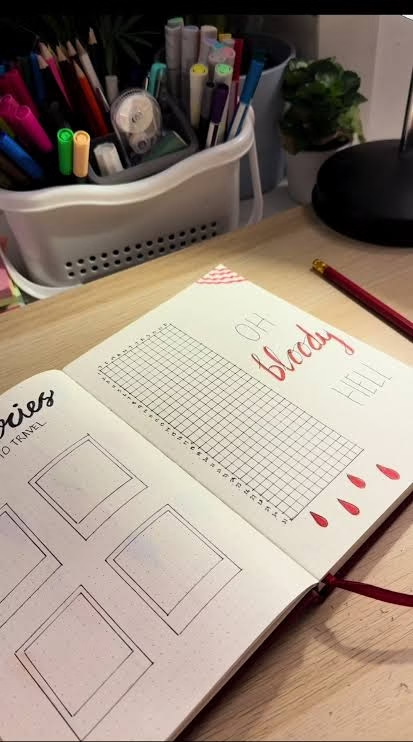
Use a period-tracking app designed for irregular cycles. Note symptoms too, like cramping, mood changes, or spotting.
This data helps you and your doctor spot patterns over time. It also shows you whether your changes are actually working.
Common Triggers That Worsen Irregular Cycles
Certain habits can make PCOS symptoms worse without you realizing it. Spotting these early helps your regulation efforts work better.
- Skipping meals or extreme calorie restriction
- Overtraining without enough recovery time
- Chronic lack of sleep over long periods
- High, unmanaged stress levels for weeks at a time
- Sudden, drastic diet changes instead of gradual ones
Avoiding these triggers won’t fix everything alone. But it removes obstacles that work against your other efforts.
Natural Ways to Regulate Periods With PCOS
Let’s get into the practical stuff. These strategies target the root causes behind irregular cycles.
-
Focus on Blood Sugar Balance
Insulin resistance plays a huge role in PCOS. Balancing blood sugar often helps regulate your cycle naturally.
- Eat protein with every meal, not just carbs alone
- Choose whole grains over refined ones
- Avoid sugary drinks and snacks when possible
- Don’t skip meals, since this can spike blood sugar later
Foods that may worsen blood sugar spikes:
- White bread, pastries, and refined baked goods
- Sugary sodas and sweetened coffee drinks
- Fried and heavily processed snack foods
- Candy and desserts high in refined sugar
Small, consistent choices matter more than occasional perfect days. Aim for progress, not perfection here.
-
Manage Your Weight, If Needed
Weight isn’t the whole story, but it matters for many women with PCOS. Losing even a small percentage of body weight can help.
This isn’t about achieving an “ideal” body size. It’s about reducing excess insulin and androgen levels in your system.
Even women at a moderate weight can see benefits from small metabolic improvements. Focus on what your body needs, not a number on a scale.
Talk to a doctor or dietitian about a realistic, sustainable plan. Crash diets usually backfire and worsen hormone balance.
-
Move Your Body Regularly
Exercise improves insulin sensitivity, even without dramatic weight loss. This directly supports more regular ovulation.
Aim for a mix of options:
- Strength training two to three times a week
- Walking or light cardio most days
- Yoga or stretching for stress relief
- Any movement you actually enjoy and can stick with
Consistency beats intensity. A daily 20-minute walk often helps more than occasional intense workouts.
Avoid overtraining, though. Too much intense exercise without recovery can actually raise stress hormones and worsen symptoms.
-
Prioritize Sleep
Poor sleep worsens insulin resistance and stress hormones. Both directly affect your cycle regularity.
Aim for seven to nine hours most nights. Try keeping a consistent sleep and wake time, even on weekends.
Limit screens before bed if you can. Small sleep improvements often show up in cycle changes within a few months.
-
Manage Stress Levels
Chronic stress raises cortisol, which can disrupt your reproductive hormones. This makes irregular cycles even more unpredictable.
- Try short daily relaxation practices, like deep breathing
- Consider journaling to process stressful thoughts
- Schedule regular breaks, even short ones, during busy days
- Reach out for support when stress feels overwhelming
Stress management isn’t a luxury here. It’s a real part of hormone regulation.
-
Consider Specific Supplements
Some supplements show promise for PCOS symptom management. Always check with your doctor before starting anything new.
Commonly discussed options include:
- Inositol, which may support insulin sensitivity
- Vitamin D, especially if you’re deficient
- Omega-3 fatty acids for inflammation support
- Magnesium for overall hormone balance
Supplements work best alongside diet and lifestyle changes. They’re not a replacement for the basics.
Give any supplement at least two to three months before judging results. Hormonal changes take time to show up consistently.
How Long Does Natural Regulation Take?
Patience matters here. Hormonal changes don’t happen overnight, even with consistent effort.
Many women notice initial changes within three months. Full cycle regulation can take six months to a year in some cases.
Track your progress monthly instead of daily. Small shifts, like slightly shorter gaps between periods, count as real progress.
Signs Your Efforts Are Working
Progress doesn’t always look like a perfectly regular cycle right away. Watch for these smaller signs first.
- Shorter gaps between missed periods
- More predictable symptoms before your period
- Improved energy levels throughout the month
- Clearer skin or reduced acne over time
- Better sleep quality most nights
Celebrate these smaller wins. They usually show up before your cycle becomes fully regular.
When to See a Doctor
Natural methods help many women, but they’re not a cure-all for everyone. See a doctor if:
- You haven’t had a period in three months or longer
- Your bleeding is unusually heavy or painful
- You’re trying to conceive without success
- Lifestyle changes haven’t helped after six months
A doctor can check hormone levels and rule out other conditions. They can also discuss medication options if needed.
Medical Options That Support Natural Regulation
Sometimes lifestyle changes need extra support. This doesn’t mean starting over, just adding more tools.
- Birth control pills to regulate cycles temporarily
- Metformin for insulin resistance management
- Anti-androgen medication for related symptoms
- Regular monitoring to track hormone changes over time
These options often work well alongside the natural strategies above. Your doctor can help you figure out the right combination.
Combining Natural and Medical Approaches
Many women assume it’s an either-or choice. In reality, combining both often works better than either alone.
For example, birth control pills regulate bleeding while you work on insulin sensitivity through diet. Once you stop the pill, your improved lifestyle habits support more natural regularity.
This combined approach isn’t a shortcut or a failure. It’s simply using every tool available to support your body.
Common Myths About PCOS and Periods
Misinformation makes this journey harder than it needs to be. Let’s clear up a few common myths.
- Myth: You need a “perfect” diet to see results. Consistent, small changes work better than extreme diets.
- Myth: Only weight loss can fix irregular periods. Many normal-weight women have PCOS too, and still see improvement with other changes.
- Myth: Irregular periods aren’t a big deal. Left unmanaged, they can affect long-term health, so they’re worth addressing.
- Myth: Supplements alone will fix everything. They support, but don’t replace, core lifestyle changes.
Understanding what’s actually true helps you focus your energy where it matters most. Reliable information saves you time and unnecessary worry.
Final Thoughts
Regulating your periods with PCOS takes time, patience, and consistency. Small, sustainable changes usually beat drastic ones.
Track your progress, be kind to yourself, and loop in a doctor when needed. Your body responds well to steady, realistic effort over time.
Every woman’s PCOS journey looks a little different. What works for someone else might need adjusting for you, and that’s completely normal.
FAQs
-
Can PCOS periods become regular naturally?
Yes, many women see improvement through diet, exercise, and stress management within a few months.
-
How long does it take to regulate periods with PCOS?
It varies. Some notice changes in three months, others need six months to a year.
-
Does weight loss always help regulate PCOS periods?
It often helps, but not everyone with PCOS is over-weight. Other lifestyle factors matter too.
-
What foods help regulate periods with PCOS?
Whole grains, lean protein, and fiber-rich foods help balance blood sugar and support hormone regulation.
-
When should I see a doctor about irregular periods?
See a doctor if you miss periods for three months or more, or if lifestyle changes aren’t helping.