Categories
Wellness

How to Support a Loved One with Bipolar Disorder

Loving someone with bipolar disorder is both a commitment and a journey. It’s not always easy to understand what they’re going through — especially during a manic episode or depressive swing — but your support can make a powerful difference.

From identifying the early signs of bipolar to encouraging professional bipolar treatment, here’s how to stand by your loved one with strength, compassion, and informed care.

Understand the Disorder First

Before you can offer support, it’s important to understand bipolar disorder. It’s a mental health condition that causes extreme mood swings — including emotional highs (mania or hypomania) and lows (depression).

Types of Bipolar Disorder:

  • Bipolar I: Characterized by intense manic episodes that may require hospitalization.
  • Bipolar II: Includes hypomanic episodes and major depression but no full mania.
  • Cyclothymic disorder: Milder, with frequent mood fluctuations over two years.

Recognizing the Early Signs of Bipolar

You might wonder, “Is my loved one struggling? I think they have bipolar disorder.” Knowing what to look for helps.

Common Early Symptoms:

  • Drastic mood changes (high energy one day, extreme fatigue the next)
  • Irritability, agitation, or unusual excitement
  • Risk-taking behaviors during bipolar mania symptoms
  • Withdrawn, hopeless, or excessively sad moods
  • Sleep changes — sleeping too little or too much

How to Offer Real Support

Being present, not perfect, is key. Here’s how to offer genuine help:

  1. Start the Conversation — Gently

Avoid judgment. Use “I” statements like:

“I’ve noticed you’ve been feeling very up and down lately. I care about you — how can I help?”

  1. Encourage Professional Help

Support them in finding the right bipolar treatment:

  • Psychiatrists for diagnosis and medication
  • Therapists for cognitive-behavioral therapy (CBT)
  • Support groups for shared healing

Offer to help research, make calls, or attend appointments if they’re comfortable.

  1. Be Prepared for Manic Episodes

During a manic episode, your loved one might feel euphoric, impulsive, or irritable.

What You Can Do:

  • Stay calm and avoid confrontation
  • Gently redirect unsafe behavior
  • Help manage overstimulation (quiet environments help)
  • Avoid arguing about their state of mind — focus on safety
  1. Support Medication & Routine

Bipolar disorder often requires long-term medication. Help by:

  • Encouraging medication adherence
  • Creating a calm, consistent routine
  • Minimizing triggers like sleep deprivation or alcohol
  1. Be Patient During Depressive Episodes

When your loved one becomes withdrawn or hopeless:

  • Offer simple, consistent presence (sit with them, check in)
  • Encourage small actions (a walk, eating something)
  • Avoid toxic positivity — validate their emotions gently
  1. Take Care of Yourself Too

Supporting someone with bipolar disorder can be emotionally exhausting. To avoid burnout:

  • Set healthy boundaries
  • Seek your own therapy or support groups
  • Take time to recharge — you matter too

Words Matter: What to Say (and Not Say)

Supportive:

  • “I’m here for you.”
  • “You’re not alone in this.”
  • “Let’s find help together.”

Avoid:

  • “Just snap out of it.”
  • “It’s all in your head.”
  • “You’re being dramatic.”

Healing Is Possible — Together

While there’s no quick fix for bipolar disorder, early intervention and steady support can make all the difference. You don’t need to have all the answers. Just showing up — consistently and compassionately — is the most powerful thing you can do.

Final Thoughts

If you’ve ever said “I think I have bipolar disorder” or noticed a loved one struggling, don’t ignore it. Watch for signs, learn about the condition, and help them connect to care. With love, structure, and understanding, healing is possible.

Categories
Health

10 Effective Home Remedies for Clogged Ears: How to Get Relief Naturally

Ever said, “My ears feel clogged and I can’t hear properly”? You’re not alone. Whether it’s caused by earwax, fluid, allergies, or even altitude changes, that blocked sensation can be frustrating and uncomfortable.

If your ear feels stuffed up or you’ve had your ear clogged for days, don’t panic. Many cases can be treated at home using safe and natural methods — no doctor visit required.

Let’s explore the best home remedies for clogged ears and how to use them effectively.

  1. Warm Compress

A simple warm towel or compress can help relieve pressure and soften any hardened wax.
How to Use:
Soak a clean cloth in warm water, wring it out, and place it over the affected ear for 5–10 minutes. Repeat 2–3 times a day.

  1. Steam Inhalation

If the clog is due to sinus congestion, steam is your best friend.
How to Use:
Boil water, pour it into a bowl, and inhale the steam with a towel over your head. Breathe deeply for 10 minutes. Add eucalyptus oil for an extra soothing effect.

  1. Valsalva Maneuver (Pop Your Ears)

This technique helps equalize pressure inside the ear.
How to Do It:
Close your mouth, pinch your nose, and gently blow out. This may produce a “pop” sensation and relieve pressure. Do not blow too forcefully!

  1. Olive Oil Drops

If your ear is clogged due to wax buildup, warm olive oil can soften it.
How to Use:
Warm a few drops of olive oil (not hot!) and drop them into your ear with your head tilted. Stay still for a few minutes, then drain.

  1. Gravity Drainage

A classic trick if you have a water clogged ear after swimming or showering.
How to Do It:
Lie on your side with the clogged ear facing down. Gentle gravity may help the fluid drain out naturally.

  1. Hydrogen Peroxide (3%)

Used cautiously, hydrogen peroxide can break down excess earwax.
How to Use:
Mix equal parts of hydrogen peroxide and warm water. Tilt your head and drop in 2–3 drops. Let it bubble for a few minutes, then drain.

Note: Avoid this method if you have a perforated eardrum or ear infections.

  1. Stay Hydrated

Dehydration can worsen sinus pressure and congestion. Drinking enough water helps thin mucus and may indirectly relieve ear blockage.

  1. Chewing or Yawning

This works especially well for airplane ear or altitude changes.
How It Works:
Chewing gum or yawning helps open the Eustachian tube, equalizing the pressure in your ears.

  1. Nasal Decongestants

Sometimes, the issue isn’t in your ears but your sinuses.
Try This:
Use a saline spray or gentle over-the-counter nasal decongestant (briefly) to relieve sinus pressure that may be backing up into your ears.

  1. Avoid Cotton Swabs

It might be tempting to use a cotton swab when your ear feels clogged, but this often pushes wax deeper and makes things worse. Stick to safe, natural remedies instead.

When to See a Doctor

While most ear congestion clears on its own, seek medical attention if:

  • Your ear remains clogged for more than a week
  • You experience pain, discharge, or hearing loss
  • You feel dizzy or unbalanced

Persistent symptoms could signal infection or something more serious.

Final Thoughts

Clogged ears are annoying — but often fixable. Whether it’s wax, fluid, pressure, or allergies, these home remedies for clogged ears can help restore comfort and clarity. So next time you think “my ear is clogged”, reach for a warm towel, steam, or olive oil — and skip the risky ear swabs!

Your ears will thank you.

Categories
Health

Oral Hygiene Matters: The Simple Habits That Protect Your Smile and Health

When we talk about health, we often think of the heart, the gut, or even the skin — but oral hygiene plays just as vital a role in your overall wellbeing.

Your mouth is a gateway to the rest of your body. Poor oral health and hygiene can lead to more than cavities and bad breath — it can contribute to serious conditions like heart disease, diabetes, and respiratory infections.

The good news? With simple, daily habits and the right dental care, you can keep your smile bright and your body protected.

Why Oral Hygiene Matters

Your mouth hosts billions of bacteria. Most are harmless, but when oral hygiene is neglected, harmful bacteria can thrive, leading to:

But it doesn’t stop there. Research shows that oral disease is connected to systemic health problems, including:

  • Heart disease
  • Stroke
  • Diabetes
  • Premature birth (in pregnant individuals)

Taking care of your teeth and gums isn’t just about aesthetics — it’s about overall health.

Signs of Poor Oral Health

Be on the lookout for these common symptoms:

  • Bleeding gums when brushing or flossing
  • Chronic bad breath
  • Loose or sensitive teeth
  • Red, swollen, or receding gums
  • Frequent cavities or dental infections

These are not just inconveniences — they could be early signs of oral disease that needs attention.

Building a Healthy Dental Routine

Here are some practical steps to support your oral health and hygiene every day:

  1. Brush Twice Daily (The Right Way)
  • Use fluoride toothpaste
  • Brush for at least 2 minutes each time
  • Hold your brush at a 45-degree angle to your gums
  1. Floss Daily

Brushing alone doesn’t clean between your teeth. Flossing removes plaque and food particles your brush can’t reach.

  1. Use Mouthwash Wisely

Antibacterial mouthwashes can help reduce bacteria and freshen breath — but don’t rely on them to replace brushing and flossing.

  1. Replace Your Toothbrush Regularly

Swap out your toothbrush or brush head every 3 months, or sooner if the bristles are frayed.

  1. Stay Hydrated

Water helps rinse away food particles and supports saliva production, which is your mouth’s natural defense system.

  1. Eat a Tooth-Friendly Diet

Choose:

  • Crunchy fruits and veggies (like apples and carrots)
  • Dairy for calcium
  • Nuts and leafy greens

Avoid:

  • Sugary snacks and drinks
  • Sticky candies
  • Frequent snacking

Don’t Skip Dental Checkups

Regular visits to your dentist — ideally every 6 months — can catch early signs of problems and help prevent future issues.

Your dentist can:

  • Check for cavities and gum disease
  • Perform professional cleanings
  • Provide fluoride treatments
  • Offer advice specific to your needs

Preventive care saves time, money, and discomfort down the road.

Oral Hygiene Isn’t Just for Adults

Kids and teens need proper dental education and care too. Start healthy habits early:

  • Teach kids to brush and floss properly
  • Use fluoride toothpaste from age 3+
  • Limit sugary snacks
  • Schedule pediatric dental visits

Final Thoughts

Oral hygiene is more than just keeping your teeth clean — it’s a foundation of total body health.

With a consistent routine, regular dental visits, and a few lifestyle changes, you can prevent oral disease, preserve a healthy dental environment, and boost your confidence along the way.

So next time you brush, remember: you’re not just cleaning your teeth — you’re caring for your whole body.

Categories
Health

Why Your Gut Health Could Be the Key to Everything: Digestion, Immunity & More

You’ve probably heard the phrase “trust your gut” — but what if that advice went beyond instinct and straight into your health?

Recent research shows that your gut health is connected to nearly every major function in your body. From digestion to immunity, skin health to mental clarity, gut health could truly be the key to everything.

Let’s explore why your gut deserves the spotlight and how you can take better care of it.

What Is Gut Health?

When we talk about gut health, we’re referring to the balance and function of the gut microbiome — the trillions of bacteria, viruses, and fungi living in your digestive tract.

A healthy gut has:

  • A diverse mix of beneficial microbes
  • Strong intestinal walls to prevent “leaky gut”
  • Good digestion and nutrient absorption
  • Minimal inflammation

When the gut microbiome is out of balance (a condition called dysbiosis), it can affect your entire body.

  1. Gut Health and Digestion

This is the most obvious link. If your gut isn’t functioning well, you might experience:

  • Bloating
  • Constipation or diarrhea
  • Gas
  • Heartburn

A thriving gut microbiome helps break down food, extract nutrients, and eliminate waste effectively. Many digestive issues are rooted in poor gut health — not just what you eat, but how your body processes it.

  1. Gut Health and Immunity

Did you know that 70% of your immune system lives in your gut?

Your gut acts as a first line of defense. A healthy gut flora supports immune responses, protects against pathogens, and reduces inflammation.

When your gut is imbalanced, your immune system may:

  • Overreact (autoimmune issues)
  • Underreact (frequent infections)

Keeping your gut healthy = keeping your immune system strong.

  1. Gut Health and Mood

This is where the gut-brain connection comes into play.

Your gut produces over 90% of serotonin, the feel-good hormone. When your gut is out of balance, your mood and mental clarity can suffer. This is why many people with anxiety or depression also experience digestive issues.

A balanced gut can:

  • Improve focus
  • Stabilize mood
  • Reduce anxiety symptoms

Think of it this way: a happy gut leads to a happier mind.

  1. Gut Health and Skin

If you’re struggling with acne, eczema, or dull skin, your gut could be the culprit.

An unhealthy gut can lead to inflammation and poor detoxification — both of which show up on your skin.

Clearing your skin often starts from within. A healthy gut reflects outward through glowing, balanced skin.

How to Improve Gut Health

The good news? You can start supporting your gut health today with a few simple changes:

Eat more fiber-rich foods

  • Whole grains, lentils, fruits, and vegetables feed your good bacteria

Add prebiotics and probiotics

  • Prebiotics = food for good bacteria (e.g. garlic, bananas)
  • Probiotics = live bacteria (e.g. yogurt, kimchi, kefir)

Stay hydrated

  • Water helps with digestion and toxin elimination

Limit processed foods and sugars

  • These feed harmful bacteria and encourage inflammation

Manage stress

  • Chronic stress impacts gut lining and gut-brain communication

Get enough sleep

  • Your gut repairs and resets overnight

Final Thoughts

Your gut isn’t just about digestion. It plays a role in your immune strength, your mental health, and even the way your skin looks.

By improving your gut health, you’re building the foundation for better energy, clarity, and overall wellbeing. So the next time your body’s trying to tell you something — maybe you really should trust your gut.

Categories
Health

Sunscreen vs Sunblock: What’s the Difference and Which One Should You Use?

Whether you’re heading to the beach or just running errands, protecting your skin from the sun is essential. But with so many products on the market, it’s easy to wonder: Sunscreen vs sunblock — what’s the difference? And more importantly, which one should you be using?

Let’s break down the science, the labels, and the skin benefits so you can make the best choice for your skincare routine.

Are Sunscreen and Sunblock the Same?

Short answer: No, they are not the same — although they’re often used interchangeably.

Feature Sunscreen Sunblock
Type of Protection Chemical (absorbs UV rays) Physical (blocks UV rays)
Texture Lightweight, absorbs into skin Thicker, sits on top of skin
Common Ingredients Avobenzone, oxybenzone, octinoxate Zinc oxide, titanium dioxide
Ideal For Daily use, normal/oily skin Sensitive skin, outdoor sports

How They Work

  • Sunscreen absorbs the sun’s harmful rays (UVA and UVB) before they can damage your skin. It’s a chemical defense that usually feels lighter and blends in more easily.
  • Sunblock acts like a physical shield, literally blocking the rays by sitting on the surface of your skin. It’s often more visible (think white cast) but great for sensitive skin and children.

The Real Difference Between Sunscreen and Sunblock

  1. How they protect: Sunscreen filters UV rays; sunblock reflects them.
  2. Skin compatibility: Sunblock is gentler and better for people with eczema or acne-prone skin.
  3. Cosmetic feel: Sunscreens tend to be more wearable under makeup; sunblocks are thicker.
  4. Duration: Both need reapplication every 2 hours, especially after swimming or sweating.

Sunscreen vs No Sunscreen

Skipping sunscreen altogether? Here’s what happens:

  • UV exposure can lead to sunburn, premature aging, hyperpigmentation, and even skin cancer.
  • Even on cloudy days, up to 80% of UV rays can reach your skin.
  • Using any form of sun protection is better than none — but understanding the difference between sunscreen and sunblock helps you choose smarter.

Difference Between UV and SPF

  • UV stands for ultraviolet rays — UVA (aging rays) and UVB (burning rays).
  • SPF stands for Sun Protection Factor — it measures how long the product protects you from UVB.

For example, SPF 30 means you can stay in the sun 30 times longer than without protection. But SPF doesn’t measure UVA protection — for that, look for broad-spectrum on the label.

Should I Use Sunblock or Sunscreen?

It depends on:

  • Skin type – Sunblock is better for sensitive skin
  • Daily use vs outdoor activity – Sunscreen is great for daily wear; sunblock is ideal for long sun exposure
  • Makeup routine – Sunscreen blends better under foundation

Dermatologist tip: You can even layer them — use a lightweight sunscreen with a dab of sunblock on high-exposure areas like your nose or cheeks.

Final Thoughts

Choosing between sunscreen vs sunblock doesn’t have to be confusing. Both serve the same purpose — protecting your skin from harmful UV rays — but they go about it differently.

Think of sunscreen as your daily lightweight defender and sunblock as your weekend warrior.

Either way, your skin will thank you for showing up with the right shield.

Categories
Health Uncategorized

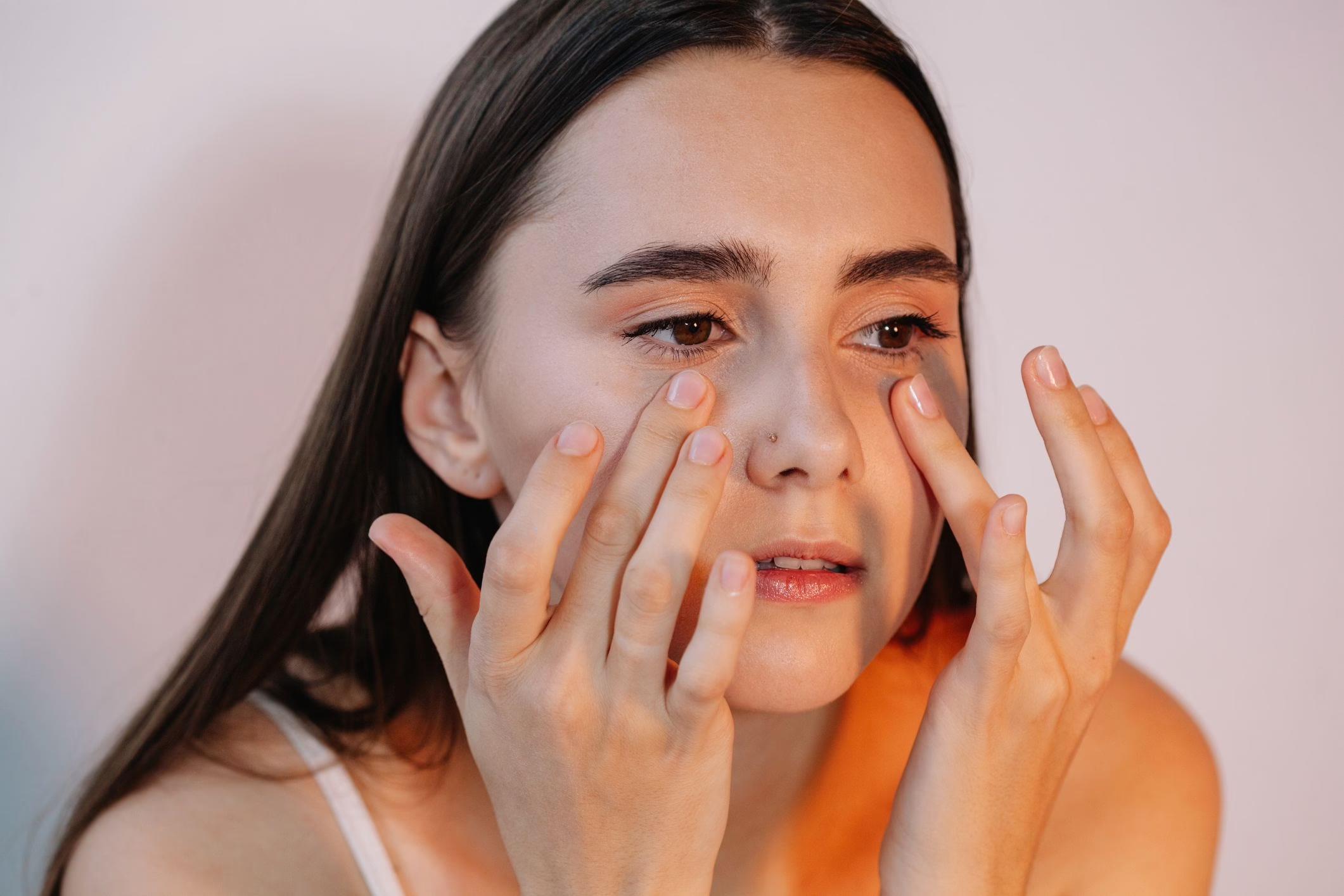
Deep Eye Bags: Causes, Remedies, and When to Worry

Tired of waking up to puffiness and saggy skin beneath your eyes? You’re not alone. Deep eye bags are a common cosmetic concern for people of all ages, and while they’re not typically harmful, they can be frustrating and impact self-esteem.

Understanding the difference between normal eye bags, heavy eye bags, and more noticeable, deep eye bags is key to figuring out the right treatment for you.

What Are Eye Bags, Exactly?

Eye bags refer to the swelling or puffiness that forms under the eyes. They are usually caused by fluid retention, weakened muscles, or fat accumulation in the lower eyelids.

  • Normal eye bags: Mild puffiness that often goes away on its own
  • Heavy eye bags: More pronounced swelling or sagging
  • Deep eye bags: Persistent puffiness, often with darker pigmentation or hollowness

Common Causes of Deep Eye Bags

Many factors contribute to deep or heavy eye bags:

  1. Lack of Sleep – Poor rest leads to fluid retention and increased puffiness
  2. Aging – Skin loses collagen and fat shifts downward, creating a baggy look
  3. Genetics – “My eye bags look like my mom’s” is more common than you think
  4. Allergies – Inflammation and rubbing the eyes worsen puffiness
  5. Poor Diet – High salt intake causes water retention around the eyes
  6. Dehydration – Skin appears sunken and less elastic

Home Remedies to Reduce Eye Bags

Before heading to a clinic, try these natural methods:

  • Cold Compress – Reduces swelling and tightens skin
  • Cucumber Slices or Tea Bags – Soothe inflammation and hydrate the skin
  • Sleep with Extra Pillow – Elevate your head to prevent fluid buildup
  • Stay Hydrated – Flush out excess salt and toxins
  • Cut Down on Salt – Prevent water retention

These can help reduce the appearance of eye bags, especially when used consistently.

Medical and Cosmetic Treatments

If your deep eye bags don’t improve with lifestyle changes, you can explore professional options:

  • Topical creams with caffeine or retinol
  • Dermal fillers to plump up hollows
  • Laser treatments to tighten skin
  • Blepharoplasty (Eyelid Surgery) for permanent results

Always consult a dermatologist or cosmetic surgeon to choose the right treatment.

When to Be Concerned

Most eye bags are harmless, but see a doctor if:

  • They’re suddenly swollen or painful
  • One side is significantly larger
  • You experience blurry vision or redness

These may indicate an infection, thyroid issue, or another medical condition.

Final Thoughts

Whether you’re dealing with heavy eye bags from a sleepless week or you’ve had deep eye bags for years, there are steps you can take to feel more confident. Don’t let them define your beauty or your day.

Consistency is key — what works may not be instant, but results come with patience.

Categories
Wellness

Emotional Wellbeing vs Mental Health: Are They the Same?

When people talk about emotional wellbeing and mental health, they often use the terms interchangeably. But while they are connected, they are not the same.

Understanding the difference can help you take better care of your inner world and recognize which areas may need more attention.

What is Emotional Wellbeing?

Emotional wellbeing is the ability to understand, manage, and express your emotions in healthy ways. It’s about how you cope with stress, how resilient you are, how you handle relationships, and how you process your feelings.

Someone with good emotional wellbeing might:

  • Recognize and name their feelings easily
  • Bounce back from setbacks
  • Maintain balanced reactions in difficult situations
  • Cultivate joy and satisfaction in daily life

Emotional wellbeing is more than just the absence of negative feelings — it’s about actively nurturing your emotional health.

What is Mental Health?

Mental health is a broader term that includes emotional, psychological, and social well-being. It affects how you think, feel, and behave.

Mental health includes:

  • Your cognitive functions (like memory and concentration)
  • Your ability to handle daily responsibilities
  • The presence or absence of mental health conditions (e.g., depression, anxiety, bipolar disorder)

While emotional wellbeing is one part of mental health, mental health also covers aspects beyond emotions.

Key Differences at a Glance

Emotional Wellbeing Mental Health
Focuses on managing emotions Covers thinking, feeling, and behavior
Built through daily habits Includes diagnosable conditions
Often improved through lifestyle May require professional treatment
More personal and emotional Broader and clinical in nature

How Are They Connected?

Emotional wellbeing and mental health are deeply linked. When your emotional wellbeing is low, it can lead to poor mental health. For example:

  • Long-term emotional stress can lead to anxiety or depression
  • Poor emotional regulation can strain relationships, increasing mental strain
  • Suppressed feelings can result in physical symptoms like fatigue or headaches

Supporting one often supports the other. That’s why practices like mindfulness, journaling, and therapy are beneficial for both.

Why It Matters to Understand the Difference

Understanding the difference empowers you to:

  • Take a more holistic approach to your self-care
  • Know when to seek support (emotional habits vs medical help)
  • Recognize early warning signs before they escalate

You can be mentally healthy and still struggle with emotional wellbeing. And vice versa — which is why both deserve attention.

How to Support Both Emotional Wellbeing and Mental Health

Here are some simple ways to nurture both:

  • Practice daily gratitude and emotional check-ins
  • Exercise and eat nourishing food
  • Stay socially connected and seek positive relationships
  • Learn stress management techniques (like breathwork or meditation)
  • Reach out to a mental health professional when needed

Final Thought

Emotional wellbeing and mental health are like two sides of the same coin. They overlap, support one another, and together, they shape how you experience life. Give both the care and respect they deserve — your inner peace depends on it.

Next in Series: Emotional Burnout: Signs You Shouldn’t Ignore

Stay tuned and follow our blog for more insights into emotional and mental wellness.

Categories
Health

Signs of Bipolar Disorder: How to Identify Bipolar 1 and 2 Symptoms Early

Bipolar disorder is more than just mood swings. It’s a complex mental health condition marked by extreme shifts in mood, energy, and behavior. Understanding the signs of bipolar early on can help with timely diagnosis, support, and effective management.

Many people wonder, “Do I have bipolar disorder?”—especially when emotions feel unpredictable or intense. If you’ve had episodes of elevated energy followed by deep lows, this article can help you recognize what’s normal and what may signal something more serious.

What Is Bipolar Disorder?

Bipolar disorder (formerly called manic-depressive illness) is a type of mood disorder characterized by alternating periods of:

  • Mania or hypomania (highs)
  • Depression (lows)

There are two main types:

  • Bipolar 1 Disorder: Involves full manic episodes that last at least 7 days or require hospitalization. Depression may follow.
  • Bipolar 2 Disorder: Involves hypomania (less intense than full mania) and more frequent depressive episodes.

Early Signs of Bipolar Disorder

Recognizing the signs of bipolar can be tricky, especially because symptoms often overlap with anxiety or depression. Here’s what to look for:

During a Manic Episode:

  • Feeling extremely “up,” energetic, or elated
  • Talking quickly, jumping between ideas
  • Decreased need for sleep (but not feeling tired)
  • Risky behaviors (spending sprees, reckless driving)
  • Feeling invincible or overly confident
  • Easily irritable or agitated

During a Depressive Episode:

  • Deep sadness or hopelessness
  • Low energy, fatigue
  • Trouble concentrating
  • Sleep disturbances (too much or too little)
  • Feeling worthless or guilty
  • Loss of interest in usual activities

Bipolar 1 Symptoms vs Bipolar 2 Symptoms

Feature Bipolar 1 Bipolar 2
Mania Full manic episodes (7+ days) Hypomania (less severe, 4+ days)
Depression May or may not occur Frequent and long-lasting
Hospitalization Often required during mania Rare
Psychosis May occur during mania Less likely

Understanding these differences can help clarify what you or a loved one may be experiencing.

Bipolar Mood Disorder vs Regular Mood Swings

It’s normal to have emotional highs and lows, but bipolar mood disorder involves extreme shifts that disrupt daily life.

  • Bipolar shifts can last days or weeks.
  • They can affect relationships, work, and safety.
  • You may not always recognize the mood changes as abnormal.

If you’re thinking, “I think I have bipolar disorder,” it’s worth tracking your moods and talking to a mental health professional.

Bipolar Side Effects (Beyond the Mood)

Bipolar disorder can also lead to:

  • Relationship strain
  • Financial trouble (during manic episodes)
  • Substance use (as self-medication)
  • Work or academic difficulties
  • Increased risk of suicide (especially during depressive phases)

These side effects can worsen without treatment, but many people manage bipolar disorder successfully with support.

What Should You Do If You Recognize These Signs?

If you see yourself in these symptoms:

  • Track your mood: Use an app or journal
  • Avoid self-diagnosis: Similar symptoms can appear in other disorders
  • Talk to a doctor or psychiatrist
  • Don’t wait for a crisis: Early intervention = better outcomes

Final Thoughts

Bipolar disorder is real, manageable, and nothing to be ashamed of. Understanding the signs of bipolar, especially bipolar 1 and bipolar 2 symptoms, can lead to early support and a more balanced life.

You’re not alone, and help is available.

Categories
Wellness

7 Habits That Improve Emotional Wellbeing

Emotional wellbeing doesn’t come from one big life change—it’s built from the small things you do each day. When you create healthy emotional habits, you develop resilience, improve your mood, and handle stress more calmly.

Here are 7 simple but powerful habits that can improve your emotional wellbeing starting today:

  1. Start Your Day with Intention

Waking up and jumping into the chaos of the day can leave you feeling overwhelmed. Instead, start your morning with 5 minutes of stillness. Whether it’s deep breathing, a short meditation, or simply planning your day ahead—this small step sets a calm tone for your entire day.

  1. Journal Your Emotions

Writing down your thoughts and feelings is one of the best ways to process emotions. You don’t need to be a writer—just spend 10 minutes a day expressing how you feel, what triggered it, and how you responded. Over time, journaling builds emotional self-awareness and reduces internal chaos.

  1. Practice Gratitude Daily

Gratitude is a powerful antidote to anxiety and negativity. Try listing three things you’re grateful for every morning or night. They don’t need to be big—a warm meal, a friend’s message, or the sound of birds can uplift your spirit.

  1. Connect with Someone You Trust

Social connection is essential for emotional balance. Make it a habit to talk to someone you trust—a friend, family member, or even a mentor. Even a short conversation can reduce stress and make you feel supported.

  1. Move Your Body

Exercise isn’t just for physical health. Movement releases endorphins, which are natural mood lifters. Whether it’s a walk, dance, yoga, or stretch—find what feels good for you and do it regularly.

  1. Set Digital Boundaries

Constant notifications, doom-scrolling, and online comparisons can drain your emotional energy. Create tech-free zones in your day—like during meals or before bed. Protect your peace by choosing how and when you engage with your devices.

  1. Reflect and Reset Before Bed

End your day with reflection. Ask yourself: “What went well today?” and “What can I improve tomorrow?” This nightly check-in grounds you and builds self-compassion. Pair it with a calming ritual like reading or light stretching.

Final Thoughts

Building emotional wellbeing isn’t about being perfect. It’s about creating small, consistent habits that nourish your inner world. Start with one or two of these practices and let them grow over time.

Every habit you build is a step toward a calmer, more resilient you.

Next in Series: Emotional Wellbeing vs Mental Health: Are They the Same?

Subscribe for more mind-body wellness posts from our Emotional Wellbeing series!

Categories
Wellness

Emotional Wellbeing: What It Really Means and Why It Matters

What Is Emotional Wellbeing?

Emotional wellbeing is more than just feeling happy. It refers to your ability to understand, manage, and express your emotions in healthy ways, even during life’s challenges. When you’re emotionally well, you’re better equipped to handle stress, build relationships, make decisions, and recover from setbacks.

Unlike mental illness, which is a diagnosed condition, emotional wellbeing is a positive, ongoing state that anyone can strengthen—no matter your age, gender, or background.

Why Emotional Wellbeing Matters

Your emotional state doesn’t just affect your thoughts and feelings—it also influences your physical health, relationships, work performance, and overall quality of life.

Here’s why emotional wellbeing is essential:

  • Reduces stress and anxiety
  • Improves relationships and communication
  • Enhances mental clarity and decision-making
  • Boosts immunity and physical health
  • Increases life satisfaction and happiness

In today’s fast-paced world, where burnout, social pressure, and emotional overload are common, prioritizing emotional wellbeing has never been more important.

Key Elements of Emotional Wellbeing

Think of emotional resilience as a tree with many strong roots. The healthier the roots, the more resilient the tree.

Here are the core elements that support emotional wellbeing:

  1. Self-awareness – Recognizing your emotions and triggers
  2. Emotional regulation – Managing how you react to feelings
  3. Mindfulness – Staying present and grounded
  4. Resilience – Bouncing back after tough situations
  5. Healthy relationships – Surrounding yourself with support
  6. Purpose – Having goals, values, or spiritual beliefs that guide you

Emotional Wellbeing vs Mental Health: What’s the Difference?

Many people use these terms interchangeably, but they’re not the same.

Emotional Wellbeing Mental Health
Day-to-day ability to manage emotions Overall mental function (emotions, thoughts, behaviors)
Can be improved through daily habits May require therapy or medication if imbalanced
Everyone has emotional wellbeing Not everyone has mental illness

➡️ You can be mentally healthy but emotionally struggling—or vice versa.

How to Start Improving Your Emotional Wellbeing Today

You don’t need a big life change. Even small daily habits can lead to lasting emotional balance.

Try these beginner-friendly steps:

  • Journal your emotions daily – Helps you understand and release them
  • Practice 5–10 minutes of mindfulness – Use breathing apps or YouTube
  • Limit screen time – Especially social media comparisons
  • Open up to someone – A friend, journal, or counselor
  • Take care of your body – Hydration, movement, and sleep are key
  • Set small goals – Even completing one thing builds emotional strength

Emotional Wellbeing Around the World

Emotional balance isn’t defined the same way across cultures. In countries like Germany and the UK, there’s more openness to therapy and mental health check-ins. In India and China, emotional health is deeply influenced by family, tradition, and societal expectations.

But across borders, the need for balance, peace, and connection is universal.

One Gentle Recommendation

If you’re looking to support your emotional health in a structured way, the app Calm offers guided meditations, breathing exercises, and mood trackers.

You can try Calm free for 7 days – it’s a lovely way to build emotional strength through just 5 minutes a day.

(No affiliation—just a personal suggestion!)

Final Thoughts

Emotional wellbeing isn’t about being positive all the time. It’s about acknowledging your emotions, accepting them, and learning how to navigate them gracefully.

When you invest in your emotional wellbeing, you’re not just avoiding burnout or breakdown—you’re building a more grounded, joyful, and resilient version of yourself.

Up Next in This Series:

Coming Soon: “7 Habits That Improve Emotional Wellbeing Every Day”
Subscribe to stay updated!

Exit mobile version