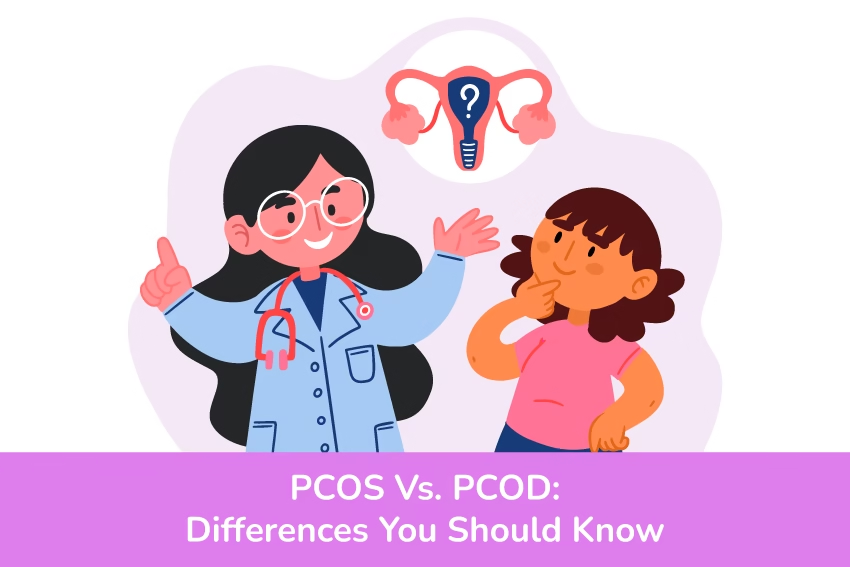
You searched for PCOD, and now you’re seeing PCOS everywhere too. Are they the same thing? Different conditions? Something in between?
This confusion is common, even among women who have been diagnosed. Doctors sometimes use the terms loosely, and that adds to the mix-up. This guide breaks down exactly where these two conditions overlap and where they differ.
For a deeper look at PCOS itself, including symptoms, causes, and treatment, check out our complete PCOS guide. This post focuses purely on how PCOS and PCOD compare.
What Is PCOD?
PCOD stands for Polycystic Ovarian Disease. It happens when the ovaries release immature or partially mature eggs. Over time, these eggs can turn into cysts within the ovaries.
PCOD is considered a common condition among women of reproductive age. It’s often linked to lifestyle factors like poor diet, stress, and lack of physical activity.
The good news is PCOD tends to be milder. Many women manage it well through diet changes and regular exercise, without needing long-term medication.
What Is PCOS?
PCOS stands for Polycystic Ovary Syndrome. It’s a broader hormonal and metabolic disorder, not just an ovarian issue.
With PCOS, the ovaries produce excess androgens (male hormones). This disrupts ovulation and creates a wider range of symptoms throughout the body, not just in the reproductive system.
PCOS is classified as an endocrine disorder. It affects insulin regulation, metabolism, and even mental health. It generally requires more comprehensive, long-term management than PCOD.
Key Differences Between PCOD and PCOS
Here’s a quick side-by-side breakdown to make the distinction clearer:
- Nature of the condition: PCOD is a condition; PCOS is a syndrome with wider effects
- Severity: PCOD is generally milder; PCOS tends to be more serious
- Hormone levels: PCOD involves mild hormonal shifts; PCOS involves significant androgen excess
- Ovulation: PCOD may still allow some ovulation; PCOS often disrupts it more consistently
- Fertility impact: PCOD rarely causes major fertility issues; PCOS is a leading cause of infertility
- Metabolic impact: PCOD has limited metabolic effects; PCOS often involves insulin resistance
- Treatment approach: PCOD often responds to lifestyle changes alone; PCOS frequently needs medical treatment too
These differences matter because they shape how each condition should be managed.
Symptoms of PCOD
PCOD symptoms tend to be noticeable but usually less severe. Common signs include:
- Irregular periods
- Mild weight gain
- Occasional pelvic discomfort
- Slight acne or oily skin
- Mood fluctuations tied to the menstrual cycle
Many women with PCOD experience only a few of these symptoms. Some barely notice symptoms at all until a routine scan reveals it.
Symptoms of PCOS
PCOS symptoms tend to be more widespread and persistent. Common signs include:
- Irregular or absent periods
- Excess facial or body hair (hirsutism)
- Significant acne, especially along the jawline
- Hair thinning on the scalp
- Difficulty losing weight despite effort
- Dark patches of skin, often on the neck
- Fatigue and low energy
- Anxiety or low mood
If you’re noticing several of these symptoms together, PCOS becomes more likely than PCOD. A doctor’s evaluation confirms which condition fits your case.
What Causes Each Condition
The root causes of PCOD and PCOS overlap somewhat, but they aren’t identical.
Causes of PCOD
PCOD is largely influenced by lifestyle and environmental factors. Poor diet, high stress, and low physical activity all play a role. Genetics can contribute too, but lifestyle tends to be the bigger driver.
Causes of PCOS
PCOS has a stronger genetic and hormonal foundation. Insulin resistance, chronic inflammation, and adrenal dysfunction all factor in. Family history increases risk significantly.
Lifestyle still matters with PCOS, but it usually isn’t the sole cause. This is part of why PCOS often needs a more layered treatment approach than PCOD.
For a deeper explanation of what drives PCOS, see our guide on root causes of PCOS hormonal imbalance.
How Doctors Diagnose Each One
Diagnosis differs slightly between the two conditions, though both typically start with a doctor’s visit.
Diagnosing PCOD
Doctors typically use a pelvic ultrasound to check for cysts. Blood tests may check hormone levels, but they aren’t always necessary for a PCOD diagnosis.
Diagnosing PCOS
PCOS diagnosis follows the Rotterdam Criteria. Doctors look for at least two of these three signs:
- Irregular or absent ovulation
- Signs of high androgens, like acne or excess hair
- Polycystic ovaries visible on ultrasound
This means a PCOS diagnosis often requires more testing than a PCOD diagnosis. Blood work, hormone panels, and sometimes additional scans are common.
Is PCOD Worse Than PCOS?
This question comes up often, and the honest answer might surprise you. In most cases, PCOS is actually the more serious condition, not PCOD.
PCOD typically resolves or improves with basic lifestyle changes. PCOS involves deeper hormonal and metabolic disruption that often needs ongoing management.
That said, severity still varies by individual. A severe case of PCOD combined with untreated symptoms can feel just as disruptive as mild PCOS. Context always matters more than labels.
If you’re asking whether is PCOD worse than PCOS in your specific case, the answer depends on your symptoms, test results, and overall health. A doctor’s evaluation gives you a clearer, more personal answer than any general comparison can.
Fertility Impact Compared
Fertility concerns often bring women to research these terms in the first place.
PCOD rarely causes serious fertility problems. Many women with PCOD conceive without much difficulty, sometimes without any medical support at all.
PCOS is different. It’s one of the leading causes of anovulatory infertility, meaning infertility caused by irregular ovulation. Still, most women with PCOS do eventually conceive, often with lifestyle changes or fertility treatment.
If fertility is a current concern, working with a doctor early makes a real difference either way.
Long-Term Health Risks Compared
The long-term outlook differs quite a bit between the two conditions.
PCOD generally carries fewer long-term health risks. Most women manage it successfully without lasting complications.
PCOS carries more significant long-term risks, including:
- Type 2 diabetes
- Cardiovascular disease
- Endometrial health issues
- Metabolic syndrome
- Sleep apnea
This doesn’t mean PCOS guarantees these outcomes. It means proactive management matters more with PCOS than with PCOD.
Can You Have Both PCOD and PCOS?
This is a common point of confusion. Technically, PCOS often includes the ovarian changes associated with PCOD. So you can have PCOD-type cysts alongside the broader PCOS hormonal profile.
However, you can also have PCOD without meeting the criteria for PCOS. In that case, your ovaries show cysts, but your hormone levels and ovulation pattern stay relatively normal.
A doctor’s evaluation is the only reliable way to know exactly where you fall.
Which Condition Is More Common?
PCOD tends to be reported more frequently, partly because it’s often diagnosed through routine scans. PCOS estimates vary, but research suggests it affects roughly 8 to 13% of women of reproductive age worldwide.
Many cases of PCOS go undiagnosed for years. Symptoms often get dismissed as stress, weight issues, or normal cycle variation, delaying proper diagnosis and treatment.
How to Know Which One You Have
If you’re unsure which condition applies to you, these steps can help clarify things:
- Track your cycle length and regularity for a few months
- Note any skin, hair, or weight changes you’ve noticed
- Ask your doctor for a pelvic ultrasound
- Request hormone bloodwork, including androgens and insulin
- Discuss your family history of PCOD or PCOS
Bringing this information to your appointment helps your doctor reach an accurate diagnosis faster.
Managing PCOD Naturally
Since PCOD tends to respond well to lifestyle changes, small daily habits often make a big difference.
- Eat balanced meals with protein, fiber, and healthy fats
- Move your body regularly, even with light exercise
- Prioritize consistent, quality sleep
- Manage stress through simple daily practices
- Limit processed foods and added sugar
Many women see improvement within a few months of consistent changes.
Managing PCOS Effectively
PCOS often needs a more layered approach, combining lifestyle changes with medical support when needed.
- Focus on blood sugar stability through balanced meals
- Incorporate strength training alongside moderate cardio
- Work with a doctor on hormone testing and treatment options
- Address stress, especially if adrenal function is involved
- Consider supplements like myo-inositol, with medical guidance
Our guide on natural ways to balance hormones with PCOS covers this in much more depth.
Cost and Time Investment
Treatment for PCOD often costs less over time. Basic bloodwork, an ultrasound, and lifestyle changes usually cover most of what’s needed.
PCOS management can involve more ongoing costs. Regular hormone testing, specialist visits, and sometimes medication add up over months or years.
Neither condition needs to feel financially overwhelming. Many effective changes, like diet and exercise, cost little to nothing to start.
Common Myths About PCOD and PCOS
Misinformation around these conditions spreads fast, especially online. Clearing up a few myths helps you make better decisions.
Myth: PCOD always turns into PCOS. This isn’t accurate. PCOD and PCOS can overlap, but one doesn’t automatically progress into the other over time.
Myth: You need visible cysts to be diagnosed with either condition. Not true. Many women with PCOS show no cysts on ultrasound. Diagnosis relies on multiple factors, not cysts alone.
Myth: Both conditions always cause weight gain. Weight gain is common but not universal. Lean women can have PCOD or PCOS with normal body weight.
Myth: Neither condition affects mental health. Both can affect mood and stress levels, though PCOS tends to have a stronger, more documented link to anxiety and depression.
Getting accurate information early helps you avoid unnecessary worry and focus on what actually helps.
Diet Differences Worth Noting
While both conditions benefit from healthy eating, the specific focus can differ slightly.
With PCOD, general healthy eating principles usually work well. Reducing processed food and added sugar often brings noticeable improvement within weeks.
With PCOS, diet needs to target insulin sensitivity more directly. This often means paying closer attention to carbohydrate quality and meal timing, not just overall nutrition.
Both conditions benefit from:
- Whole, minimally processed foods
- Adequate protein at each meal
- Fiber-rich vegetables and legumes
- Limiting sugary drinks and refined carbs
- Staying well hydrated throughout the day
Small, consistent dietary changes tend to outperform strict short-term diets for both conditions.
When to See a Specialist
Sometimes a general doctor isn’t enough, especially with more complex or persistent symptoms.
Consider seeing a gynecologist or endocrinologist if you notice:
- Periods that stay irregular for several months
- Severe acne, hair loss, or excess hair growth
- Ongoing struggles trying to conceive
- Signs of insulin resistance, like skin darkening
- Symptoms that don’t improve with lifestyle changes
A specialist can run more detailed testing and build a treatment plan suited to your exact hormonal profile, whether that turns out to be PCOD, PCOS, or a mix of both.
Final Thoughts
PCOD and PCOS share some overlap, but they aren’t the same condition. PCOD tends to be milder and more lifestyle-driven. PCOS is broader, more hormonal, and often needs more comprehensive care.
Understanding which one applies to you isn’t about labels. It’s about getting the right treatment and support for your specific situation, and knowing what to expect going forward.
If your symptoms feel persistent or disruptive, don’t wait to get evaluated. A proper diagnosis is the first step toward real, lasting relief, and it gives you a clear direction instead of guesswork.
Whether you’re managing PCOD, PCOS, or still figuring out which one fits, small consistent habits go a long way. Pair them with the right medical support, and you’ll be in a much stronger position to feel like yourself again.
This article is for informational purposes only and does not replace medical advice. Always consult a qualified healthcare provider for diagnosis and treatment.
FAQs
Is PCOD worse than PCOS?
Generally no. PCOS tends to be the more serious condition, involving deeper hormonal and metabolic disruption than PCOD.
Can PCOD turn into PCOS over time?
Not typically. They can overlap, but one doesn’t automatically progress into the other.
Which condition affects fertility more?
PCOS affects fertility more often than PCOD, though most women with either condition can still conceive.
Do PCOD and PCOS require different diets?
Both benefit from whole foods and less sugar. PCOS often needs a stronger focus on insulin-friendly meals.
Can I have both PCOD and PCOS at the same time?
Yes, it’s possible. PCOS often includes the ovarian changes seen in PCOD, along with broader hormonal imbalance.